

If you’re planning a camping trip in Washington, you’re in for a treat. With its stunning mountain ranges, lush forests, and crystal-clear lakes, the state offers some of the best camping experiences in the country.
But when it comes to cooking while camping, things can get a bit tricky. Whether you’re a seasoned camper or a first-timer, you’ll need to plan ahead and bring the right gear to ensure that you can cook up delicious meals while enjoying the great outdoors.
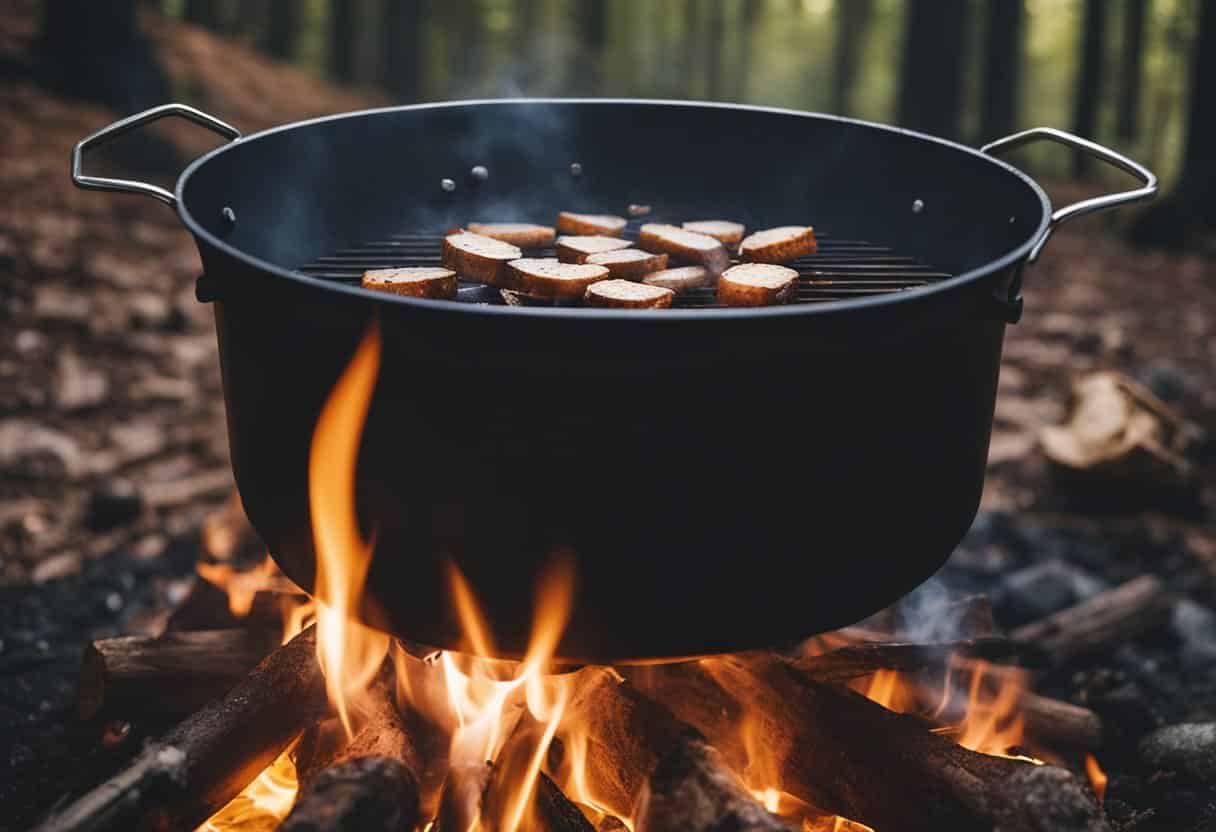
One of the first things to consider when planning your camping trip is what type of cooking equipment you’ll need. If you’re planning to cook over an open fire, you’ll need to make sure that you have a sturdy grill or grate to place over the flames.
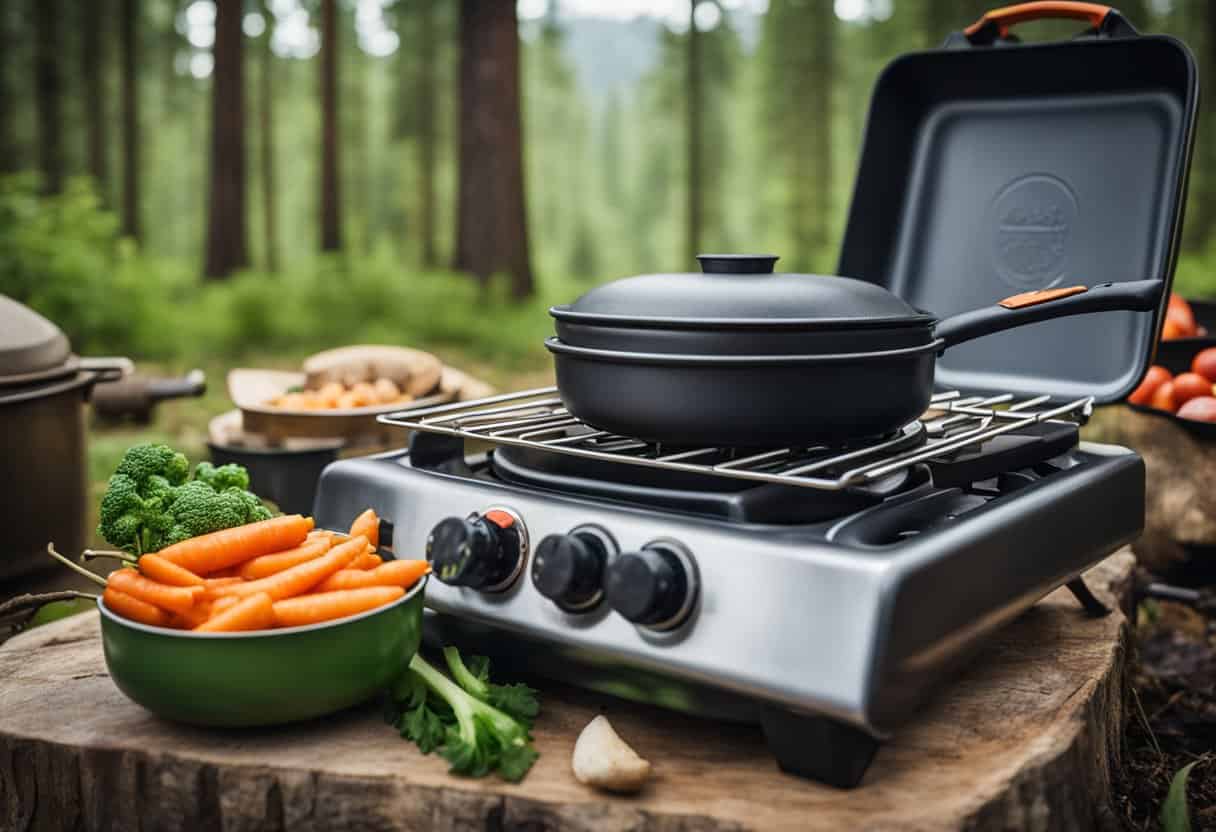
Alternatively, you may want to consider bringing a portable camp stove, which can be used to cook a variety of meals and is especially useful if you’re camping in an area where fires are prohibited.
No matter what type of cooking equipment you choose, be sure to practice using it before your trip to make sure that you’re comfortable with it and that it’s working properly.
Another important consideration when cooking while camping is food safety. It’s important to keep your food at the right temperature to prevent spoilage and foodborne illness.
Make sure to bring a cooler with plenty of ice packs to keep your perishable items cold, and use a food thermometer to ensure that your meat and other proteins are cooked to a safe temperature. With a little planning and preparation, you can enjoy delicious meals while camping in Washington State.
Table of Contents
Exploring Washington State: A Camper’s Paradise
Washington State is a popular destination for camping enthusiasts and outdoor adventurers alike. With its diverse landscapes, from rugged mountains to sandy beaches, Washington State offers a range of camping opportunities to suit all preferences and skill levels.
Washington State Parks offers a variety of camping options, including frontcountry and backcountry camping, RV camping, and group camping. To camp in a Washington State Park, you will need to purchase a Discover Pass, which allows you to park at any state park for the day or overnight. It is important to note that the Discover Pass is required for all vehicles entering state parks and must be displayed on the dashboard.
If you prefer a more rustic camping experience, dispersed camping is an option in some areas of Washington State. Dispersed camping is camping outside of designated campgrounds, and it is important to follow Leave No Trace principles and be respectful of private property.
Whether you are planning a road trip or a weekend getaway, Washington State has something to offer for all outdoor enthusiasts. REI is a great resource for camping gear and advice, and Washington State Parks offers a range of amenities, including showers, restrooms, and picnic areas.
Must-Have Gear: Cooking While Camping

When it comes to cooking while camping, having the right equipment can make all the difference. Here are some essential items to consider bringing on your next camping trip in Washington State:
Camp Stove
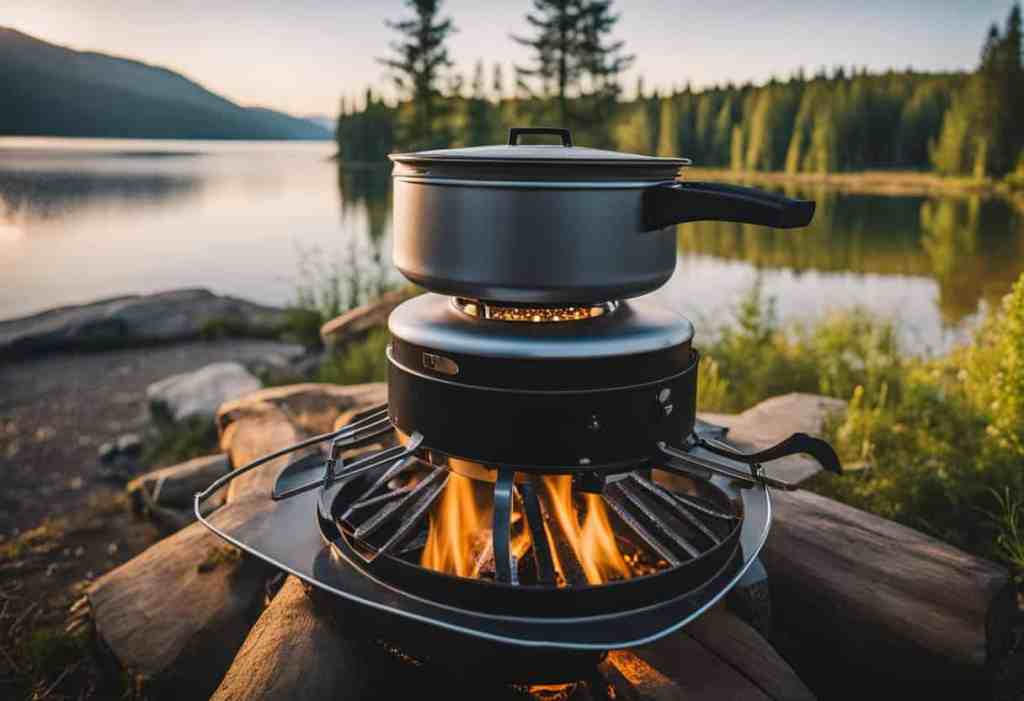
A reliable camp stove is a must-have for any camping trip. Look for a stove that is lightweight, easy to set up, and has adjustable burners for precise temperature control. Propane stoves are a popular choice for car camping, while backpackers may prefer a compact, lightweight stove that runs on fuel canisters.
Skillet
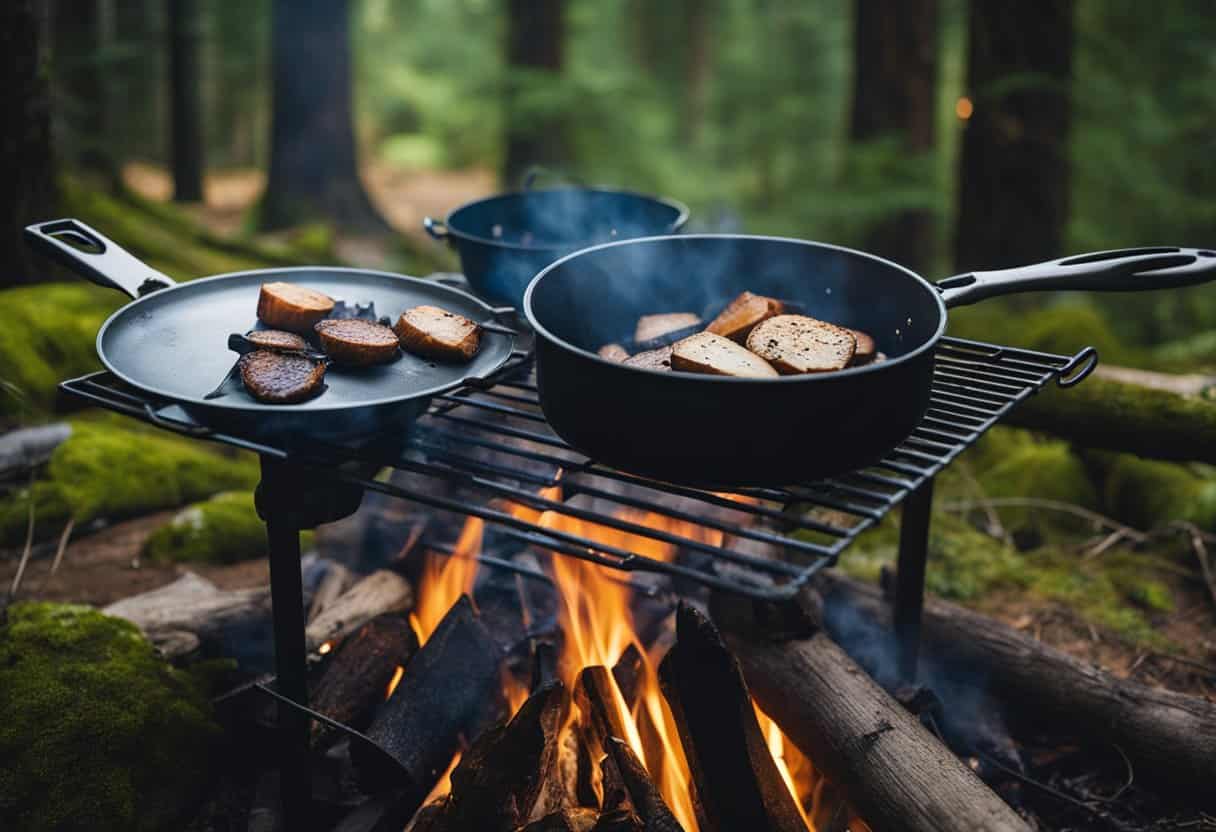
A good skillet is versatile and can be used for everything from cooking bacon and eggs to searing steak. Look for a skillet with a non-stick coating for easy cleanup, and consider investing in a cast iron skillet for its durability and even heat distribution.
Dutch Oven
A Dutch oven is a great investment for camp cooking and can be used to make everything from stews and chili to bread and desserts. Look for a Dutch oven with a tight-fitting lid and sturdy handles for easy transport.
Utensils
Make sure to bring a set of utensils for cooking and serving food. A spatula and tongs are essential for flipping and turning food, while a can opener and bottle opener will come in handy for opening cans and bottles. Don’t forget a cutting board for preparing food and a set of knives for slicing and dicing.
Charcoal and Smoking
If you plan on doing any charcoal grilling or smoking, make sure to bring the necessary equipment. Charcoal briquettes, a chimney starter, and a grill grate are all essential for charcoal grilling, while a smoker box and wood chips will come in handy for smoking meats and vegetables.
Other Essentials
Don’t forget to bring along other essential items like a dishwashing bin, dish soap, and a sponge for cleaning up after meals. A cooler with plenty of ice will keep your food and drinks cold, while a water filter or purification tablets will ensure you have safe drinking water. And, of course, don’t forget to bring plenty of butter and other cooking oils to add flavor to your meals.
Smart Tips: How to Cook While Camping
When it comes to camping, meal preparation, and cooking can be a bit of a challenge. However, with a little bit of planning and preparation, you can make delicious and satisfying meals while enjoying the great outdoors. Here are some tips to help you get started:
Plan Your Meals in Advance
Before you head out on your camping trip, take some time to plan your meals. This will help you make sure that you have all the ingredients you need and that you don’t forget anything important. Consider making a menu for each day of your trip, and make a list of all the ingredients you will need. This will help you stay organized and ensure that you have everything you need to make delicious meals.
Prepare Ingredients in Advance
To save time and make meal preparation easier, consider preparing some ingredients in advance. For example, you can chop vegetables, cook pasta or quinoa, or marinate meat before you leave home. This will help you spend less time cooking and more time enjoying the outdoors.
Use Skewers for Easy Cooking
Skewers are a great way to cook food over an open flame. You can use them to cook meat, vegetables, or even fruit. Simply thread your ingredients onto the skewers and cook them over the fire. This is a fun and easy way to cook while camping.
Pack Cheese and Fresh Fruits
Cheese and fresh fruits are great snacks to have while camping. Cheese can be stored in a cooler and is a great source of protein. Fresh fruits like apples, oranges, and bananas are easy to pack and provide a healthy source of energy.
Bring Sauces in Jars
If you want to add some flavor to your meals, consider bringing sauces in jars. This can include things like pasta sauce, salsa, or barbecue sauce. These can be stored in a cooler and can add some variety to your camping meals.
Freeze Your Sponge
After you are done cooking, you will need to clean your cookware and utensils. To make this easier, freeze your sponge before you leave home. This will help keep it fresh and prevent bacteria from growing.
Breakfast Ideas
For breakfast, consider making oatmeal, pancakes, or eggs. These are easy to make and will provide you with the energy you need for a day of hiking and exploring.
Meal Prep
Consider prepping your meals in advance. This can include things like cutting vegetables, marinating meat, or cooking pasta. This will help you save time and make meal preparation easier.
By following these tips, you can make delicious and satisfying meals while enjoying the great outdoors. Happy camping!
Camping Ethically: Respecting Nature
It is important to respect the wildlife and environment around you. Here are some tips to help you minimize your impact and keep yourself and the wildlife safe:
Observe Wildlife from a Distance
Washington is home to a diverse range of wildlife, including black bears, cougars, elk, and many more. While it can be tempting to get up close and personal with these animals, it is important to remember that they are wild and can be dangerous. Keep a safe distance and observe them from afar. Do not attempt to feed them or approach them.
Bear Country
If you are camping in bear country, it is important to take extra precautions to keep both yourself and the bears safe. This includes storing your food and garbage in bear-resistant containers or hanging them from a tree at least 10 feet off the ground and 4 feet away from the trunk. Never keep food or scented items in your tent. If you encounter a bear, make a noise and try to scare it away. Do not run, as this can trigger a chase response.
Recycling
Washington is known for its commitment to sustainability, and it is important to do your part while camping. Make sure to pack out all of your trash, including food scraps and toilet paper. Look for recycling bins at your campsite or nearby facilities and separate your recyclables from your trash. Consider bringing reusable containers and utensils to minimize waste.
By following these tips, you can help protect the wildlife and environment in Washington State while enjoying your camping trip.
Post-Cooking: Efficient Cleanup and Storage Strategies
Once you’ve finished cooking your meals, it’s important to clean up and store your cooking equipment properly. This will help prevent food contamination and keep your campsite clean.
First, make sure to dispose of any food scraps and leftovers properly. You can either pack them out with you or dispose of them in a designated trash bin. Remember to follow the Leave No Trace principles and leave your campsite cleaner than you found it.
Next, it’s time to clean your cooking equipment. Use hot water and soap to clean your pots, pans, and utensils. You can also use biodegradable soap to avoid polluting the environment. Rinse everything thoroughly and dry it with a towel or let it air dry.
If you’re camping in an area with bears or other wildlife, it’s important to store your food and cooking equipment properly. Use bear-resistant containers or hang your food in a tree at least 10 feet off the ground and 4 feet away from the trunk. This will help prevent bears from getting into your food and causing damage to your campsite.
Finally, if you need ice for your cooler, make sure to purchase it from a store or campground. Don’t use ice from a river or lake, as it may be contaminated with harmful bacteria.
Group Cooking: Making Memories Outdoors
Cooking for a camping party can be a lot of fun, but it can also be a lot of work. Here are some tips to make your outdoor party cooking experience a success:
Plan ahead: Make a list of all the food you’ll need and the equipment you’ll need to cook it. Don’t forget to bring enough fuel for your stove or fire pit.
Keep it simple: Stick to easy-to-prepare foods like hot dogs, burgers, and kebabs. You can also pre-cook some of the food at home to save time.
Use disposable plates and utensils: This will save you time and make cleanup a breeze.
Bring a cooler: Keep your food and drinks cold by bringing a cooler with plenty of ice.
Bring a portable grill or stove: If your campsite doesn’t have a fire pit or grill, bring your own.
Don’t forget the condiments: Bring ketchup, mustard, relish, and other condiments to add flavor to your food.
Bring snacks: Don’t forget to bring snacks like chips, popcorn, and trail mix to keep everyone fueled throughout the day.
Make a fire: If you’re allowed to make a fire at your campsite, use it to cook some of your food. Just make sure to follow all fire safety rules and regulations.
Get everyone involved: Assign tasks to your camping party guests to make cooking and cleanup a group effort.
By following these tips, you’ll be able to cook up a delicious outdoor party feast for your camping party without breaking a sweat.

Growing up in the Pacific Northwest, we’ve always felt at home in the outdoors. We created Evergreen Adventures PNW to share our love of hiking, camping, and exploring, and to help others discover the best adventures this region has to offer. Along with trip guides and tips, we also enjoy diving into the science behind the landscapes—thanks to a background in Environmental Science—because understanding nature makes every adventure even more meaningful.