
Selecting the right tent is essential for a comfortable and safe winter camping experience. Winter tents are designed to withstand harsh weather conditions, such as strong winds, heavy snowfall, and freezing temperatures. However, with so many options available on the market, it can be overwhelming to select the right one for your needs. In this article, we will guide you through the process of choosing a winter tent that meets your requirements.
The first factor to consider when choosing a winter tent is its ability to withstand harsh weather conditions. Look for a tent that is specifically designed for winter camping and is made with durable and waterproof materials. A double-walled tent is recommended as it provides extra insulation and protection against the elements. Additionally, check the tent’s wind resistance rating to ensure it can withstand strong gusts of wind. A tent with a high wind resistance rating will have more guy lines and stakes to secure it to the ground.
Table of Contents
Getting to Know Winter Camping Tents: A Comprehensive Guide
When it comes to winter camping, having the right gear is essential to staying warm and comfortable. A winter tent is one of the most important pieces of gear you’ll need. Here’s what you need to know about winter tents.
Defining Winter Tents
Winter tents, also known as 4-season tents or all-season tents, are designed to withstand harsh winter weather conditions, including snow, high winds, and extreme cold temperatures. These tents are typically made with heavier and more durable materials than 3-season tents, which makes them more resistant to the elements.
Difference Between 3-Season and 4-Season Tents
The main difference between 3-season and 4-season tents is their ability to withstand harsh weather conditions. 3-season tents are designed for use in mild weather conditions, such as spring, summer, and fall. They are made with lighter materials and have more mesh panels to provide better ventilation during warmer weather. On the other hand, 4-season tents are designed to withstand winter weather conditions, such as snow, high winds, and extreme cold temperatures. They are made with heavier and more durable materials and have fewer mesh panels to provide better insulation.
Single-Wall vs Double-Wall Tents
Winter tents come in two main types: single-wall and double-wall tents. Single-wall tents are made with a single layer of fabric that serves as both the tent body and rainfly. They are lighter and more compact than double-wall tents, but they are not as breathable and can be prone to condensation buildup. Double-wall tents, on the other hand, are made with two layers of fabric: an inner tent body and an outer rainfly. They provide better ventilation and are less prone to condensation buildup, but they are heavier and bulkier than single-wall tents.
Overall, when choosing a winter tent, consider the weather conditions you’ll be camping in, the number of people who will be using the tent, and your personal preferences for weight, size, and ventilation. A 4-season tent is a must for winter camping, but whether you choose a single-wall or double-wall tent depends on your needs and preferences.
Essential Features of Winter Camping Tents: What to Look For
When choosing a winter tent, there are several key features that you should consider to make sure you get the right one for your needs. In this section, we’ll discuss the most important features to keep in mind.
Size and Weight
The size and weight of your winter tent are crucial factors to consider. You want to make sure that your tent is large enough to accommodate you and your gear, but not so large that it becomes cumbersome to carry. Most winter tents are designed to sleep two to four people, but you can find larger tents if you need more space. Keep in mind that larger tents will be heavier, so you’ll need to balance your need for space with your ability to carry the tent.
Material and Weatherproofing
The material of your winter tent is also important. Look for tents made from high-quality, durable materials like polyester or nylon fabric. These materials are lightweight and strong, making them ideal for winter camping. You’ll also want to make sure that your tent is weatherproof, with features like snow flaps, a snow skirt, and a mesh panel to keep you warm and dry in even the harshest winter conditions.
Ventilation and Air Circulation
Good ventilation is essential in a winter tent. Look for tents with plenty of ventilation options, like mesh windows and vents, to help keep the air inside fresh and prevent condensation from building up. You’ll also want to make sure that your tent has good air circulation so that you don’t wake up feeling stuffy or claustrophobic.
Comfort and Additional Features
Finally, consider the comfort and additional features of your winter tent. Look for tents with interior pockets to keep your gear organized, as well as a vestibule to store wet or dirty gear. You may also want to consider a tent with a larger vestibule space so that you have more room to move around and store your gear. Other features to look for include a snow skirt to keep snow out of your tent, and comfortable sleeping pads to help you get a good night’s sleep.
Overall, choosing the right winter tent is all about finding the right balance between size, weight, material, ventilation, and comfort. By considering these key features, you can find a tent that will keep you warm, dry, and comfortable in even the most extreme winter conditions.
Choosing the Perfect Winter Camping Tent for You
When it comes to winter camping, selecting the right tent is crucial. You need a tent that can withstand extreme weather conditions and keep you warm and dry. Here are some factors to consider when choosing a winter tent:
Backpacking and Mountaineering Tents
If you’re planning on backpacking or mountaineering, you’ll want a tent that is lightweight and easy to pack. Look for a tent with a low profile and a sturdy frame. A backpacking tent should be able to withstand high winds and heavy snow loads. A mountaineering tent should also have a strong frame and be able to withstand extreme temperatures.
Affordable and Budget-Friendly Options
If you’re on a tight budget, there are still plenty of options for winter tents. Look for a tent that is made from durable materials and has a sturdy frame. You may have to sacrifice some features, such as extra space or ventilation, but you can still find a tent that will keep you warm and dry.
Tents for Extreme Conditions
If you’re an alpinist or a hunter, you’ll need a tent that can withstand the most extreme conditions. Look for a tent that is made from high-quality materials and has a strong frame. You’ll want a tent that can withstand high winds, heavy snow loads, and extreme temperatures. Look for a tent that has plenty of ventilation to prevent condensation buildup.
When selecting a winter tent, it’s important to consider your specific needs. Whether you’re backpacking, mountaineering, or facing extreme conditions, there’s a tent out there that will meet your needs and keep you warm and dry.
Expert Picks: Top Winter Camping Tents for Every Explorer
When it comes to winter camping, having the right tent can make all the difference. Here are our top recommended winter tents to keep you warm and dry in the harshest conditions.
MSR Access 2
The MSR Access 2 is a lightweight and versatile tent that can handle extreme winter weather conditions. With a unique pole geometry and a strong frame, this tent can withstand heavy snow loads and high winds. The tent has a spacious interior with plenty of headroom, and the vestibule provides extra storage space for your gear. The tent also features a breathable fabric that reduces condensation and keeps you warm and dry all night long.
Mountain Hardwear Trango 2
The Mountain Hardwear Trango 2 is a four-season tent that is designed to withstand the toughest winter conditions. The tent features a durable and waterproof flysheet that can withstand heavy snow and rain, and the tent body is made from breathable fabric that keeps you warm and dry. The tent also has a large vestibule that provides extra storage space for your gear, and the two doors make it easy to get in and out of the tent.
Whiteduck Regatta Canvas Bell Tent
The Whiteduck Regatta Canvas Bell Tent is a spacious and comfortable tent that is perfect for winter camping. The tent is made from durable canvas material that provides excellent insulation and keeps you warm and dry in cold weather. The tent also has a large door and windows that provide plenty of ventilation, and the stove jack allows you to use a wood stove to keep the tent warm and cozy.
Black Diamond Fitzroy
The Black Diamond Fitzroy is a four-season tent that is designed for mountaineering and winter camping. The tent features a strong and durable frame that can withstand high winds and heavy snow loads, and the tent body is made from breathable fabric that keeps you warm and dry. The tent also has a large vestibule that provides extra storage space for your gear, and the two doors make it easy to get in and out of the tent.
Overall, these tents are some of the best winter tents on the market and are perfect for cold-weather camping. Whether you’re planning a family camping trip or a mountaineering expedition, these tents will keep you warm and dry in the harshest winter conditions.
Maintaining Your Winter Camping Tent: Tips for Longevity and Performance
Taking care of your winter tent is crucial to ensure it lasts for many years to come. Here are some tips for maintaining your winter tent:
Clean your tent after each use. Dirt and debris can accumulate on your tent, which can cause damage to the fabric over time. Use a soft-bristled brush or sponge to gently clean your tent, and avoid using harsh chemicals or detergents that can damage the fabric.
Store your tent properly. Make sure your tent is completely dry before storing it. Store it in a cool, dry place, and avoid storing it in direct sunlight or extreme temperatures.
Inspect your tent before each use. Check your tent for any signs of wear and tear, such as holes or tears in the fabric, loose seams, or broken poles. Repair any damage before using your tent.
Waterproof your tent. Make sure your tent is properly waterproofed before using it in wet or snowy conditions. Use a waterproofing spray or seam sealer to protect your tent from moisture.
Use a ground cloth. A ground cloth can protect the bottom of your tent from rocks, sticks, and other sharp objects that can puncture the fabric.
Avoid setting up your tent in direct sunlight. UV rays can damage the fabric of your tent over time, so it’s best to set up your tent in a shaded area.
By following these care and maintenance tips, you can ensure that your winter tent stays in good condition and provides you with reliable shelter on all your outdoor adventures.
Winter Camping Tent FAQs: Expert Answers to Your Queries
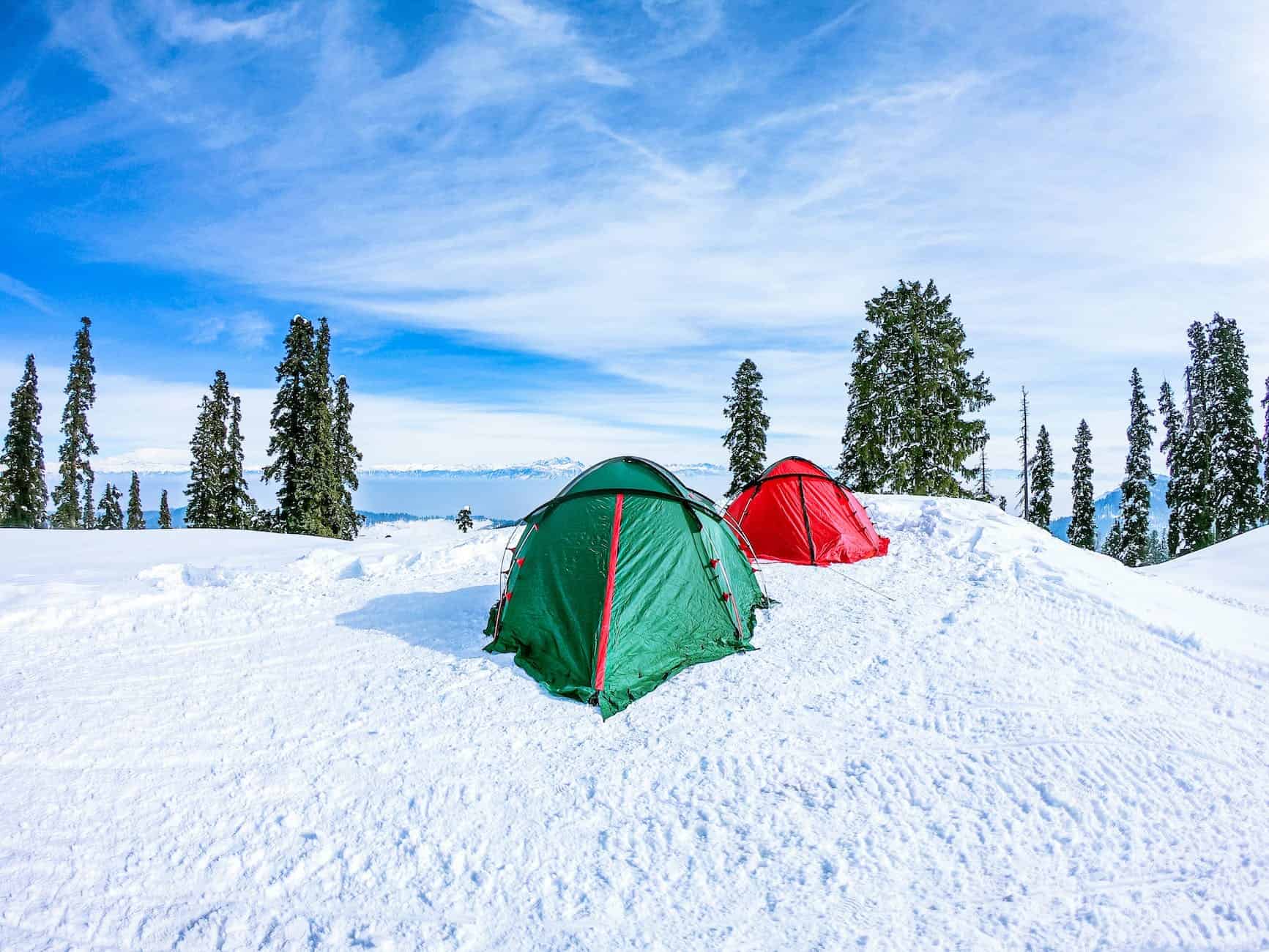
What is the difference between a 3-season and a 4-season tent?
A 3-season tent is designed for use in spring, summer, and fall. It is typically lightweight and has a lot of mesh for ventilation. A 4-season tent is designed for winter conditions and is more robust. It typically has less mesh and more solid fabric to keep out the cold wind and snow.
What should I look for in a winter tent?
When looking for a winter tent, you should look for a tent that is sturdy and able to withstand harsh winter conditions. Look for a tent that is made from high-quality materials that are waterproof and windproof. Additionally, you should look for a tent that has a good ventilation system to prevent condensation buildup.
Do I need a winter tent for extreme cold weather camping?
Yes, you need a winter tent for extreme cold weather camping. Winter tents are designed to keep you warm and dry in harsh winter conditions. They are made from high-quality materials that are designed to withstand the cold, wind, and snow.
Can I use a regular tent for winter camping?
No, you should not use a regular tent for winter camping. Regular tents are not designed to withstand the harsh winter conditions, and they will not keep you warm and dry. You need a winter tent that is designed specifically for winter camping.
What are some recommended brands for winter tents?
Some recommended brands for winter tents include MSR, Black Diamond, and Hilleberg. These brands are known for their high-quality winter tents that are designed to withstand harsh winter conditions.
How can I insulate my tent for winter camping?
There are several ways to insulate your tent for winter camping. You can use a tent footprint to provide an extra layer of insulation between your tent and the ground. You can also use a sleeping pad and a warm sleeping bag to stay warm and comfortable. Additionally, you can use a tent heater or a hot water bottle to provide extra warmth.
Growing up in the Pacific Northwest, we’ve always felt at home in the outdoors. We created Evergreen Adventures PNW to share our love of hiking, camping, and exploring, and to help others discover the best adventures this region has to offer. Along with trip guides and tips, we also enjoy diving into the science behind the landscapes—thanks to a background in Environmental Science—because understanding nature makes every adventure even more meaningful.