
Selecting the ideal sleeping bag is key to ensuring a cozy and safe camping adventure. Given the plethora of choices, making a decision can often feel daunting. However, with knowledge and research, you can find the perfect sleeping bag for your needs.
When looking at how to choose a sleeping, consider the type of camping you’ll be doing. Car campers have the luxury of choosing heavier and more spacious sleeping bags, whereas backpackers should opt for lightweight and compact alternatives. Another essential factor to consider is the temperature, which should be lower than the lowest temperature you expect to encounter. Note that women generally sleep colder than men, requiring a sleeping bag with a lower temperature rating.
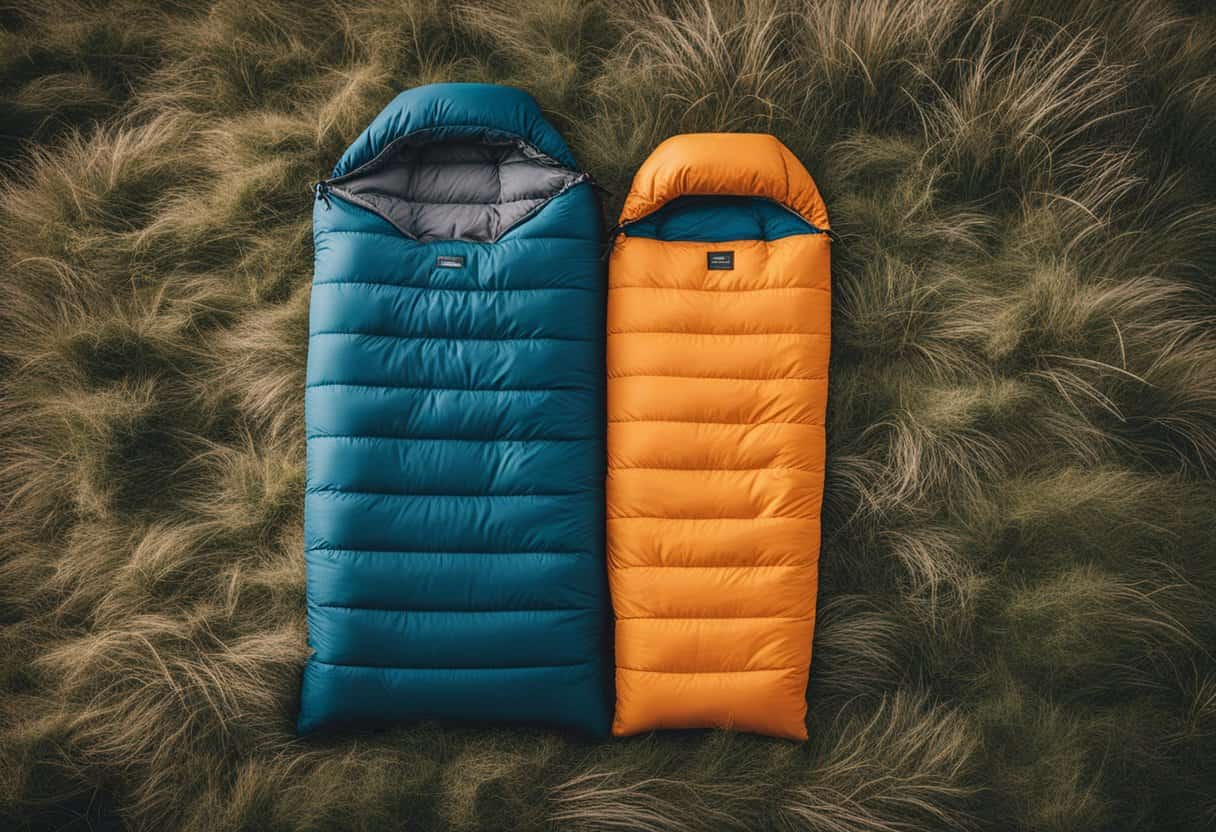
Overall, it comes down to personal choice that depends on your camping style and comfort level. Taking into account your camping style, the sleeping bag’s temperature rating, and your personal preferences, you can select a sleeping bag that promises warmth and coziness throughout the night.
Table of Contents
Understanding How to Choose a Sleeping Bag: The Basics
When choosing a sleeping bag, it helps to understand the basics. In this section, we will cover the types of sleeping bags and sleeping bag shapes to help you make an informed decision.
Sleeping Bag Shapes
Sleeping bags come in three main shapes: rectangular, mummy, and semi-rectangular. Rectangular bags are the most spacious and offer the most room to move around. They are great for car camping and general use. Mummy bags are more fitted and are designed for backpacking and cold-weather camping. They are lighter and more compact than rectangular bags but can be restrictive. Semi-rectangular bags offer a compromise between the two and are a good choice for those who want a little more room to move around but still want the warmth and compactness of a mummy bag.
When choosing a shape, consider the type of camping you will be doing, the weather conditions, and your personal preferences. If you plan to do a lot of backpacking, a mummy bag may be the best choice. If you are a side sleeper or like to move around a lot, a rectangular bag may be more comfortable.
Consider the type of camping you will be doing, the weather conditions, and your personal preferences when choosing a shape. Rectangular bags are great for car camping and general use, while mummy bags are designed for backpacking and cold-weather camping. Semi-rectangular bags offer a compromise between the two.
Choosing a Sleeping Bag: Insulation and Temperature Ratings
Choosing the right insulation type and temperature rating is crucial to staying warm and comfortable during your camping trip. Here are some things to consider:
Insulation Type
There are two main types of insulation: synthetic and down. Synthetic insulation is made from polyester fibers that are designed to mimic the insulating properties of down. It’s generally less expensive than down, dries faster, and retains its warmth even when wet. Down insulation, on the other hand, is made from the soft, fluffy undercoating of geese or ducks. It’s more expensive than synthetic, but it’s lighter, more compressible, and provides a better warmth-to-weight ratio.
Temperature Ratings
Sleeping bag temperature ratings indicate the lowest temperature at which a bag will keep you warm. The ratings are based on standardized laboratory tests, but keep in mind that they are highly subjective and can vary depending on factors such as your metabolism, sleeping pad, and clothing.
There are three main temperature ratings to consider: comfort, limit, and extreme. The comfort rating is the temperature at which a cold sleeper might feel comfortable. The limit rating is the temperature at which a warm sleeper might feel comfortable. The extreme rating is the temperature at which a bag will keep you alive, but you’ll likely be very uncomfortable.
When choosing a sleeping bag, consider the lowest temperature you expect to encounter during your trip and choose a bag with a temperature rating that is at least 10 degrees lower. This will give you a buffer in case the temperature drops unexpectedly.
In terms of insulation type, synthetic insulation is a good choice for wet conditions or those on a budget. Down insulation is a good choice for those who prioritize warmth-to-weight ratio and compressibility. Keep in mind that down insulation requires more care and maintenance than synthetic insulation.
How to Choose a Sleeping Bag: Weight and Comfort Considerations
Weight Considerations
If you’re planning on backpacking, weight is a crucial factor to consider. A heavy sleeping bag can add unnecessary weight to your pack and make your trip more difficult. However, you don’t want to sacrifice warmth and comfort for a lighter bag.
When comparing your options, pay attention to the weight and temperature rating. A lighter bag may be less warm, so make sure you choose a bag with a temperature rating appropriate for the conditions you’ll be facing. Also, consider the type of insulation used in the bag. Down insulation is lightweight and compressible, making it a popular choice for backpackers. Synthetic insulation is bulkier and heavier but can still provide warmth even when wet.
Comfort Factors
While weight is important, you also want to make sure you’re comfortable while sleeping. A sleeping bag that’s too small or too large can affect your sleep comfort. Look for a bag that’s the right size for your body and sleeping style.
The foot box is another important factor to consider. A bag with a roomy foot box can allow for more movement and ventilation, while a narrow foot box can keep you warmer but may feel restrictive. Also, consider the shape of the bag. Mummy bags are more form-fitting and can keep you warmer, but they may feel too restrictive for some people.
Finally, consider the compatibility of the sleeping bag with your sleeping pad. A good sleeping pad can provide extra comfort and insulation, but it won’t work if the bag is too narrow or doesn’t have the right attachments to secure the pad.
Sleeping Bag Selection: Additional Features to Consider
Accessories
There are a variety of accessories that can improve your camping experience. A hood is a great feature to have, as it can help keep your head and neck warm. Look for hoods that have adjustable drawstrings so you can cinch them tight on cold nights. A draft tube is another feature that can help keep cold air from seeping in through the zipper. Some also come with stash pockets, which can be useful for storing small items like your phone or flashlight.
Price and Durability
Sleeping bags can range in price from under $50 to over $500. While it may be tempting to go for the cheapest option, keep in mind that a higher price often means better quality materials and construction. Look for options that are made from durable materials like ripstop nylon or polyester, which can withstand wear and tear from camping trips. It’s also worth considering responsible down options, which use ethically sourced down to fill the sleeping bag.
Storage and Backpacking
When it comes to storage and backpacking, consider the size and weight. Look for bags that come with a stuff sack, which can compress the sleeping bag down to a smaller size for easier storage in your backpack. Some also come with a storage sack, which can be useful for keeping the sleeping bag in good condition when not in use. If you plan on backpacking, look for bags that are lightweight and pack down small.
Zipper Features
The zipper is an important feature to consider as well. Look for bags that have a two-way zipper, which can allow for better ventilation and temperature control. Some also come with a draft collar, which can help prevent cold air from seeping in through the zipper. Yoke and baffles are other features to consider, as they can help keep the insulation in place and prevent cold spots.
Sleeping Bag Liners
Liners can be a great addition to your camping gear. They can add extra warmth as well as protect it from dirt and sweat. Look for liners that are made from breathable materials like silk or cotton, which can help regulate your body temperature while you sleep.
Double Bags and Sleep Systems
If you plan on camping with a partner, consider a double sleeping bag or a sleep system. Double bags are designed to accommodate two people, while sleep systems are made up of two separate sleeping bags that can be zipped together to create a double bag. Keep in mind that double bags and sleep systems may be heavier and bulkier than single sleeping bags, so they may not be the best option for backpacking trips.
Finalizing Your Choice: How to Choose the Right Sleeping Bag
Gender and Age Considerations
One of the first things to consider when choosing a sleeping bag is your gender and age. Women’s bags are designed to fit a woman’s body shape, which is typically narrower at the shoulders and wider at the hips. Children’s sleeping bags are also available and are typically smaller in size.
Climate and Activity Considerations
Another important consideration is the climate and activity you’ll be using it in. If you’re planning a camping trip in colder weather, you’ll want to look for a winter bag with a lower warmth rating. For warmer weather, a three-season bag may be more appropriate.
The type of insulation is also important to consider. Downfill is lightweight and compressible, making it a good choice for backpacking. Synthetic fill, on the other hand, is more affordable and retains its insulating properties even when wet.
The shell fabric is another consideration, as it can affect the durability and water resistance. Cotton is a comfortable and breathable option, but it’s not as water-resistant as synthetic materials.
Finally, budget sleeping bags may not have all the features you need, but they can be a good option if you’re on a tight budget. Semi-rectangular bags are a good compromise between warmth and weight, and quilts are a lightweight option for hiking and backpacking.
Frequently Asked Questions
What factors should I consider when choosing a sleeping bag?
Consider the type of camping you will be doing, the temperature range you will be camping in, and the size and weight. Additionally, consider the shape and insulation type of the sleeping bag.
What is the difference between a down sleeping bag and a synthetic sleeping bag?
Down bags are insulated with feathers from ducks or geese, while synthetic bags are insulated with artificial or machine-made materials. Down bags are typically more compressible and lighter than synthetic, but they are more expensive and lose their insulating properties when wet. Synthetic bags are typically less expensive and retain their insulating properties when wet, but they are bulkier and heavier than down.
How do I determine the appropriate temperature rating?
The temperature rating indicates the lowest temperature at which the sleeping bag will keep you warm. Consider the lowest temperature you expect to encounter on your camping trip, and choose a sleeping bag with a temperature rating slightly lower than that temperature.
What is the ideal weight for a backpacking sleeping bag?
The ideal weight depends on the length of your trip and the type of camping you will be doing. For longer trips, consider a lightweight option that is easy to pack and carry. For colder temperatures, consider a heavier one with more insulation.
What are the top features to look for in a camping sleeping bag for adults?
Consider the shape and insulation type of the sleeping bag. Additionally, consider the temperature rating, size, and weight. Look for features such as a hood, draft collar, and draft tube to keep you warm and comfortable throughout the night.
Can a 40-degree sleeping bag keep me warm in cold weather?
A 40-degree bag is designed for warmer temperatures and may not keep you warm in cold weather. Consider a sleeping bag with a lower temperature rating for colder temperatures. Additionally, consider wearing warm clothing and using a sleeping pad to stay warm throughout the night.

Growing up in the Pacific Northwest, we’ve always felt at home in the outdoors. We created Evergreen Adventures PNW to share our love of hiking, camping, and exploring, and to help others discover the best adventures this region has to offer. Along with trip guides and tips, we also enjoy diving into the science behind the landscapes—thanks to a background in Environmental Science—because understanding nature makes every adventure even more meaningful.