
If you’re passionate about wilderness exploration, Washington State should be at the top of your list. Nestled in the Pacific Northwest, Washington boasts some of the United States’ most breathtaking wilderness areas. From the Olympic National Park to the North Cascades, you’ll find a variety of ecosystems, including lush rainforests, towering mountains, and rugged coastlines. Regardless of your hiking expertise, Washington’s wilderness welcomes all, offering something special for every adventurer.
Washington’s wilderness areas offer a variety of recreational opportunities, from hiking and climbing to fishing and kayaking. Explore the backcountry independently or opt for a guided tour. But, before you head out, make sure you’re aware of the regulations and leave no trace principles. Washington’s public lands are precious, and it’s up to all of us to preserve them for future generations. So, pack out your trash and be respectful of the wildlife and their habitat. Whether you’re in the eastern part of the state or near Seattle, you’ll find a wilderness area that will take your breath away.
Table of Contents
Exploring the Wilderness of Washington: A Pristine Experience
Washington’s wilderness areas are some of the most accessible in the nation, with 80% of them located within 100 miles of a major metropolitan area. However, despite their proximity to human populations, these areas remain largely untouched by human activity, allowing visitors to experience the natural world in its purest form.
The concept of wilderness is a human-centric one, born out of a land ethic that recognizes the importance of preserving natural areas for their own sake, rather than solely for human use. This philosophy is rooted in the belief that humans have a fundamental relationship with nature and that our survival depends on maintaining a healthy and sustainable environment.
The study of wilderness encompasses a wide range of disciplines, including the natural sciences, philosophy, and environmental studies. It also takes into account the geologic timeframe of the earth, recognizing that the changes wrought by human activity are but a blip in the grand scheme of things.
Preserving wilderness areas requires careful management techniques to balance the needs of humans and the natural world. This includes monitoring and controlling non-native species, as well as carefully managing human activity to minimize its impact on the environment. It also necessitates an understanding of place attachment—the emotional bond humans form with locations.
Ultimately, the goal of protecting wilderness areas is to create a sustainable society that can coexist with the natural world. By preserving these areas for future generations, we ensure that they, too, will have the opportunity to experience the beauty and wonder of the wilderness.
Exploring the Natural Beauty of Washington’s Wilderness
Washington’s wilderness is a boundless canvas of natural beauty that offers a unique opportunity to explore its diverse ecosystems. The state boasts a variety of protected landscapes, including rainforests, peaks, rivers, and meadows. Whether you’re an avid hiker or just looking for a scenic drive, Washington’s wilderness has something for everyone.
Flora and Fauna
Washington’s wilderness is home to a diverse array of flora and fauna. The state’s native wildflowers are a sight to behold, with vibrant colors that light up the landscape. The natural world is also home to a variety of wild animals, including wolves and black bears. These animals are an important part of the ecosystem and play a vital role in maintaining the balance of nature.
Geological Features
Washington’s mountains and valleys are a testament to the power of the earth’s geologic timeframe. The landscape has been shaped by ice age glaciers, volcanic activity, and erosion, resulting in a unique and diverse terrain. From the rugged peaks of the Cascades to the rolling hills of the Palouse, the state’s landscape is constantly changing.
The stars above Washington’s wilderness offer a breathtaking view of the night sky. Away from the city lights, the stars shine bright and clear, providing a glimpse into the vastness of the universe. Washington’s wilderness is also home to a variety of geological features, including ridges and valleys that offer a glimpse into the natural sciences.
As climate change continues to impact the planet, it’s more important than ever to explore and appreciate the natural beauty that surrounds us. By taking the time to explore Washington’s wilderness, you can gain a deeper appreciation for the natural world and the role that we all play in protecting it.
Navigating the Wilderness of Washington: Activities and Regulations
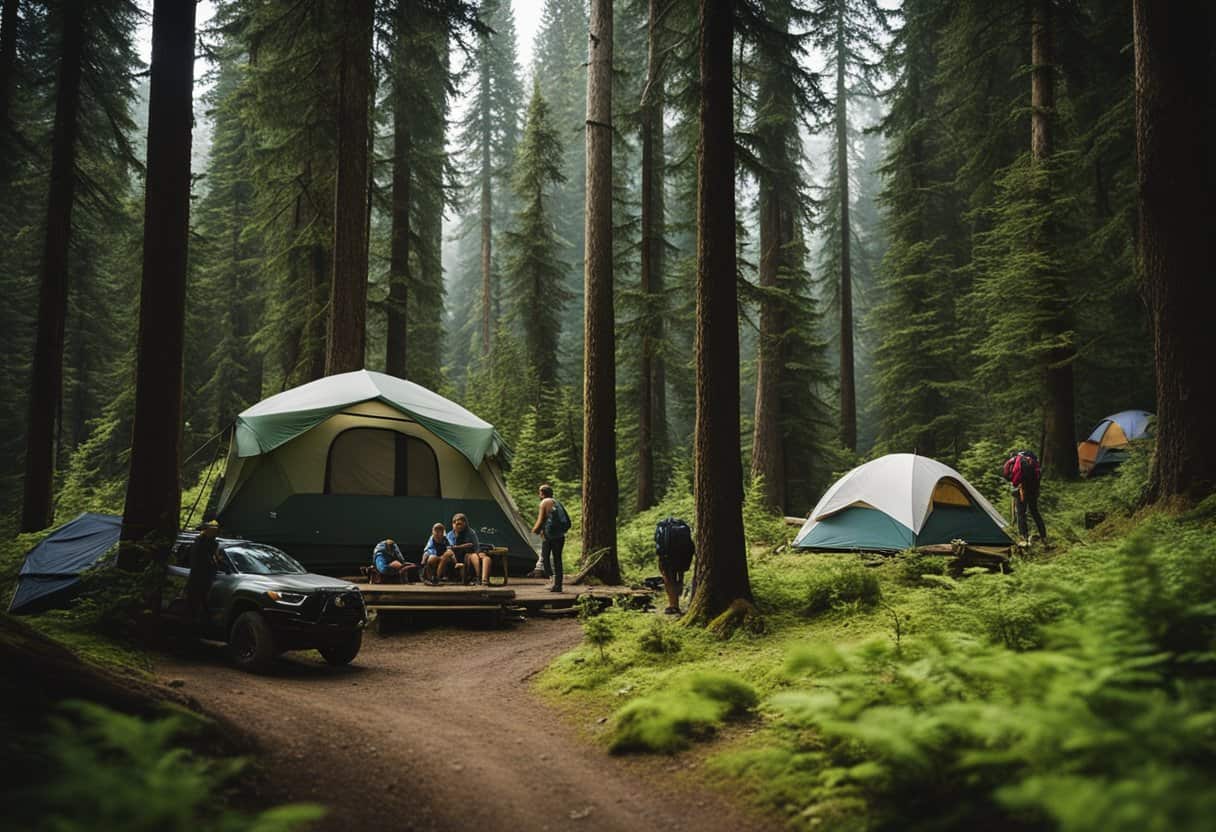
When exploring the wilderness areas of Washington, there are many outdoor activities to enjoy. However, it is important to be aware of regulations to ensure that you and others can continue to enjoy these areas for years to come.
Hiking and Climbing
Hiking and climbing are popular activities in the Washington wilderness. When planning your hike or climb, check the regulations for the specific wilderness area you intend to visit. Some areas may require permits or have restrictions on vertical distance climbed or the use of fixed anchors.
When hiking or climbing in the backcountry, it is important to practice the Leave No Trace principle. This means packing out all trash, minimizing your impact on the environment, and respecting wildlife and other visitors.
Backcountry Recreation
In addition to hiking and climbing, there are many other backcountry recreational activities to enjoy in Washington’s wilderness areas. These include camping, fishing, and hunting.
When camping, be sure to follow regulations for campfires and use designated campsites when available. When fishing or hunting, be sure to obtain the necessary permits and follow regulations for bag limits and other restrictions.
No matter what activity you choose, it is important to be prepared for the wilderness. This includes bringing appropriate gear and supplies, such as a map, compass, and first aid kit. It also means being aware of your limits and not pushing yourself beyond your abilities.
Whether for work or play, Washington’s wilderness areas offer endless opportunities for exploration and adventure. By following regulations and practicing Leave No Trace principles, you can help ensure that these areas remain pristine for future generations to enjoy.
Conservation Efforts
Washington’s wilderness is a treasured resource that requires protection and conservation efforts to ensure its preservation for future generations. Public lands are an essential part of Washington’s identity and contribute significantly to the state’s economy. To protect these lands, Washington has implemented several conservation efforts to preserve and protect its natural resources.
Protecting the Wilderness of Washington: Conservation Efforts
Washington has a long history of protecting its wilderness areas. In 1988, the Washington State Parks Wilderness Act established a strong wilderness legacy of nearly two million acres within Rainier, Olympic, and North Cascades National Parks. The act also created several new wilderness areas, including the Glacier Peak Wilderness and the Alpine Lakes Wilderness. These areas are now protected from development and other forms of human intervention, preserving their natural beauty and ecological diversity.
Washington Wild, a non-profit organization, has been working tirelessly to protect the state’s wilderness areas. In 2019, the organization successfully campaigned to protect the Wild Sky Wilderness and the Alpine Lakes Wilderness Additions. These efforts ensure that these areas remain protected and preserved for future generations.
Climate Change Impact
Climate change has the potential to significantly impact Washington’s wilderness areas. Rising temperatures, changing precipitation patterns, and more frequent wildfires can have devastating effects on the state’s natural resources. To address these challenges, Washington has implemented several conservation efforts aimed at mitigating the impacts of climate change.
One such effort is the Skagit Headwaters Forest Management Plan, which aims to protect the Skagit River watershed and its surrounding forests. The plan includes measures to reduce the risk of wildfires and protect critical habitat for endangered species.
Additionally, Washington is working to reduce greenhouse gas emissions and transition to a cleaner energy future. The state has set ambitious goals to reduce emissions and increase the use of renewable energy sources, such as wind and solar power.
Washington’s wilderness areas are a vital resource that requires protection and conservation efforts. By preserving these areas, Washington State will remain a source of natural beauty and ecological diversity for generations to come. Through continued efforts to protect, conserve, and preserve these areas, Washington can help mitigate the impacts of climate change and ensure a sustainable future for all.
Frequently Asked Questions
What are some popular wilderness areas in Washington State?
Washington State has 31 designated wilderness areas, each with its unique features and attractions. Some of the most popular wilderness areas in Washington State include the Alpine Lakes Wilderness, Mount Rainier Wilderness, and the Olympic Wilderness.
What activities are allowed in Washington State wilderness areas?
Washington State wilderness areas offer a wide range of recreational activities, including hiking, camping, fishing, hunting, and wildlife viewing. Some wilderness areas may also allow horseback riding, rock climbing, and mountain biking, depending on the specific regulations in place.
Where can I find a map of the Alpine Lakes Wilderness?
You can find a map of the Alpine Lakes Wilderness on the United States Forest Service website. The map provides detailed information about trails, campgrounds, and other recreational opportunities in the area.
Are dogs allowed in the Alpine Lakes Wilderness?
Yes, dogs are allowed in the Alpine Lakes Wilderness, but they must be kept on a leash at all times. Additionally, pet owners are responsible for cleaning up after their dogs and properly disposing of waste.
Do I need a permit to camp in the Alpine Lakes Wilderness?
Yes, a permit is required to camp in the Alpine Lakes Wilderness. Permits can be obtained from the United States Forest Service or at designated ranger stations in the area.
How large is the wilderness area in Alaska?
This question is not related to the topic of exploring the wilderness of Washington and, therefore, will not be answered.
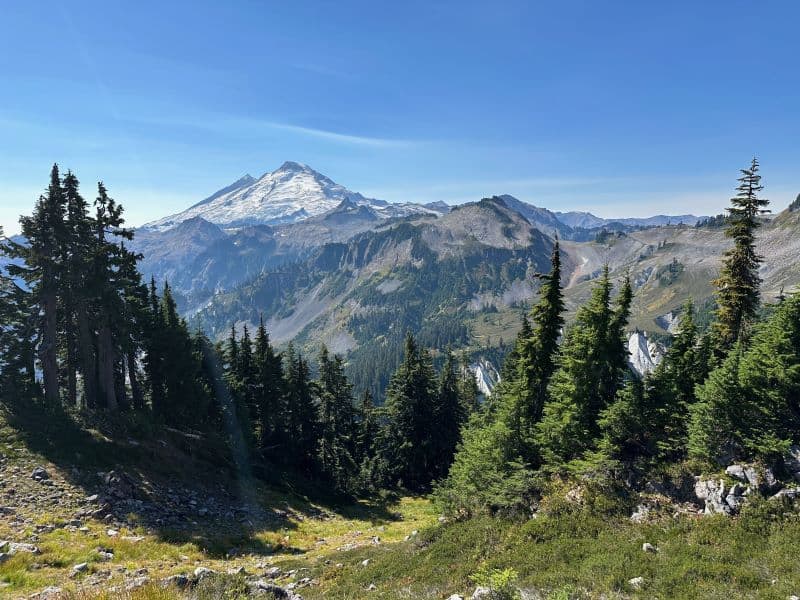
Growing up in the Pacific Northwest, we’ve always felt at home in the outdoors. We created Evergreen Adventures PNW to share our love of hiking, camping, and exploring, and to help others discover the best adventures this region has to offer. Along with trip guides and tips, we also enjoy diving into the science behind the landscapes—thanks to a background in Environmental Science—because understanding nature makes every adventure even more meaningful.