
Camping is a wonderful way to connect with nature, but getting a good night’s sleep can be tricky. Nothing dampens your outdoor adventure more than a restless night. Choosing the right campsite and setting up a comfortable sleep area are key to snoozing the night away comfortably. Whether you’re a first-time camper or a seasoned adventurer, a few practical tips can make all the difference.
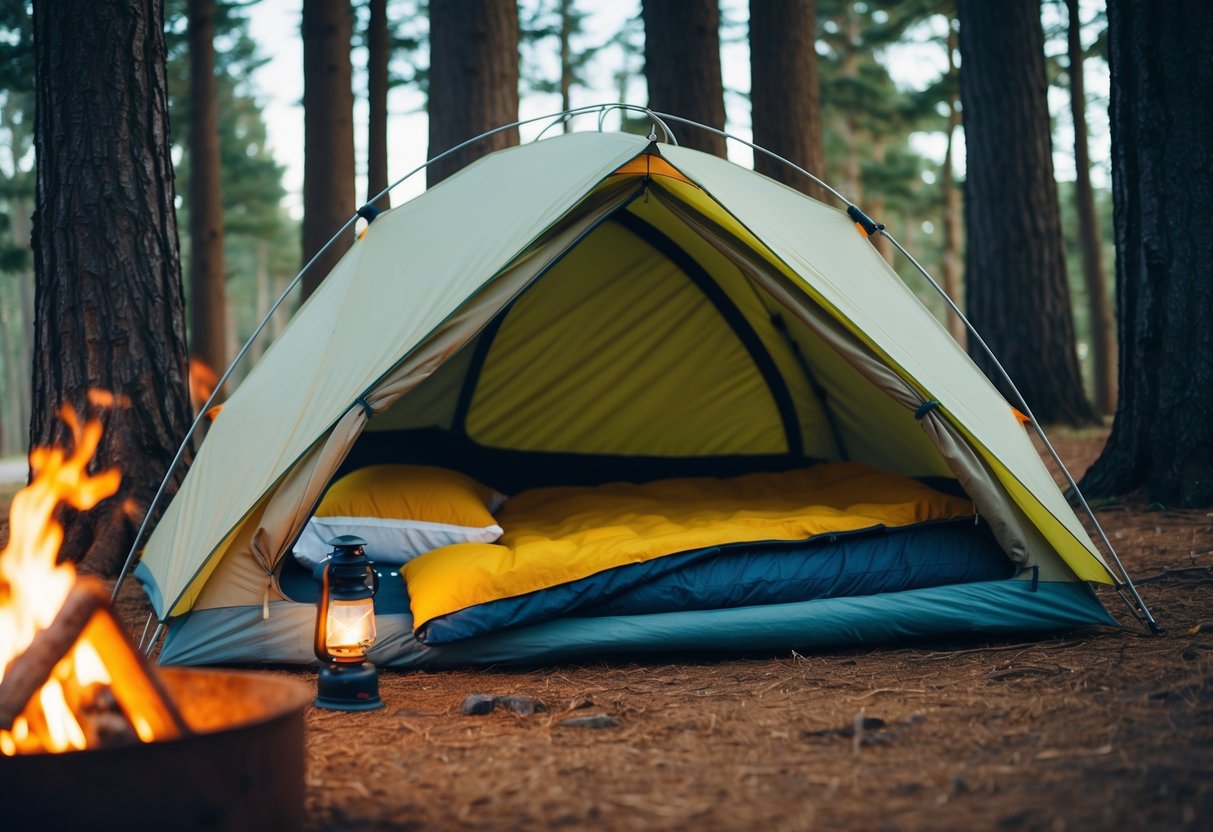
Make sure to select a flat, debris-free spot when pitching your tent; it can be the difference between tossing all night or snoozing like a bear! Things like sleeping pads and quality sleeping bags add comfort too. A simple routine, like winding down with a good book or sketching by lantern light, can also help signal your body that it’s time to rest.
Keeping warm can be easy if you know how to layer clothing and use your gear to insulate properly. With the right advice and gear, you’ll be cozy and snug. The crackling of the fire and the whispering wind can become the perfect lullaby for your night under the stars.
Key Takeaways
- Select a flat and clean campsite.
- Use quality sleeping gear for comfort.
- Develop a relaxing pre-sleep routine.
Choosing Your Campsite
When embarking on a camping trip, picking the right campsite is key to a pleasant stay. Focus on location and terrain to ensure a great night’s sleep among nature’s sounds.
Finding the Ideal Location
Start by selecting a campsite that is level and spacious. Look for a spot with close access to water but not too close, keeping at least 200 feet away from water bodies to prevent unwanted mosquitos or surprise floods. Shade matters—trees can offer protection from both sun and wind, making your stay more comfortable.
Don’t underestimate the power of nearby amenities. If your campsite is close to bathrooms, you save on late-night nature walks. Just don’t park right next to them to avoid noise. Additionally, consider the wind direction to keep campfire smoke out of your tent.
Understanding Campsite Terrain
A good terrain is both firm and flat, providing a stable base to pitch your tent. Clear away any rocks or debris that might disturb your sleep. Elevation is important; look for a slight slope to help with water drainage in case of rain, but not so sloped that you end up sliding in your sleep.
Evaluate ground stability before settling down. If it rains, soft soil can become muddy quickly. Choose grass or sand for a softer sleeping surface, staying clear of rocky or uneven ground that can lead to discomfort. Prioritizing terrain for comfort ultimately leads to a better camping experience.
Getting the Perfect Sleep Setup
Ensuring a good night’s sleep begins with choosing the right gear, understanding insulation, and using sleeping pads. These elements can dramatically transform your camping experience. Let’s explore how to set up the ultimate sleep system for the great outdoors.
Selecting the Right Sleeping Gear
Your sleeping bag and mattress are the heart of your sleep setup. Look for a sleeping bag that suits the climate. For summer, a lightweight bag should suffice, while a warmer bag is needed for chilly nights.
Think about size and shape too. Sleeping bags come in mummy or rectangular shapes. Mummy bags are snug and warm, while rectangular bags offer more room. Don’t forget a camp pillow for added comfort!
If weight is an issue because of hiking, opt for a lightweight and compact bag. And consider an inflatable camp pillow that packs down small. Remember, you want to rest easy, so invest in quality gear to match the adventure’s demands.
The Importance of Insulation
Insulation is crucial to maintaining warmth. The ground can sap your body heat, so R-value is your new best friend. This number tells you how well the sleeping pad prevents heat loss.
Opt for a pad with a higher R-value if camping in colder areas. Sleeping pads can range from 1.0 for warm weather to around 5.0 or higher for all-season use. Your choice can make a night’s rest or a freezing struggle.
Layering is smart, too. You could use a foam pad under an inflatable one to boost R-value. Not only does this provide additional insulation but also extra comfort. Who doesn’t want a cozy night’s sleep?
Inflating Your Comfort with Sleeping Pads
The humble sleeping pad can make or break your comfort. Choices include self-inflating pads, closed-cell foam pads, and air pads. Each type has its pros and cons.
Air pads are light and packable, perfect for backpackers. Self-inflating pads offer ease of use and comfort, but they can be heavier. Foam pads are the most durable and reliable but lack comfort for some.
Inflating your pad correctly is key. Feel whether it’s firm enough to support you without being rock hard. Over-inflating can be just as uncomfortable as under-inflating, so test it out before you hit the trail.
Ultimately, the right sleeping pad can ensure you wake up refreshed and ready for another day of adventure!
Temperature Control Strategies
Whether you’re facing chilly nights or intense heat, managing the temperature can make all the difference for your camping experience. By using the right gear and strategies, you’ll stay comfortable and enjoy a refreshing night’s sleep.
Staying Warm in Chilly Conditions
Cold nights can be rough, but there’s nothing a good warming plan can’t fix. Start by choosing a sleeping bag rated for lower temperatures than you expect. Insulation is key, so look for bags filled with down or synthetic materials. Don’t forget to add a cozy liner—it’s like an extra pair of PJ’s for your sleeping bag!
Dress in layers to trap heat effectively. Thermal pajamas and thick socks can make a huge difference without the bulk. Try a sleeping pad too; it insulates you from the cold ground.
Want to warm up your sleeping bag before bed? Fill a bottle with hot water and tuck it inside for a toasty nest. Ensure your tent is sealed well to keep chilly drafts away. Cheers to winter camping without the shivers!
Cooling Down When It’s Too Hot
Camping in the heat can be tricky, but smart hacks are at your service. Begin with a lightweight tent with plenty of ventilation for cool air circulation. If possible, set up your camp under trees or shade.
Elevate your sleep spot with a cot or hammock to allow air flow underneath. Ah, the breeze!
Don’t forget a solar-powered fan for extra airflow. A water spritzer can mimic a cool shower, and keeping hydrated keeps you cool from the inside out.
Staying cool is all about choosing the right materials and harnessing nature’s power. With these tips, you’ll beat the heat and snooze soundly even on sultry nights.
Developing a Sleep-Enhancing Routine
Having a bedtime routine can transform your camping experience. A few simple habits can lead to a peaceful night under the stars.
Establishing a Regular Bedtime Routine
Consistency is key! Try to stick to a regular bedtime, even while camping. Set the mood by dimming any lights and lowering noise levels. Packing a small lamp or flashlight can create a cozy ambiance.
On cooler nights, zip up your sleeping bag snugly to avoid chills. Arrange belongings and clothes for the next day to minimize morning stress.
A warm cup of sleepytime tea helps you unwind. It’s like wrapping up in a cozy blanket. Adding these small steps can make falling asleep easier.
Relaxation Techniques for Better Sleep
Let’s talk relaxation techniques. Got stress? No problem! Consider deep breathing exercises. Breathing in and holding your breath for a couple of seconds before slowly letting it out relaxes your body.
Another option? Meditation. Use guided apps or soft music to help focus the mind. Shake off campfire jitters with some gentle yoga stretches right in your tent. Simple poses like child’s pose can calm any tension left over from the day.
Tip: Avoid screens to keep your mind relaxed. These techniques make drifting off to dreamland while camping much smoother.
Enhancing Sleep Quality
Getting a good night’s sleep while camping can make or break your outdoor experience. Focus on blocking disruptive noises and creating a dark environment to wake up refreshed and ready for adventure.
Blocking Out Disruptive Noises
Camping often comes with new sounds: rustling leaves, animal calls, or the wind. You can use earplugs to block these out. They’re compact and can drastically reduce noise.
A battery-operated white noise machine is also helpful. It produces a consistent sound that masks sudden noises. This device is especially useful if you’re a light sleeper. Simple tricks like zipping up your tent securely can also help minimize drafts and noise entry.
Are you a fan of technology? An app on your smartphone could simulate calming sounds that aid in falling asleep. Don’t let sounds keep you from a restful night.
Creating a Dark and Restful Environment
Camping means exposure to moonlight, campfires, or early sunrises. For quality sleep, keep your tent as dark as possible. Consider bringing an eye mask to block out unwanted light. They’re comfortable and easy to pack.
Place your tent away from streetlights or other campers’ lanterns. Position your tent’s entrance facing away from the rising sun. Additionally, closing your tent’s rainfly can shield against moonlight but still allows ventilation.
Have duct tape handy? It can temporarily fix small leaks in your tent that might let in unwanted light. Remember, less light means more melatonin, a hormone that aids sleep, and more energy for the next day’s adventures.
Hydration and Nutrition
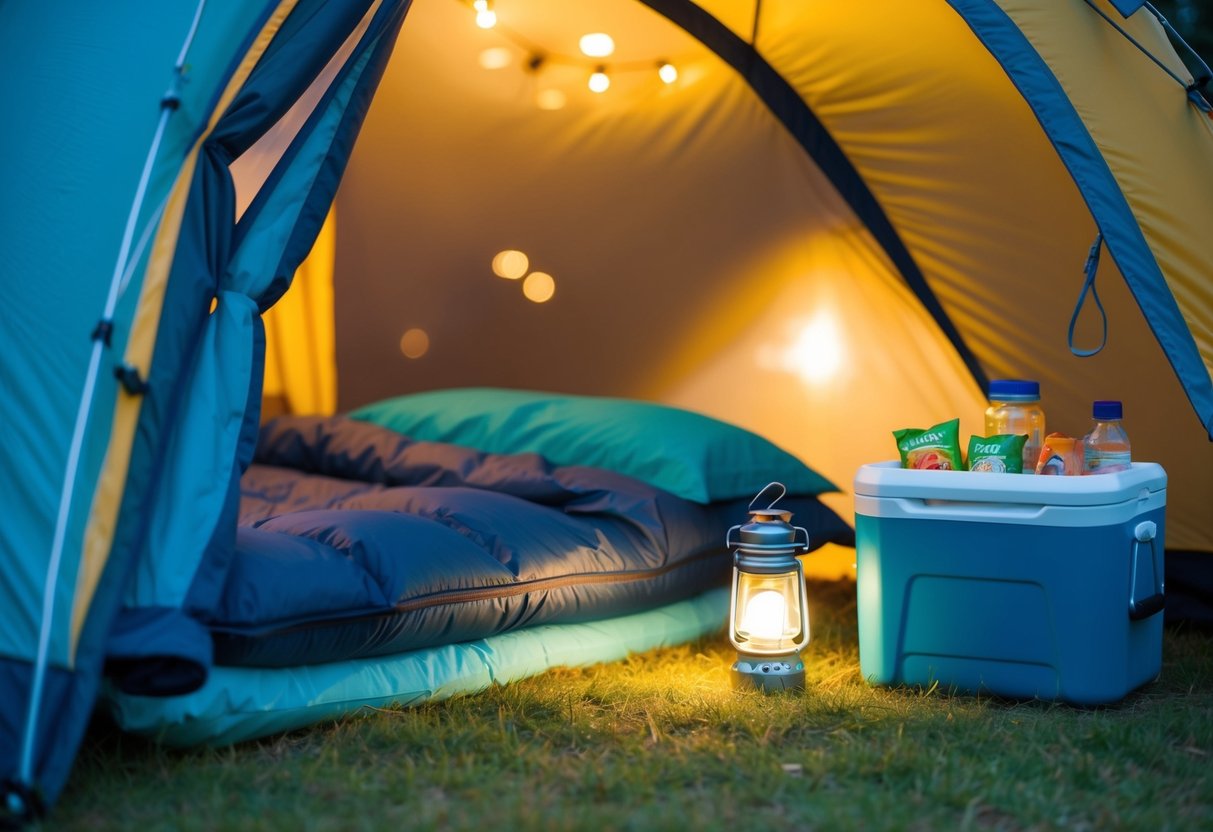
Staying hydrated while camping is crucial for energy and comfort. Think about all the exploring you’ll do! Make sure you pack a reusable water bottle. They’re easy to carry and help keep the environment clean.
Tip: Freeze your water bottle overnight. It will keep your drinks cooler during the next day’s adventures.
Feeling thirsty often means you’re already dehydrated. Don’t wait to drink water. Make hydration more fun by adding slices of lemon, cucumber, or mint to your water bottle.
Nutrition is another key part of staying comfortable while camping. Keep high-energy snacks like trail mix or granola bars on hand. These are easy to pack and perfect for quick energy boosts.
Here’s a simple packing list:
- Water bottle: 1 per person
- Trail mix: 1 bag per person per day
- Granola bars: 2-3 per person per day
- Fruits or veggies: Easy-to-carry options like apples or baby carrots
Meals should be both nutritious and easy to prepare in the great outdoors. Think straightforward! Canned beans, whole-grain wraps, and dried fruits are excellent choices. They provide long-lasting energy without taking up too much space.
When preparing meals, focus on balanced portions of protein, carbohydrates, and healthy fats. This keeps your energy balanced and prevents those dreaded afternoon slumps. Happy camping and enjoy your sleep under the stars!
Maximizing Comfort with Accessories
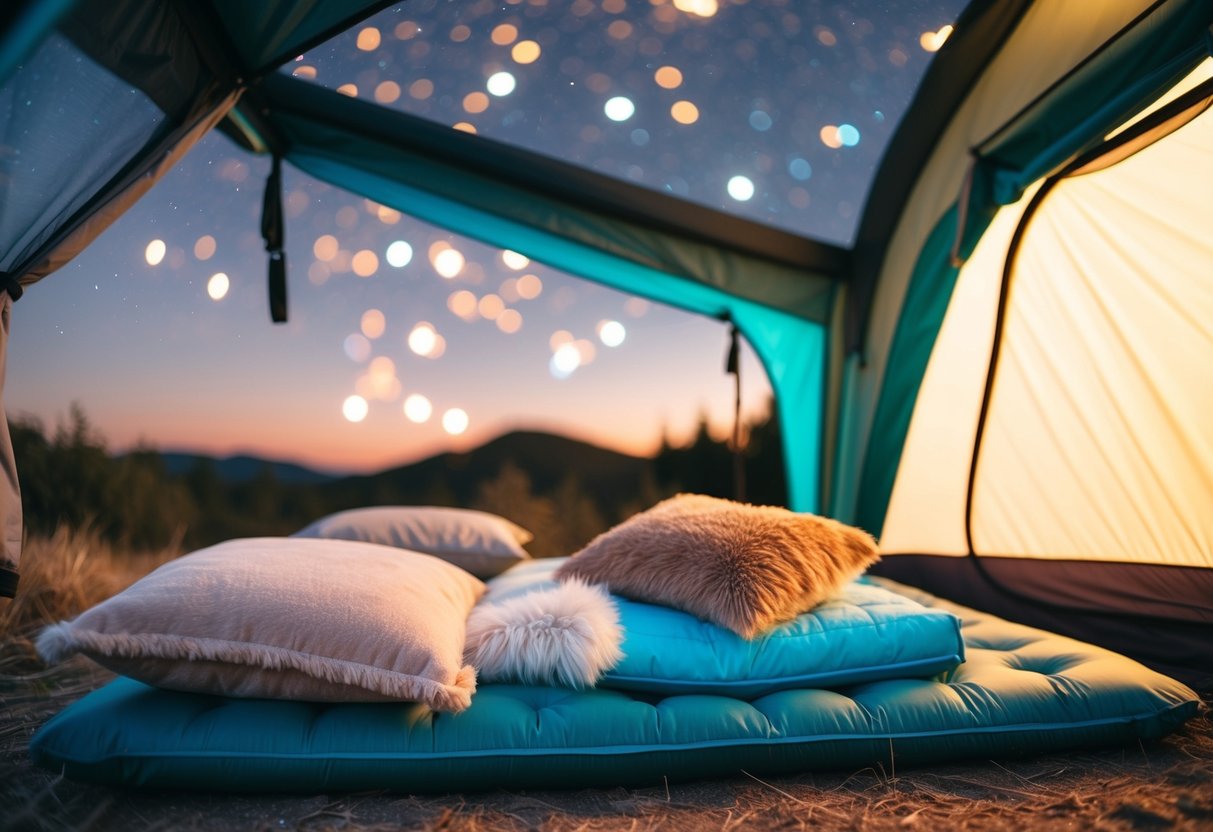
To rest easy at a campsite, you need the right accessories. Consider important items like pillows for extra support and tweaking your sleeping bag to suit your comfort preferences.
Choosing the Right Pillows
The pillow you choose can make all the difference in the wild. A camping pillow can be a great option because it’s portable and often made for outdoor conditions. Look for features like inflatable pillows, which allow you to adjust firmness. This is super handy because you can make it as soft or firm as you like. If you’re going on a longer trip, lightweight pillows can save you a lot of hassle. Memory foam options are available too, providing that luxurious comfort we’re used to at home. A good tip is to try testing a few pillows before your trip to see what feels best. After all, comfort is key for a good night’s sleep.
Customizing Your Sleeping Bag
Sleeping bags come in different shapes and sizes, each with its perks. Opt for a high-quality sleeping bag if you want top-tier comfort. These often have extra padding and better insulation, which can make a big difference on chilly nights. If weight is a concern, a lightweight sleeping bag is a good alternative, combining portability with warmth. You can also add a sleeping bag liner. This nifty accessory not only gives extra warmth but keeps your bag cleaner. Then there’s the matter of temperature ratings—make sure your bag suits the weather you’re camping in. Whether it’s a hot summer night or a chilly fall evening, customizing your setup can make or break your comfort.
Sleeping in Different Camping Styles
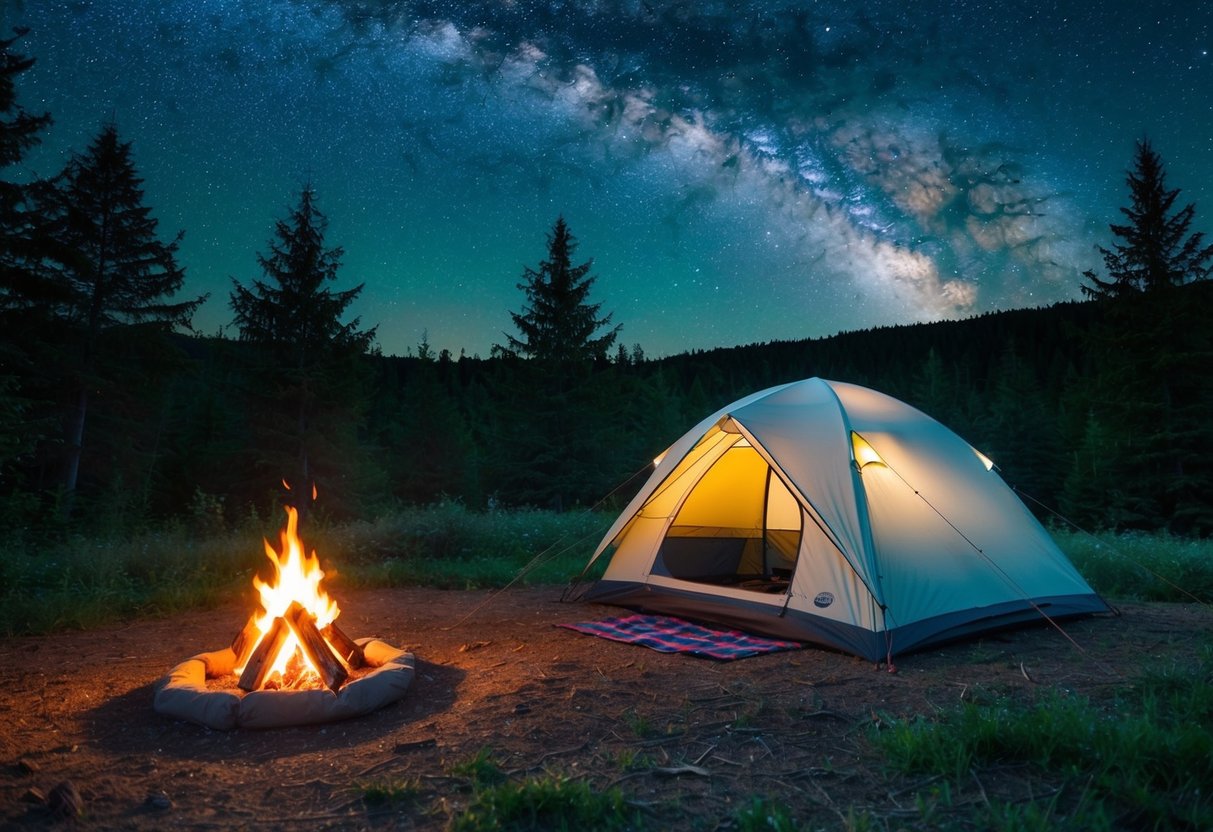
Different camping styles come with their own challenges and comforts. Whether you’re cozying up in a car or trekking deep into the wilderness, ensuring a good night’s rest is key. Let’s explore some tips tailored to each style.
Car Camping Comforts
Car camping can offer many comforts you might not expect. Space is a luxury you can exploit. Bring a large sleeping bag for extra room or even an air mattress for more support. Don’t forget pillows from home to make it feel extra cozy.
Packing extras like a battery-powered fan can help circulate air on warm nights. Think about a privacy curtain for your car windows. This will shield you from light and make you feel more at ease.
For sound, consider a white noise machine or app on your phone. This drowns out nighttime rustling and makes falling asleep easier. Temperature control is crucial, so pack layers and blankets to adjust as needed. Treat your car as a little home for the night.
Backpacking Sleep Strategies
Backpacking into the wild means carrying everything you need. Weight is everything here. Choose a lightweight sleeping bag suited for the expected temperatures. A compact sleeping pad can add much-needed comfort without bulk.
Pick a solid tent spot! Level ground ensures a better rest, and pitching your tent under trees can shield you from early morning sun. Pay attention to wind and rain direction to stay dry and comfortable.
Many backpackers swear by earplugs. They block surprise forest sounds that might wake you. Sleeping masks can keep you asleep longer during bright mornings. All these small adjustments can make a huge difference when you’re sleeping under the stars.
Maintaining Your Gear
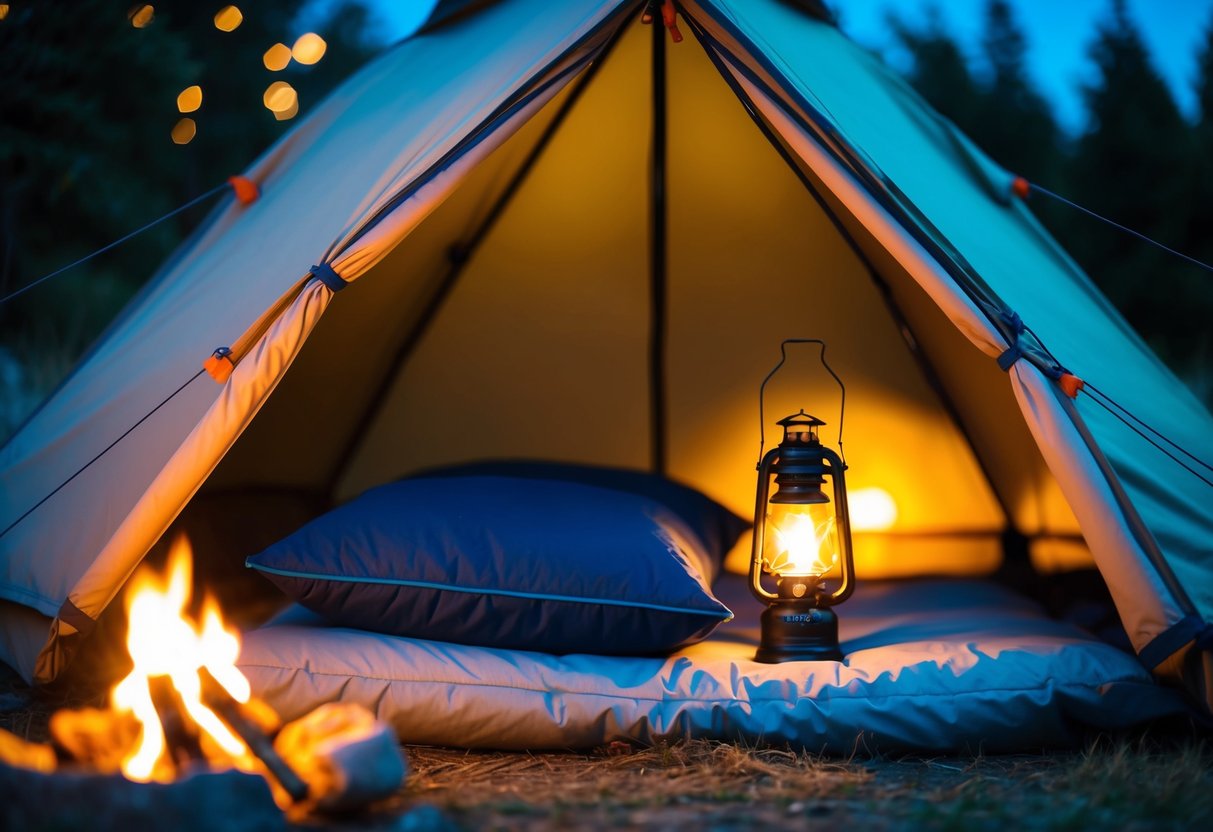
Keeping your camping gear in top shape is super important for a comfy sleep under the stars. You wouldn’t want to deal with a deflated air mattress or a torn sleeping bag, right?
1. Clean Your Gear Regularly: Dirt and moisture are your gear’s enemies. After each trip, wipe down tents, sleeping bags, and mats with a damp cloth. Let them dry completely to avoid mold.
- Tip: For tougher stains, a gentle soap will do the trick. Just make sure to rinse well!
2. Store Gear Properly: How you store your gear can affect its lifespan. Keep sleeping bags loosely stored in a cool, dry place. Always roll your tent instead of folding to avoid weak spots.
3. Repair When Needed: Small holes in tents or sleeping bags? Use a patch kit before they become bigger problems. Check zippers and tent poles for any damage.
- Remember: A quick fix now can save you trouble during your next adventure.
4. Create a Check Routine: Before heading out, check your gear. Inflate air mattresses, inspect sleeping bags, and ensure all tent parts are there. This routine ensures you’re never caught off guard.
Keep these simple steps in mind, and your camping gear will be ready to give you a cozy sleep wherever you set up camp!
Final Thoughts
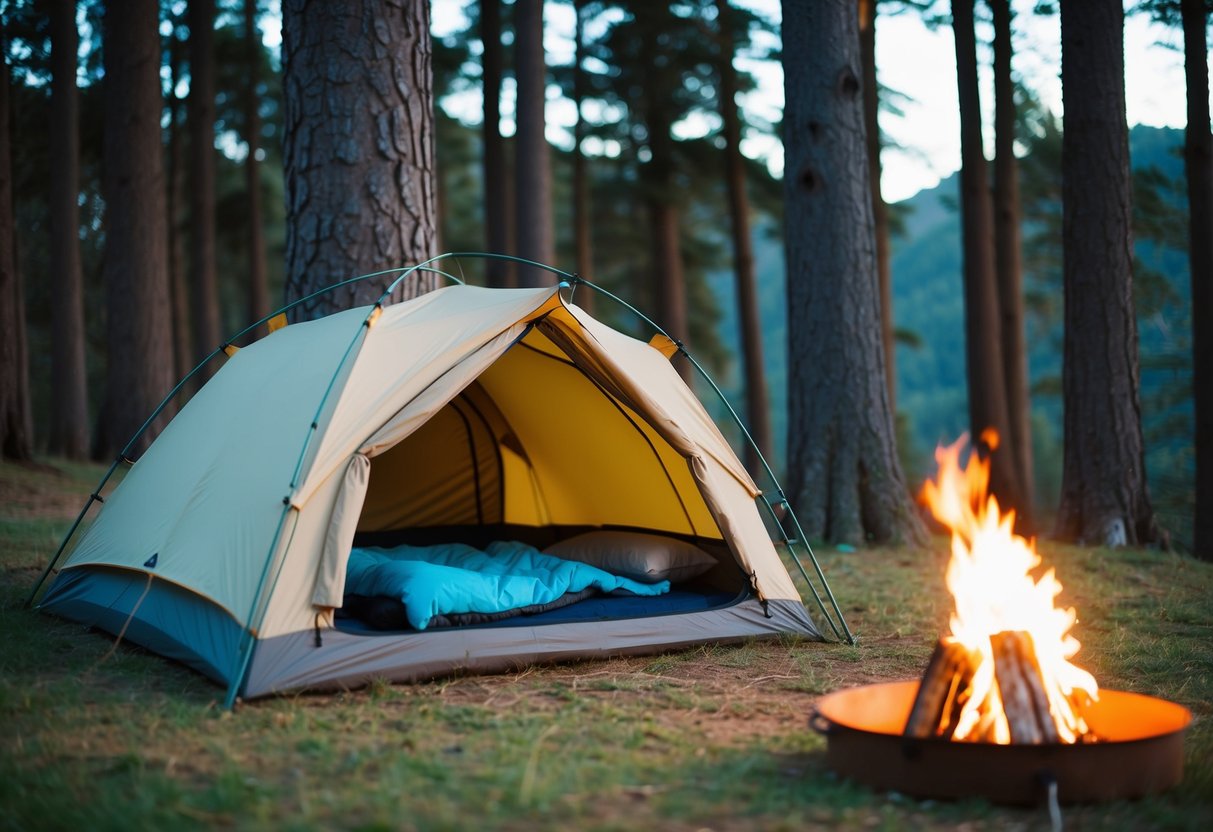
Getting a good night’s sleep while camping can make a big difference in your adventure. You’ve got all sorts of ways to stay comfy. Pack a sleeping pad or mattress for some extra cushioning. It’s like giving yourself a little slice of home, right in the great outdoors! Who wouldn’t want that?
When choosing your campsite, think strategically. Pick a level spot, away from noise and activity. This simple step can help you sleep like a baby in the wild. And really, who wants to roll downhill in their sleep?
Want to stay warm? Dress in layers. They help you adjust to temperature changes during the night. You can always peel one off if things heat up. It’s like a built-in thermostat for your body!
Let’s talk about noise. Bringing a white noise machine or a small fan can help with unfamiliar sounds. A little buzz or hum might just be the difference between tossing all night and snoozing soundly.
Being comfortable doesn’t end at setup; light exercise like a walk or yoga before bed can help relax your muscles, making it easier to drift off. Just avoid anything too intense. After all, you don’t want a leg cramp interrupting your camp-side dreams!
With these tips, your camping trip should be all about cozy nights and energetic days. Enjoy your adventure!
Frequently Asked Questions
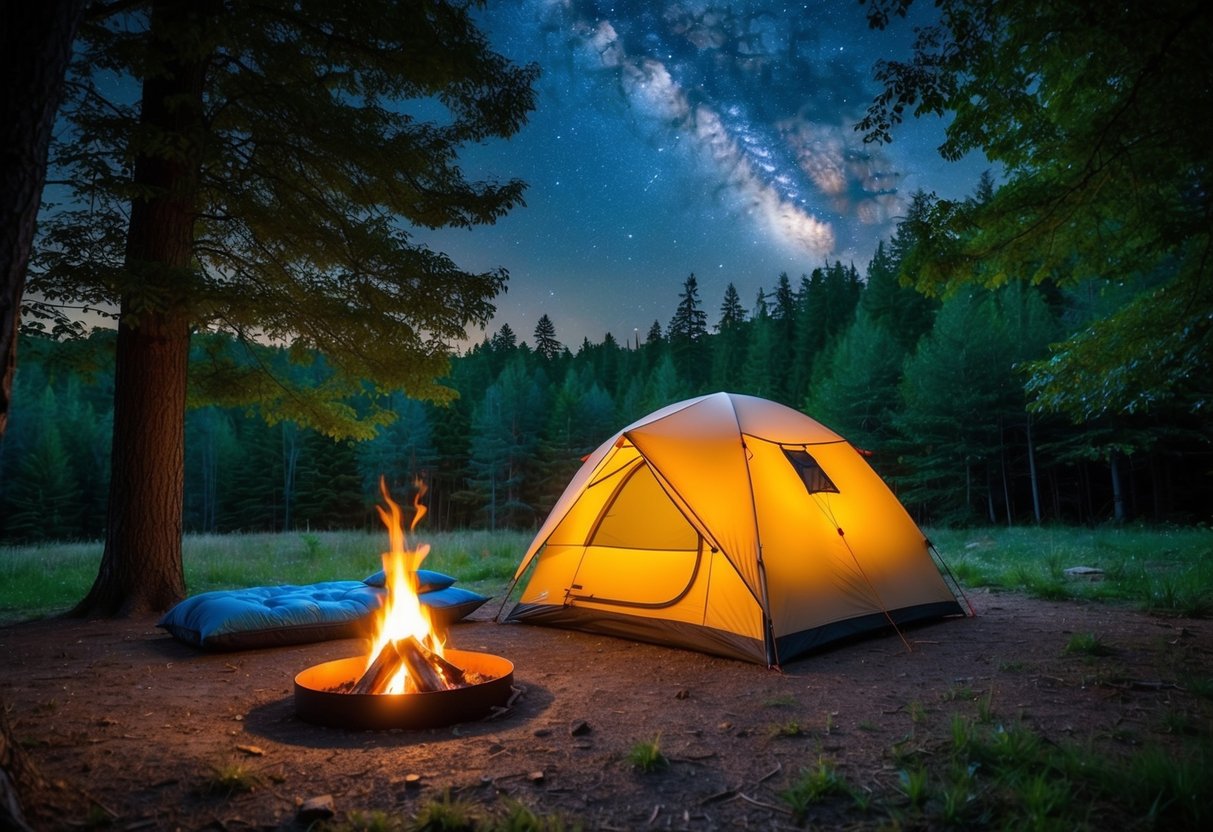
Getting comfortable sleep while camping is all about smart packing, adapting to nature’s temperatures, deciding on the best sleeping gear, and managing space efficiently. Explore these questions to prepare for your next night under the stars.
What should I pack for the comfiest sleep experience while camping under the stars?
For the best sleep, pack a high-quality sleeping bag suited for the weather, a comfortable sleeping pad, and a portable pillow. Don’t forget a tent with good ventilation to keep it airy. Earplugs and an eye mask can help if you’re sensitive to sounds and light.
Any secrets to catching Z’s in a tent when the summer heat wants to party all night?
To keep cool, choose a shaded campsite. Keep your tent ventilated by leaving the fly off or cracking windows. Use light sleeping bags or sheets. A battery-operated fan can also introduce a gentle breeze, while breathable clothing can help regulate your body temperature.
In the quest for a dreamy night outdoors, which is better: sleeping pad, cot, or plain old ground?
Sleeping pads are light and easy to carry, making them great for backpacking. Cots provide more support and elevation, ideal for car camping. The ground is, well, the ground—best with a pad for some cushioning. The choice depends on your trip type and comfort preference.
Backpacking can be tough! What are the top tips for snoozing soundly on the trail?
Pack lightweight gear like an ultra-light sleeping bag and pad. Choose strategic spots for pitching your tent away from uneven or rocky surfaces. Consider bringing a small camp pillow or repurposing your clothing for neck support. Quick-dry, moisture-wicking pajamas make a surprising difference!
Building the perfect camp bed: How can I ensure comfort without hauling my mattress?
Think layers! Combine a sleeping pad for cushioning and a sleeping bag for warmth. Consider a camping pillow or just bundle up clothes. Look for gear that expands for sleep but packs small. This ensures comfort without the bulk.
Why do I toss and turn in a tent, and how can I guarantee a great night’s sleep in the great outdoors?
Discomfort and unfamiliar sounds are common culprits. Make sure you find a level surface for your sleeping pad. A white noise machine can drown out critters and rustling leaves. Practice makes perfect—getting used to your setup before your trip can work wonders.
Growing up in the Pacific Northwest, we’ve always felt at home in the outdoors. We created Evergreen Adventures PNW to share our love of hiking, camping, and exploring, and to help others discover the best adventures this region has to offer. Along with trip guides and tips, we also enjoy diving into the science behind the landscapes—thanks to a background in Environmental Science—because understanding nature makes every adventure even more meaningful.