
Safety should always be a top priority when planning a camping trip. With the right camp safety equipment, you can ensure that you and your fellow campers stay safe and protected during your outdoor adventure. From camping survival kits to climbing gear, there are plenty of options to choose from to keep you prepared for any situation.
A good first aid kit is one of the most important pieces of camp safety equipment. Accidents can happen at any time, and having a well-stocked first aid kit on hand can make all the difference. Look for a kit that includes essentials like bandages, antiseptic wipes, and pain relievers. You may also want to consider packing additional items like emergency blankets and a whistle in case of an emergency.
Another important aspect of camp safety is proper gear for climbing and hiking. Whether you’re scaling a mountain or simply exploring a nearby trail, having the right equipment can help prevent falls and injuries. Look for quality climbing harnesses, ropes, and carabiners to ensure you’re always properly secured. Investing in good hiking boots and trekking poles can help prevent slips and falls on uneven terrain.
Table of Contents
Essential Camp Safety Equipment
When you’re out in the wilderness, having the right safety equipment to ensure your trip is enjoyable and safe is crucial. In this section, we’ll cover some of the most essential camp safety equipment you should bring with you on your next camping trip.
Fire Starters and Emergency Supplies
Fire starters are a must-have for any camping trip. A reliable fire starter can help you start a fire quickly and efficiently, which is essential for cooking food, staying warm, and warding off animals. Some popular fire starters include waterproof matches, lighters, and fire starters that use magnesium shavings.
In addition to fire starters, it is important to bring emergency supplies with you on your camping trip. These supplies can include a first aid kit, a whistle, a compass, and a flashlight. A first aid kit should contain items such as bandages, antiseptic, and pain relievers. A whistle can be used to signal for help if you get lost or injured, while a compass can help you navigate your way back to camp. A flashlight is also essential for illuminating your way at night and signaling for help.
Overall, fire starters and emergency supplies are two essential pieces of camp safety equipment that you should never leave at home. By packing these items, you’ll be better prepared for any emergencies that may arise during your trip.
Hiking and Climbing Safety
When planning a hike or climb, safety should be your top priority. Proper safety equipment can make the difference between a successful trip and a disaster. Here are some essential pieces of equipment you should consider:
Hiking Safety Equipment
- Proper footwear: Wear comfortable, sturdy shoes or boots with good traction.
- Navigation tools: Bring a map, compass, or GPS device to help you stay on course.
- First aid kit: Be prepared for minor injuries with a basic first aid kit.
- Sun protection: Wear a hat and sunscreen to protect your skin from harmful UV rays.
- Water and food: Bring plenty of water and snacks to keep you hydrated and energized.
Climbing Safety Equipment
- Climbing rope: Choose a rope that is strong enough to support your weight and long enough to reach the top of the climb.
- Harness: A harness is essential for attaching yourself to the rope and keeping you safe in case of a fall.
- Climbing shoes: Wear shoes designed for climbing to provide better grip and support on the rock.
- Helmet: Protect your head from falling rocks or other hazards with a climbing helmet.
- Carabiners and quickdraws: Use these to attach yourself to the rope and to secure the rope to the rock.
Remember to always use proper safety techniques when hiking or climbing. Stay alert, stay focused, and stay safe.
Choosing the Right Products
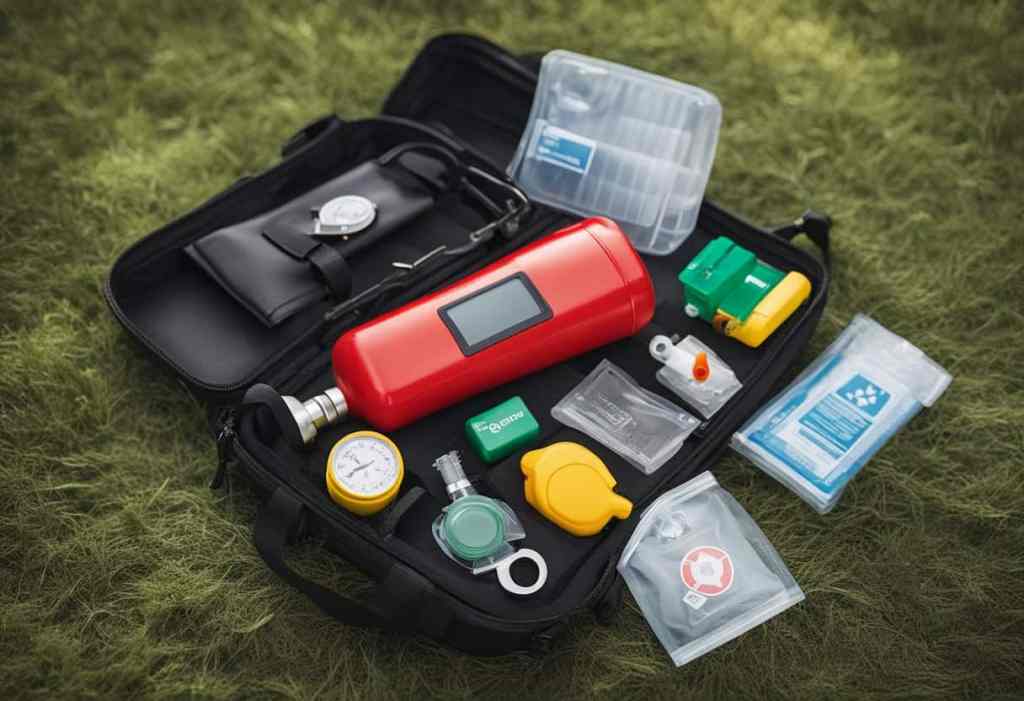
When it comes to camp safety equipment, choosing the right products is essential for a safe and enjoyable trip. Here are some tips to help you make the right choices:
Research
Before purchasing any camp safety equipment, do your research. Look for reliable brands and read reviews from other campers. Check the materials used in the products and ensure they are durable and high-quality.
Essential Products
Several essential products for camping safety should never be forgotten. These include a first aid kit, flashlight, whistle, and fire starter. Consider bringing a personal locator beacon (PLB) for emergencies.
Clothing and Footwear
Wearing the right clothing and footwear is also crucial for camp safety. Choose clothing that is weather-appropriate and can protect you from insects. Opt for sturdy and comfortable footwear that can keep you safe during hikes.
Camping Gear
When selecting camping gear, choose products that are reliable and durable. Look for tents that can withstand harsh weather conditions and sleeping bags that can keep you warm and dry. Also, consider bringing a camp stove and cookware that are easy to use and transport.
By following these tips, you can choose the right camp safety equipment for a safe and enjoyable camping trip.
Proper Use and Maintenance of Safety Equipment

Using and maintaining camp safety equipment is crucial to ensuring a safe camping experience. Proper use and maintenance of safety equipment can prevent accidents and injuries. Here are some tips on how to use and maintain your safety equipment:
Inspection
Inspect all safety equipment before use to ensure it is in good condition. Look for any signs of wear and tear, such as cracks or frayed straps. Check that all buckles and fasteners are working properly. If any defects are found, do not use the equipment until it has been repaired or replaced.
Cleaning
Clean safety equipment regularly to prevent the buildup of dirt and grime. Use mild soap and water to clean helmets, harnesses, and other equipment. Do not use harsh chemicals or solvents, as they can damage the equipment. After cleaning, allow the equipment to air dry completely before storing it.
Storage
Store safety equipment in a cool, dry place away from direct sunlight. Hang harnesses and ropes to prevent them from becoming tangled. Store helmets and other equipment in a protective case or bag to prevent damage.
Replacement
Replace safety equipment when it reaches the end of its useful life or after a significant impact. Helmets should be replaced every five years, even if they have not been damaged. Harnesses and ropes should be replaced after any significant fall or impact.
By following these tips, you can ensure that your safety equipment is in good condition and ready to use when you need it. Remember, safety should always be a top priority when camping.
Importance of Preparedness on a Camping Trip
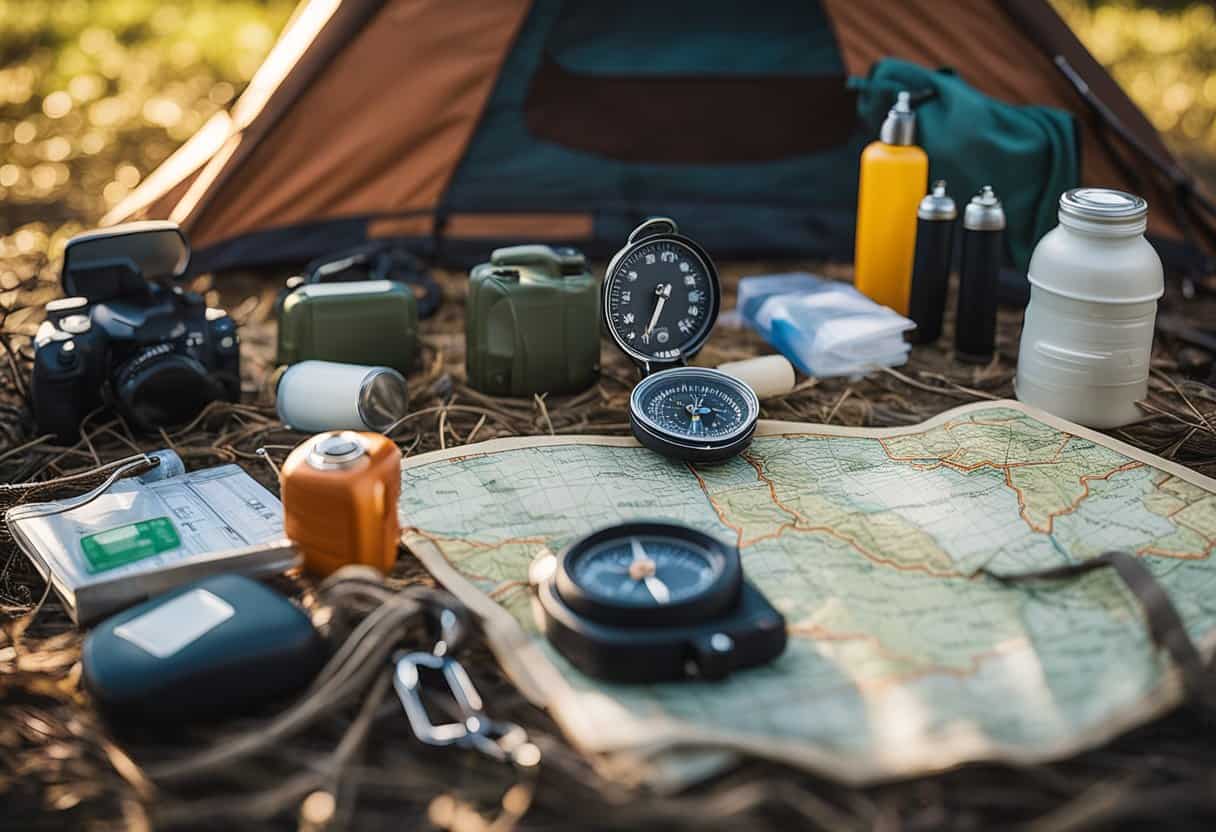
When you’re out camping, it’s important to be prepared for any situation that may arise. You never know when an emergency may happen, so having the right equipment on hand is best.
Before you set out on your camping trip, make sure you have a checklist of all the necessary camping gear. This includes a first aid kit, a map of the area, a compass, and a flashlight. You should also bring extra food, water, and clothing in case of an emergency.
Knowing the area you’ll be camping in and the potential hazards is important. Research the weather conditions and any wildlife that may be present. This will help you prepare for any situation that may arise.
When setting up camp, choose a safe location away from potential hazards, such as falling branches or rocks. It’s also important to set up your tent properly, following the instructions carefully.
It’s important to have a way to communicate with the outside world in an emergency. Bring a fully charged cell phone and a portable charger. You can also bring a two-way radio or a whistle to signal for help.
Overall, being prepared is key to a safe and enjoyable camping trip. By bringing the right equipment and knowing the area, you can have peace of mind and enjoy your time in the great outdoors.
Frequently Asked Questions
What are some essential safety gear for camping?
When camping, it’s essential to bring a first-aid kit, headlamp, whistle, and multi-tool knife. Camping Safety Tips also suggests bringing a portable stove, cookware, utensils, and fuel.
What is the best type of harness for campers?
A full-body harness is the best type of harness for campers, as it provides better support and minimizes the risk of injury. Field Guide for Camps recommends using a harness that meets the UIAA and CE safety standards.
How do I choose the right crampons for camping?
When choosing crampons for camping, consider the terrain and weather conditions. Camping Safety: What You Need To Know Before Your Trip suggests that flexible crampons are ideal for mixed terrain, while rigid crampons are best for ice climbing.
Are there any safety standards for camping equipment?
Yes, there are safety standards for camping equipment. Field Guide for Camps recommends using equipment that meets the UIAA, CE, or ASTM safety standards.
What are some reliable brands for camp safety equipment?
Some reliable brands for camp safety equipment include Black Diamond, Petzl, and Mammut. Camping Safety: How to Prevent Hazards and Deal With Mishaps suggests researching and investing in high-quality gear to ensure safety while camping.

Growing up in the Pacific Northwest, we’ve always felt at home in the outdoors. We created Evergreen Adventures PNW to share our love of hiking, camping, and exploring, and to help others discover the best adventures this region has to offer. Along with trip guides and tips, we also enjoy diving into the science behind the landscapes—thanks to a background in Environmental Science—because understanding nature makes every adventure even more meaningful.