
Start on the Olympic Peninsula if you want to see Roosevelt elk in Washington. The Hoh Rain Forest has short trails, Dosewallips State Park is right off US 101, and lower Lake Quinault has short walks and picnic stops. Dawn and dusk are good times to look, but sightings aren’t guaranteed.

Key Takeaways
- Short walk: Try the 0.8-mile Hall of Mosses loop or the 1.2-mile Spruce Nature Trail at the Hoh.
- Easy roadside stop: Dosewallips State Park in Brinnon has a day-use area and campground. Check winter alerts first.
- Bugling: Try September, around dawn or dusk. Give elk extra room during the fall rut and spring calving.
Table of Contents
🔎 What Makes Roosevelt Elk Unique?

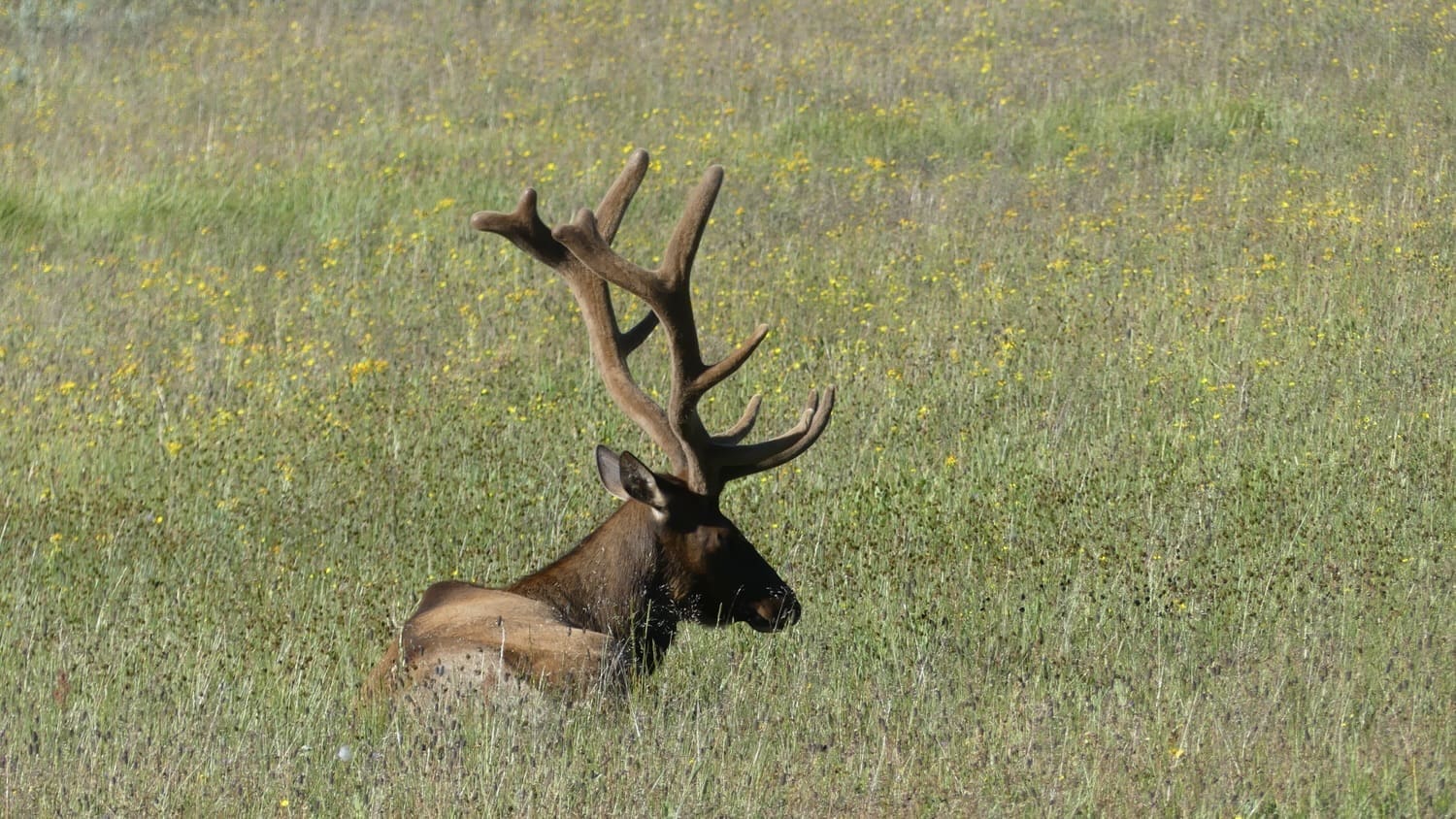
Roosevelt elk are the largest North American elk subspecies. The National Park Service’s Roosevelt elk guide lists large bulls at up to 1,100 pounds. Look for a dark head and neck, a lighter body and a pale rump. Antlers alone won’t reliably distinguish Roosevelt elk from Rocky Mountain elk.
On the Olympic Peninsula, elk live in rain forests, river valleys and mountain meadows. They graze meadow grasses and browse shrubs and ferns. Some Hoh herds stay in the area year-round.
📍 Where to See Roosevelt Elk in Washington
Hoh Rain Forest: Short loops from one trailhead
Start at the visitor center parking area off Upper Hoh Road. The Hall of Mosses and Spruce Nature Trail both start nearby. Try the Spruce Nature Trail for a short walk beside the Hoh River.
The Hoh River Trail to Glacier Meadows is about 17.4 miles one way, a backcountry trip. For a short visit, stick to the loops or choose an early turnaround. Check park alerts for road access and visitor center hours.
Dosewallips State Park: An easy stop in Brinnon
Dosewallips State Park sits right off US 101 on Hood Canal. Washington State Parks identifies the local herd as Roosevelt elk. Scan from open day-use areas or signed parking. Use the state park entrance in Brinnon; Dosewallips Road into Olympic National Park is a different route.
Parts of the day-use area and campground close in winter, and regular water service is limited. Check the state park’s current alerts before setting out and bring drinking water if you’re visiting during winter.
Lower Lake Quinault: A short walk or picnic
Try July Creek Picnic Area on the north shore. It has van-accessible parking and a vault toilet, but the short gravel path has steep stretches. If trailhead access is open, try Maple Glade or Kestner Homestead for another short walk.
The November 14, 2026 park road report lists North Shore Road closed at mile 8 and Graves Creek Road closed. The park lists July Creek Picnic Area open. Check the route before leaving and don’t count on driving around the lake. Enchanted Valley is about 13 miles one way from Graves Creek Trailhead. Plan that as a separate backcountry trip when access allows.
Other places to see elk in Washington
Hurn Field on Highway 20: Heading east from Sedro-Woolley, look for the signed gravel pullout on the right about three miles before Concrete. Skagit Land Trust asks visitors to watch from the pullout and stay out of the field. The North Cascades elk herd has both Roosevelt and Rocky Mountain elk ancestry. The stop is west of the usual winter pass gates; if you’re continuing into the mountains, check WSDOT’s pass report.
Oak Creek Wildlife Area near Naches: WDFW’s winter viewing site is a good option for seeing elk, but the Yakima herd is predominantly Rocky Mountain elk. Check WDFW for feeding operations and visitor hours.
Mount St. Helens: WDFW describes the herd as having both Roosevelt and Rocky Mountain elk ancestry. Check WSDOT’s SR 504 access updates before planning a visit around Johnston Ridge.
🍂 The Rut: Roosevelt Elk’s Mating Season (and Why It’s Wild!)
In the fall rut, bulls bugle to challenge other males and compete for groups of cows. The National Park Service’s Roosevelt elk guide recommends September for hearing bugles. Listen from where you are rather than moving toward the call.
Give elk extra room during the rut. In spring, leave calves alone even if you don’t see a cow nearby. If elk block the trail, back away slowly and let them move off on their own.
🌿 The Ecological Role of Roosevelt Elk

Where elk gather and graze, they can change which plants grow. Elk also support animals such as cougars and scavengers.
⚠️ Conservation & Threats to Roosevelt Elk in Washington
Protecting native Roosevelt elk helped motivate the creation of Mount Olympus National Monument in 1909. The National Park Service monitors elk today. If you see an elk limping, keep your distance and use WDFW’s hoof disease reporting guidance.
🏕️ Planning Your Roosevelt Elk Adventure? Here’s What to Know
- Check access before leaving. Use the Olympic National Park alerts and the state park alerts. For backcountry camping, check permit requirements.
- Keep your distance. Olympic National Park’s Superintendent’s Compendium requires at least 50 yards (150 feet) from elk. Dosewallips State Park asks visitors to stay at least 100 feet back. Give more room if the animal changes its behavior and move away if it comes toward you.
- Watch from a safe spot. Use binoculars or a zoom lens. If you’re driving, stop only at a designated pullout or parking area. Never feed elk.
The Giants Of Washington’s Forests
If you only have time for one stop, choose the Hoh for a short rain forest walk or Dosewallips for a quick stop off US 101. Pick a walk you’ll enjoy whether or not you see elk.
Growing up in the Pacific Northwest, we’ve always felt at home in the outdoors. We created Evergreen Adventures PNW to share our love of hiking, camping, and exploring, and to help others discover the best adventures this region has to offer. Along with trip guides and tips, we also enjoy diving into the science behind the landscapes—thanks to a background in Environmental Science—because understanding nature makes every adventure even more meaningful.