
Choosing the right winter sleeping bag is crucial for a comfortable and safe outdoor experience. A good sleeping bag will keep you warm and dry, even in the harshest conditions. But with so many options available, it can be overwhelming to pick the right one. In this article, we will guide you through the process of choosing the perfect winter sleeping bag for your needs.
The first thing to consider when choosing a winter sleeping bag is the temperature rating. Sleeping bags are rated based on the lowest temperature they can handle while keeping you warm. It’s important to choose a sleeping bag with a temperature rating that matches the conditions you will be facing. Keep in mind that everyone has different temperature preferences, so it’s always better to choose a bag with a lower temperature rating than you think you will need. We will discuss temperature ratings in more detail later in the article.
Table of Contents
Winter Sleeping Bag 101: Understanding the Basics
When it comes to winter camping, a good sleeping bag is essential. A winter sleeping bag is designed to keep you warm and comfortable in cold temperatures. In this section, we’ll cover the basics of winter sleeping bags, including sleeping bag temperature ratings, shapes, and features.
Decoding Temperature Ratings of Winter Sleeping Bags
One of the most important things to consider when choosing a winter sleeping bag is the temperature rating. Sleeping bag temperature ratings are based on the lowest temperature at which the bag will keep you warm. There are three main temperature ratings: comfort, limit, and extreme.
The comfort rating is the temperature at which the average person will be comfortable sleeping in the bag. The limit rating is the temperature at which a person can sleep in the bag for eight hours without feeling cold. The extreme rating is the lowest temperature at which the bag will keep you alive, but you will be very cold.
It’s important to note that sleeping bag temperature ratings are just a guide. Everyone sleeps differently, and factors like metabolism, clothing, and sleeping pad insulation can affect how warm you feel in a sleeping bag.
Choosing the Right Shape for Your Winter Sleeping Bag
Winter sleeping bags come in two main shapes: mummy and rectangular. Mummy sleeping bags are designed to be more thermally efficient, with a snug fit that minimizes the amount of air inside the bag. Rectangular sleeping bags, on the other hand, offer more room to move around and are generally more comfortable. If you’re a restless sleeper, a rectangular bag may be a better choice.
Key Features of a Top-Quality Winter Sleeping Bag
In addition to temperature ratings and shape, there are a few features to consider when choosing a winter sleeping bag. One important feature is the hood, which helps to trap heat and keep your head warm. Some sleeping bags also come with draft tubes and collars, which help to prevent cold air from entering the bag.
Another feature to consider is the insulation. Down insulation is lightweight and compressible, making it a popular choice for winter sleeping bags. Synthetic insulation, on the other hand, is more affordable and performs better in wet conditions.
When choosing a winter sleeping bag, it’s important to consider your specific needs and preferences. By understanding the basics of sleeping bag temperature ratings, shapes, and features, you’ll be better equipped to find the perfect sleeping bag for your next winter camping trip.
Essential Features to Consider in a Winter Sleeping Bag
When choosing a winter sleeping bag, there are several key features to consider. These features will help ensure that you stay warm and comfortable throughout the night, even in the coldest temperatures.
Draft Collar and Tube
One important feature to look for in a winter sleeping bag is a draft collar and tube. These features help to prevent cold air from entering the bag and keep warm air inside. A draft collar is a padded collar that fits around your neck, while a draft tube is a padded flap that covers the zipper. Both of these features work together to keep you warm and comfortable throughout the night.
Footbox
Another important feature to consider is the foot box. A good winter sleeping bag should have a snug-fitting foot box that helps to keep your feet warm. Look for a bag with a foot box that is roomy enough to allow you to move your feet, but not so big that it allows cold air to circulate.
Stash Pocket
A stash pocket is another useful feature to look for in a winter sleeping bag. This pocket allows you to keep small items, such as your phone or a flashlight, close at hand. Look for a stash pocket that is easily accessible and large enough to hold the items you need.
Snag-Free Zipper
A snag-free zipper is also an important feature to consider. This type of zipper is designed to prevent the fabric of the bag from getting caught in the zipper, which can be frustrating and can also cause damage to the bag. Look for a sleeping bag with a snag-free zipper that operates smoothly and easily.
Two-Way Zipper
A two-way zipper is another useful feature to look for in a winter sleeping bag. This type of zipper allows you to open the bag from both the top and the bottom, which can be useful for ventilation and temperature control. Look for a two-way zipper that is easy to operate, and that stays in place when you adjust it.
Glow-in-the-Dark Zipper
Finally, a glow-in-the-dark zipper is a useful feature to look for if you plan to use your sleeping bag in low-light conditions. This type of zipper makes it easy to find and operate the zipper, even in the dark. Look for a sleeping bag with a glow-in-the-dark zipper that is visible and easy to find.
Materials and Insulation: Crafting the Perfect Winter Sleeping Bag

Choosing the right materials and insulation is crucial when selecting a winter sleeping bag. The two most common types of insulation are down and synthetic. Down insulation is made from the soft under feathers of ducks or geese, while synthetic insulation is made from polyester fibers.
Insulation Types
Down insulation is known for its excellent warmth-to-weight ratio and compressibility. Goose down is considered to be of higher quality than duck down, and fill power is used to measure the quality of down insulation. Fill power is the amount of space that one ounce of down occupies when it is lofted. The higher the fill power, the more warmth the insulation provides. Look for a sleeping bag with a fill power of 600 or higher for optimal warmth.
Synthetic Insulation
Synthetic insulation is made from polyester fibers and is typically less expensive than down insulation. It is also more water-resistant than down insulation, making it a better choice for wet conditions. Synthetic insulation is also easier to care for than down insulation, as it can be machine-washed and dried.
When it comes to water resistance, down insulation can be treated with a hydrophobic coating to repel water. Water-resistant down is a good choice for winter camping, as it provides warmth even in damp conditions. Synthetic insulation is naturally water-resistant, making it a great choice for wet conditions.
Down-filled sleeping bags are typically more expensive than synthetic sleeping bags, but they offer superior warmth and compressibility. Synthetic sleeping bags are less expensive and easier to care for, but they are bulkier and heavier than down-filled sleeping bags.
Overall, the best insulating material for a winter sleeping bag will depend on your personal preferences and the conditions you will be camping in. Consider the temperature rating of the sleeping bag, the type of insulation, and the materials used in the construction of the sleeping bag when making your decision.
Size, Weight, and Packability
Choosing the right size, weight, and packability of your winter sleeping bag is crucial for a comfortable and enjoyable outdoor experience. A smaller and lighter-weight sleeping bag will make it easier to carry your gear, especially if you plan on backpacking.
When it comes to size, it’s important to choose a sleeping bag that fits your body. Therm-a-Rest sleeping bags come in three sizes: small (5 ft. 6 in.), regular (6 ft.), and long (6 ft. 6 in.). Pick the sleeping bag size closest to your measured height. As a general rule, you should choose a sleeping bag that’s sized one step above your height.
Weight is also an important factor to consider. A lighter-weight sleeping bag will make it easier to carry your gear. Look for sleeping bags made with lightweight materials like nylon or polyester. Down sleeping bags are also lighter than synthetic sleeping bags, but they may not be as warm in wet conditions.
Packability is another important factor to consider. Look for a sleeping bag that comes with a stuff sack or compression sack to make it easier to pack. The packed size of your sleeping bag is also important, especially if you plan on backpacking. Look for a sleeping bag that packs down small to save space in your backpack.
Overall, choosing the right size, weight, and packability of your winter sleeping bag is crucial for a comfortable and enjoyable outdoor experience. Consider your needs and preferences when choosing a sleeping bag, and make sure to choose one that fits your body and is easy to carry and pack.
Additional Tips for Selecting the Ideal Winter Sleeping Bag
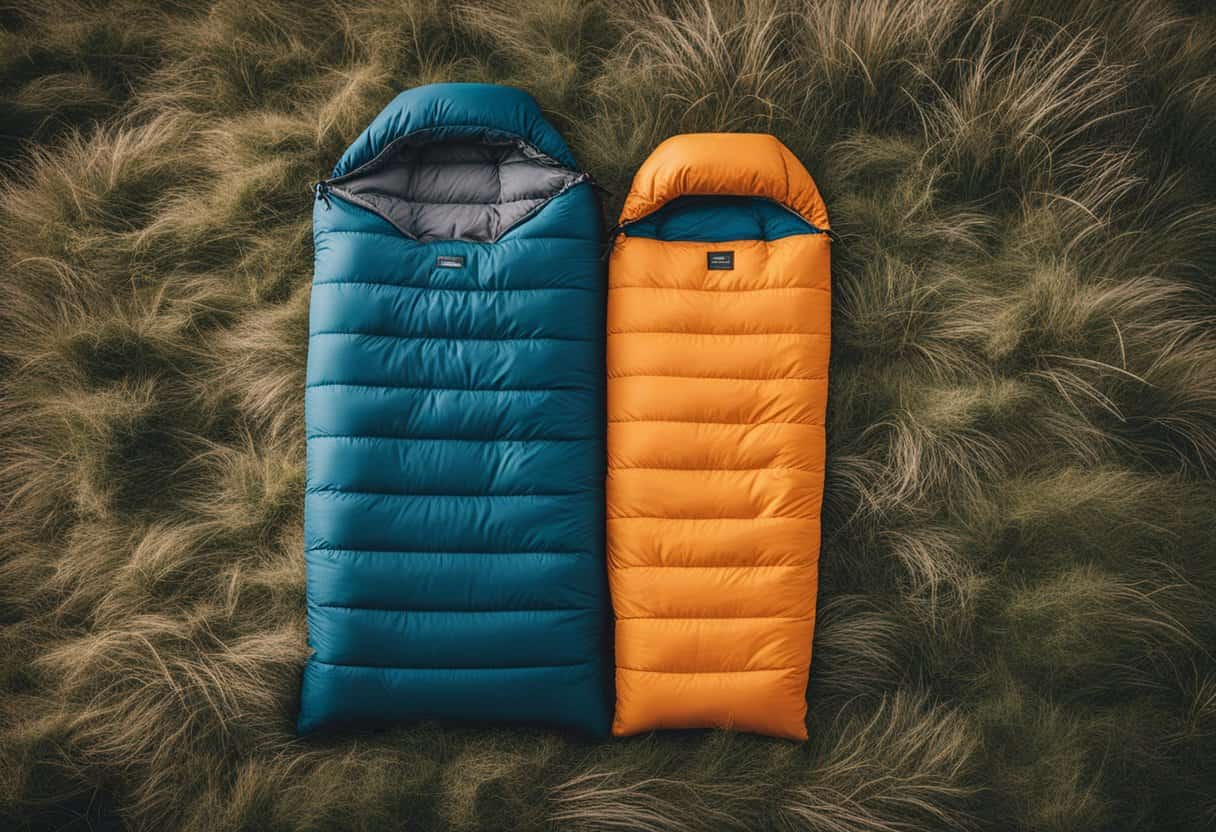
When choosing a winter sleeping bag, there are a few additional considerations and tips to keep in mind to ensure maximum comfort and warmth.
Sleeping Pad
A sleeping pad is an essential component of a winter sleep system. It provides insulation and helps prevent heat loss to the ground. Make sure to choose a sleeping pad with an appropriate R-value for the expected temperature drops. A higher R-value means better insulation and more warmth.
Sleeping Bag Liner
A sleeping bag liner can add extra warmth and help regulate moisture. Choose a liner made from a material that wicks away moisture and dries quickly. A liner can also help keep your sleeping bag clean and extend its lifespan.
Water and Moisture
Water and moisture can be a serious problem in cold weather. Make sure to choose a sleeping bag with a water-resistant or waterproof shell. Avoid breathing into your sleeping bag, as this can introduce moisture and reduce its heat retention.
Heat Loss
Heat loss can occur through a variety of channels, including conduction, convection, and radiation. To minimize heat loss, choose a sleeping bag with a hood and draft collar. These features help trap warm air and prevent cold air from entering.
Comfort Temperature
The comfort temperature of a sleeping bag is the lowest temperature at which an average person can sleep comfortably. Keep in mind that this is just a guideline, and individual preferences can vary. Choose a sleeping bag with a comfort temperature rating that matches the expected temperature drops.
Compressibility
Compressibility is an important consideration for backpackers and other weight-conscious campers. Look for a sleeping bag that compresses down to a small size and is lightweight. Keep in mind that down sleeping bags tend to be more compressible than synthetic sleeping bags.
By keeping these additional considerations and tips in mind, you can choose a winter sleeping bag that will keep you warm, comfortable, and dry in even the coldest conditions.
Finalizing Your Choice of the Ideal Winter Sleeping Bag
When it comes to winter camping or backpacking, choosing the right sleeping bag is crucial to staying warm and comfortable in extreme temperatures. With so many brands and options available, it can be overwhelming to decide which one to choose. Here are some factors to consider when selecting the best winter sleeping bag for your needs.
Comfort Rating
One of the most important factors to consider when choosing a winter sleeping bag is the comfort rating. This rating indicates the lowest temperature at which the bag will keep you warm and comfortable. If you are planning on camping in sub-zero temperatures, look for a bag with a comfort rating of at least -20°F. For milder winter conditions or autumn camping, a rating of 0°F to 20°F may be sufficient.
Brand and Cost
Brand and cost are also important factors to consider when choosing a winter sleeping bag. High-end brands like The North Face, Mountain Hardwear, and Patagonia offer top-quality sleeping bags that are weather-resistant and have a high loft for maximum warmth. However, these bags can be quite expensive. If you’re on a budget, look for affordable options like the Mountain Hardwear Bishop Pass 0 or the Marmot Lithium, which offer great value for their cost.
Down-Filled Sleeping Bag
A down-filled sleeping bag is a popular choice for winter camping because it provides excellent insulation and warmth. Look for bags with high-quality down, such as 800-fill or 900-fill power, for maximum loft and warmth. Keep in mind that down-filled bags can be more expensive than synthetic-filled bags, but they are also lighter and more compressible.
Weather-Resistant
Winter camping can be unpredictable, so it’s important to choose a weather-resistant sleeping bag. Look for bags with water-resistant or waterproof shells to keep you dry in case of snow or rain. Some bags also come with a DWR (durable water repellent) finish to help shed moisture.
Best Winter Sleeping Bags
If you’re looking for the best winter sleeping bags on the market, consider The North Face Inferno, Mountain Hardwear Phantom, Nemo Sonic, or Western Mountaineering Kodiak. These bags offer exceptional warmth, comfort, and durability in extreme conditions.
Frequently Asked Questions
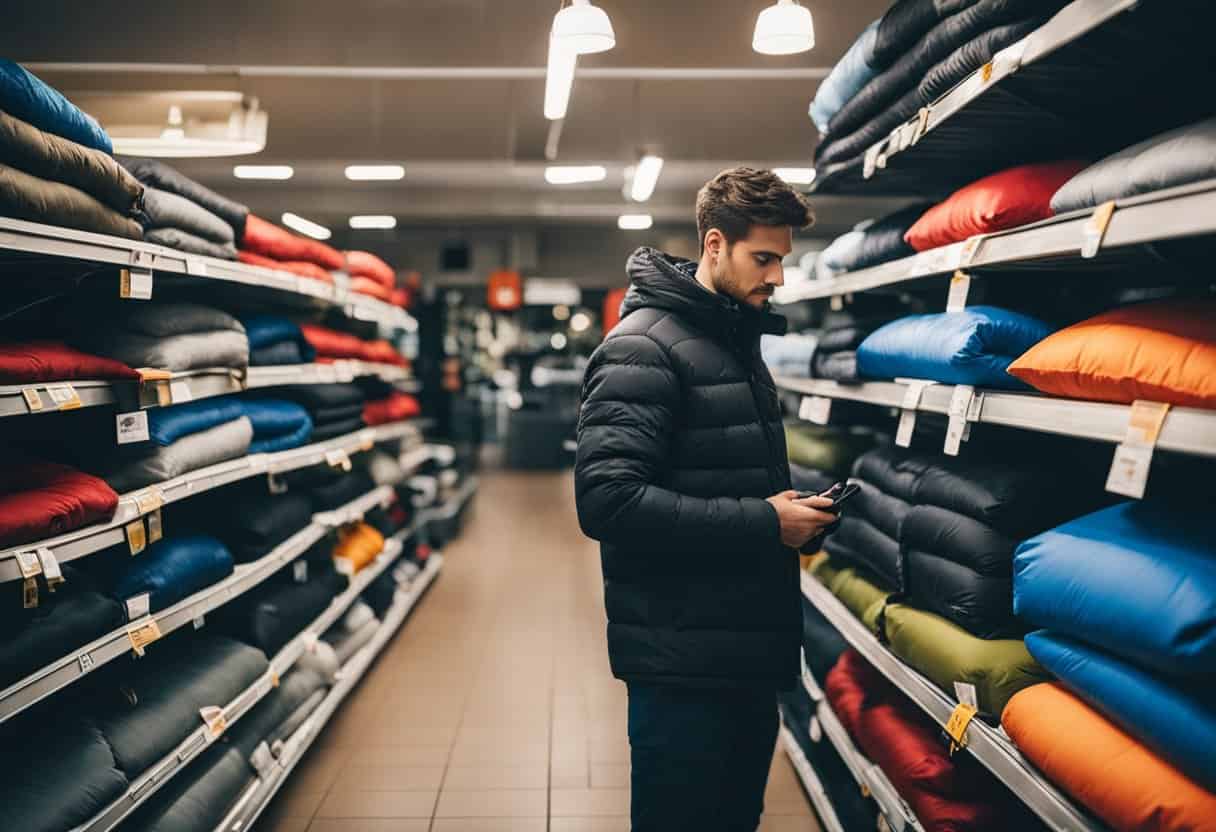
What are the factors to consider when choosing a winter sleeping bag?
When choosing a winter sleeping bag, you should consider the temperature rating, insulation type, weight, and size. Additionally, you should consider the shape of the sleeping bag and any additional features that may be important to you.
What is the ideal temperature rating for a winter sleeping bag?
The ideal temperature rating for a winter sleeping bag depends on the expected temperature range of your camping trip. It is recommended to choose a sleeping bag with a temperature rating that is at least 10 degrees Fahrenheit lower than the lowest expected temperature.
Can a summer sleeping bag be used in winter?
A summer sleeping bag is not recommended for winter camping. Summer sleeping bags are designed for warmer temperatures and do not provide enough warmth for cold winter nights.
What is the difference between down and synthetic insulation in winter sleeping bags?
Down insulation is lightweight and compressible, making it ideal for backpacking. It provides an excellent warmth-to-weight ratio and is very durable. Synthetic insulation, on the other hand, is bulkier and heavier than down insulation. However, it still provides warmth even when wet, making it ideal for damp winter conditions.
Are there any specific features to look for in a winter sleeping bag?
Some specific features to look for in a winter sleeping bag include a draft collar, hood, and draft tubes. These features help prevent cold air from entering the sleeping bag and keep you warm and comfortable throughout the night.
Is it necessary to consider the weight of a winter sleeping bag?
Yes, it is necessary to consider the weight of a winter sleeping bag, especially if you plan to backpack. However, it is important to balance weight with warmth and comfort when choosing a winter sleeping bag.

Growing up in the Pacific Northwest, we’ve always felt at home in the outdoors. We created Evergreen Adventures PNW to share our love of hiking, camping, and exploring, and to help others discover the best adventures this region has to offer. Along with trip guides and tips, we also enjoy diving into the science behind the landscapes—thanks to a background in Environmental Science—because understanding nature makes every adventure even more meaningful.