
Camping is a fantastic way to connect with nature and enjoy the great outdoors. Cooking a meal over a campfire is not just about feeding yourself; it’s part of the adventure. Yet, it comes with its set of challenges. Are you ready to handle common camp cooking mishaps that can sometimes put a damper on your experience?
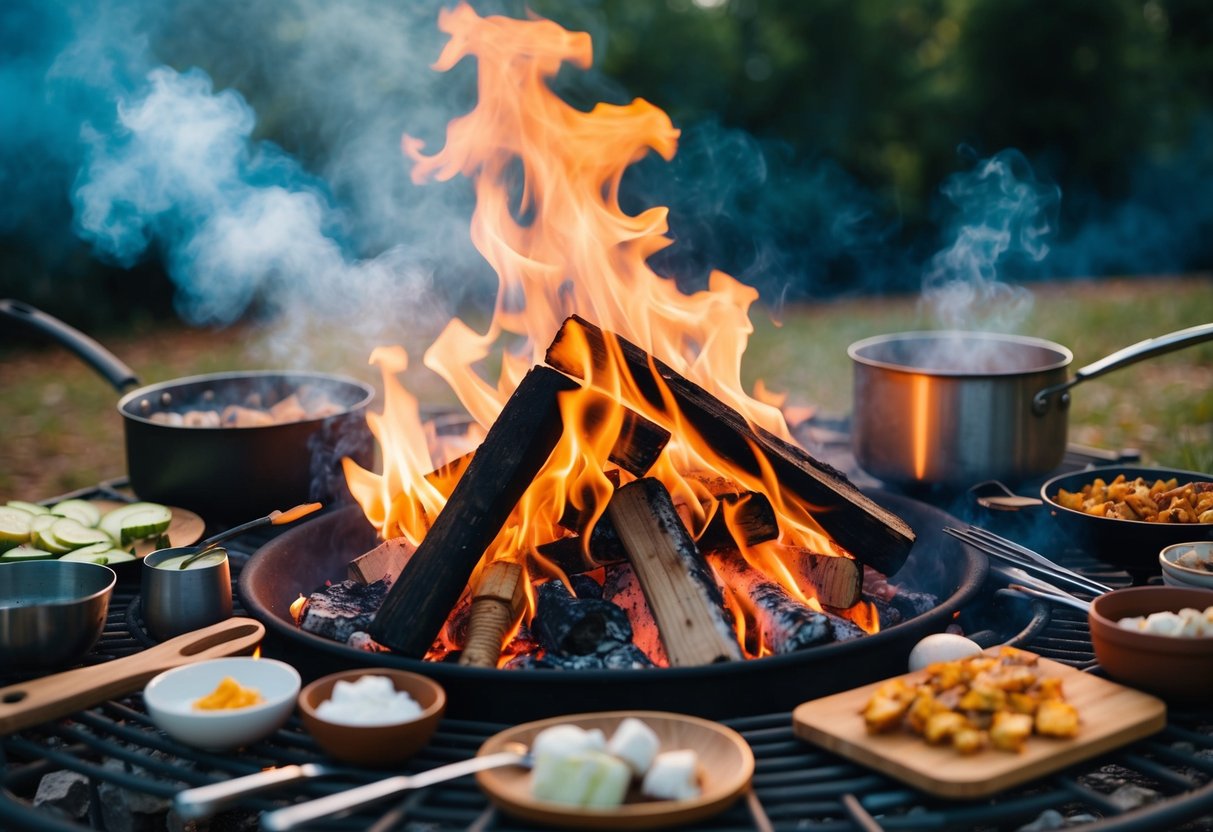
This article focuses on practical solutions that ensure you are well-prepared and can swiftly tackle issues like howling winds or unexpected downpours that threaten your culinary plans. Whether you’re a seasoned camper or heading out on your first trip, these tips aim to make your outdoor cooking smooth and enjoyable.
Prep Ingredients at Home
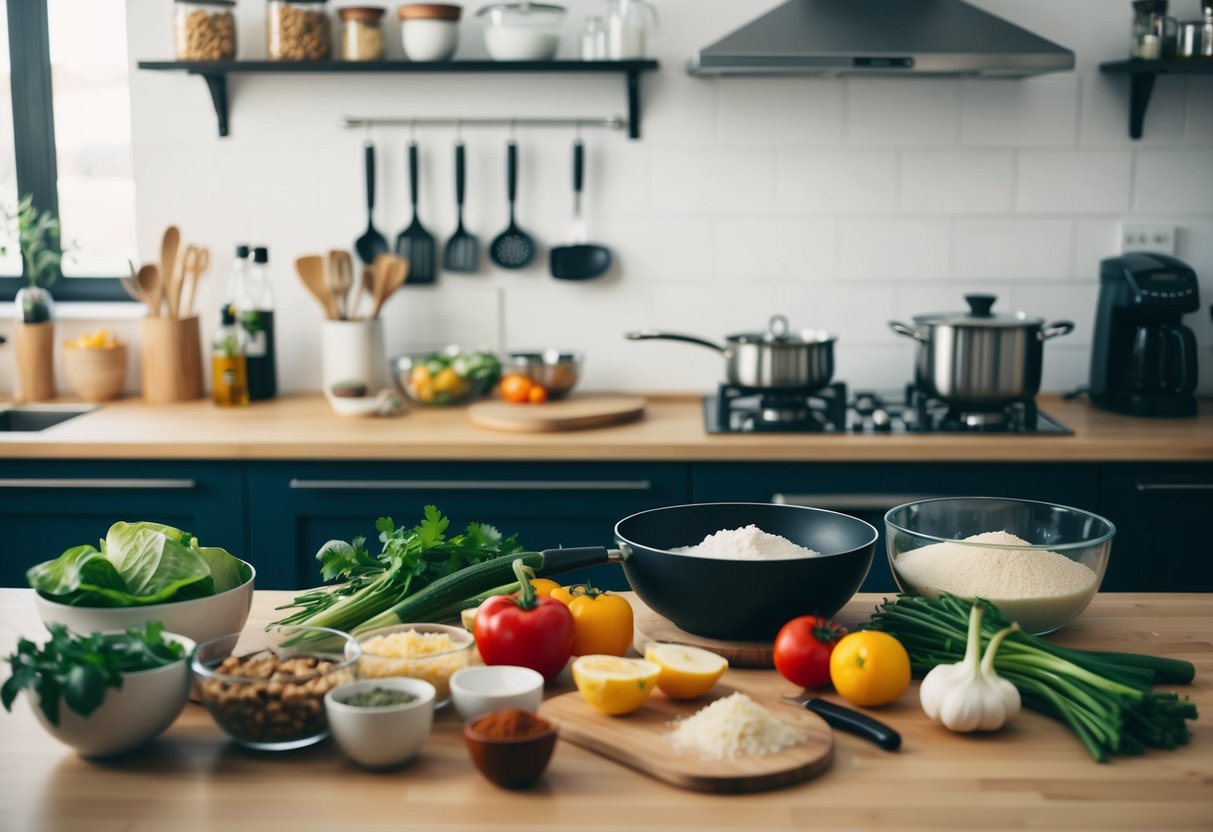
Planning meals for a camping trip can be a fun part of the adventure. Taking time to prep ingredients at home can save you from stress when you’re out in nature. This approach helps keep campsite tasks simple and mess-free. It’s like doing the laundry before a vacation—less to worry about later!
You might want to start by chopping vegetables or marinating meats at home. Once packed, they’re ready to be cooked over the campfire. This way, you won’t have to deal with knives or cutting boards in the wild—and less chance of dropping that pesky onion into the dirt.
Consider pre-measuring spices and oils too. Storing them in small containers can prevent spills and make your cooking kit lightweight. Think of it as preparing your favorite at-home recipe but adapting it for the great outdoors. Plus, it helps you stick to your meal plan without forgetting the key ingredients.
If you love foil-packet meals, try wrapping them up before you leave. The search results mention the idea of foil dinners being simple and tasty, showing how prepping in advance makes campside cooking both quick and delicious. While you’re at it, don’t forget some foil-wrapped pizzas; these can transform a singed cheese mishap into a culinary win.
Using freezer-safe zippered bags is another smart hack. They work great for organizing meals and snacks and can double as a trash holder later. These bags help maintain order in your cooler and let you grab exactly what you need without digging around in cold chaos.
Prepping food at home means you get to enjoy more time by the campfire and less time fiddling with meal prep. By making your campsite kitchen efficient, you’re free to focus on relaxing and soaking up nature. Happy camping!
Bring a Compact Grater
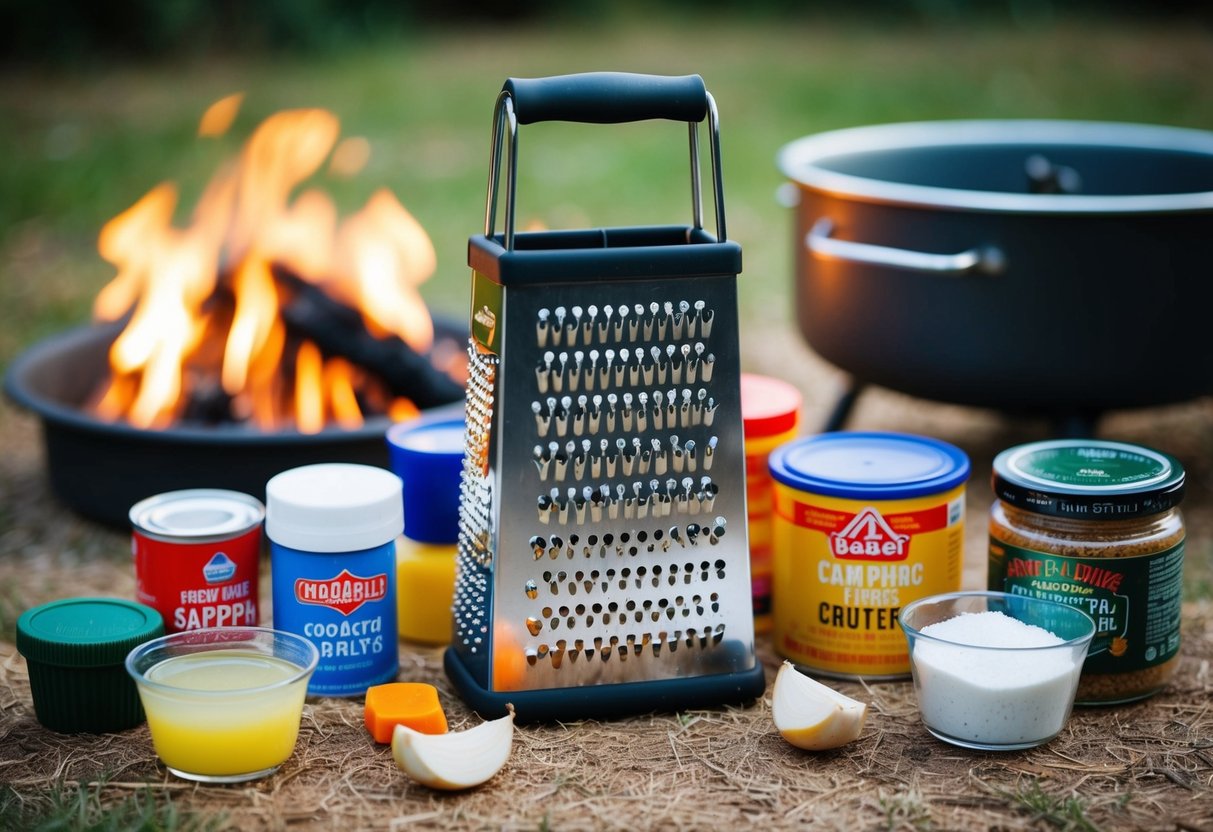
When you’re out camping, thinking about food prep might not be at the top of your list. But a compact grater can really make a difference. It’s small, lightweight, and can do more than you think. What if you want some fresh zest or need to grate some cheese? This little tool comes in handy.
A compact grater is perfect for adding flavors to your meals. You might want to grate some lemon zest over grilled fish or sprinkle some cheese over a bowl of chili. Suddenly, your simple camp meal tastes a lot better! It’s these little touches that make a big impact on your cooking.
You won’t need to pack a giant kitchen grater. These compact ones are space-friendly, and some are even foldable. They easily fit into your camping cookware or bag. You’ll find it doesn’t take a chef to make a meal special. You just need the right tools, even while camping.
Another perk is that compact graters are easy to clean. You don’t want to spend your time scrubbing pots and pans in the wild. With a quick rinse, they are ready to be used again. What’s not to love about that?
If you’re a coffee lover, you can even use a compact grater to shave chocolate over your campfire brew. Imagine enjoying that as you watch the sunrise. With a compact grater, you keep meals exciting and practical. Who said camp food has to be boring?
Use Foil Packs for Easy Cleanup
Cooking at the campsite doesn’t have to mean a big mess. Have you ever tried foil packs? They’re an easy way to whip up a tasty meal without worrying about the cleanup. With foil packs, you can enjoy your meal right around the campfire with less hassle.
To get started, pack your favorite ingredients in a foil packet. Think of foil as your portable oven. Vegetables, meats, and even spices can fit inside. Seal it up tightly to keep all the flavors in while cooking.
Not only do foil packs contain all your delicious ingredients, they also keep all the juices and flavors locked in. When you’re done, just toss the foil.
Want to add a twist to your meals? Try adding herbs and seasonings! These spices will enhance the flavors. You’ll be surprised how adding a sprinkle of rosemary or a dash of garlic powder can elevate your dish.
For best results, make sure your campfire has some good hot coals. Place the foil pack directly on them. If you’re using a grill, aim for 375-400°F. This will help cook everything evenly without burning.
Foil packs aren’t just for dinner. Breakfast and dessert options are countless too! From scrambled eggs with veggies in the morning to apple cinnamon packets for dessert, the possibilities are endless. This method makes trying new campsite meals fun and simple.
Whether you’re new to camping or a seasoned pro, using foil packs is a smart choice. Give it a go on your next trip and see how easy it can be to enjoy a delicious, mess-free meal.
Invest in a Campfire Tripod
When you’re camping, one of the best tools you can bring along is a campfire tripod. It’s like having an extra pair of hands to hold pots and pans over the fire.
A tripod is great because it keeps your cooking gear stable. No more worrying about your pot tipping over and spilling dinner into the fire.
Campfire tripods are easy to set up. Most of them come in compact designs that you can quickly assemble. They’re perfect for campers who want a hassle-free cooking experience.
Consider the weight capacity of the tripod. Make sure it can handle the weight of your heaviest cooking vessel. It’s better to be safe than sorry.
These tripods are made from strong materials like steel. Steel is durable and can withstand high temperatures. This means your tripod will last through many camping trips.
Using a tripod can also make cooking safer. You won’t have to worry about burns from handling hot pots directly on the fire. Using heat-resistant gloves is a good idea, too!
A tripod allows you to adjust the height of your pot over the fire. This gives you more control over the cooking process. You can lower it to simmer or raise it to boil faster.
Some tripods even come with extra features like hooks for hanging a Dutch oven. This lets you explore more cooking options while camping.
Carry a Spice Kit
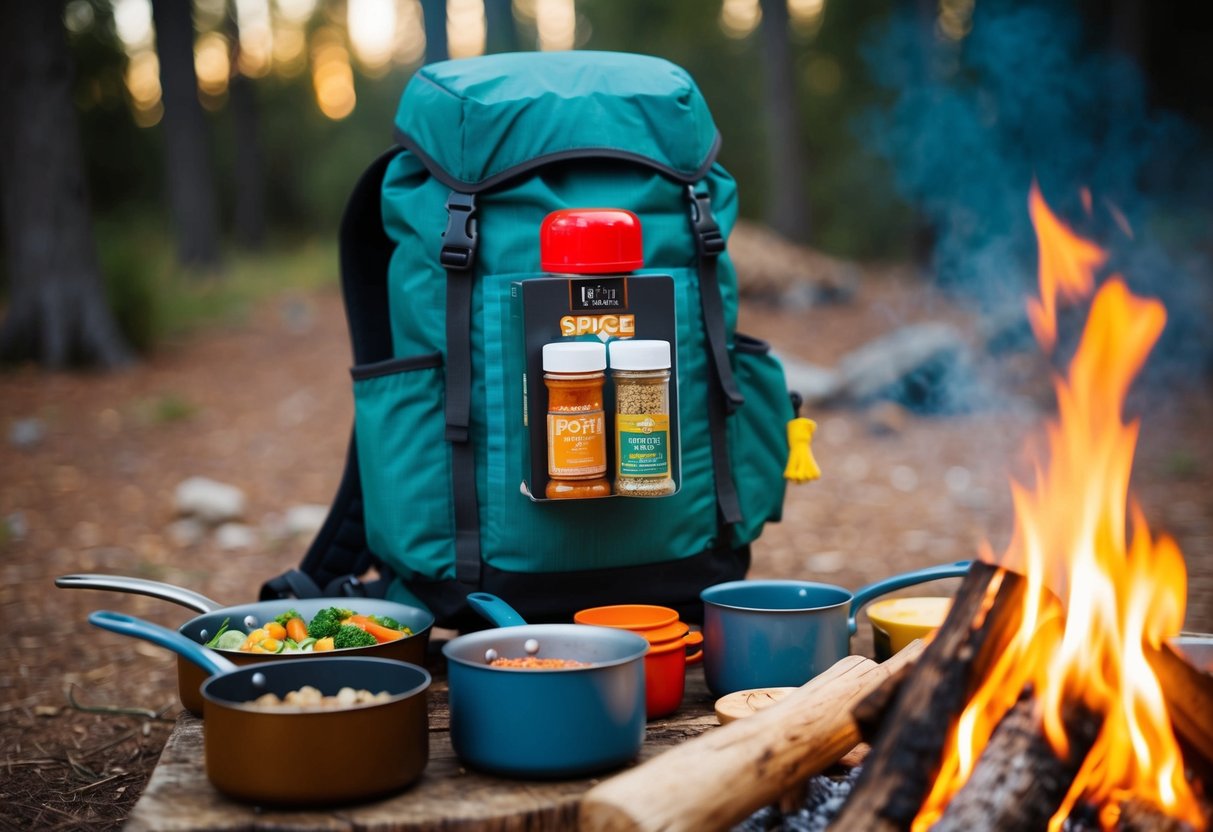
Spices can make your camping meals a lot tastier. When you’re out in the wild, you might miss the flavors of home-cooked meals. Bringing a spice kit can solve this. You don’t need to carry your entire spice rack. Just pack a few that you really love.
Consider using small containers. These are perfect because they don’t take up much space. Think about using zipper bags, film canisters, or even pill organizers for your spices. Each option keeps your spices organized and safe from spills.
Choose spices wisely. Popular choices include salt, pepper, garlic powder, and paprika. You can also create small blends for specific cuisines. Try making an Asian blend, or a blend for your taco nights. Mixing spices at home saves space and time when you’re cooking.
Avoid glass containers. They’re heavy and can break easily. Opt for durable plastic instead. It’s lighter and safer. If you’re an RV camper, find a little spot for your spice tray. This keeps everything in one place and ready to use.
Remember to keep spices fresh. Store them in a cool, dry place. This helps maintain their flavors during your camping trip. Also, make sure that the lids or seals are tight, so the spices don’t spill or lose their aroma. Carrying a small, well-organized spice kit can elevate your outdoor cooking.
Opt for Instant Rice or Pasta
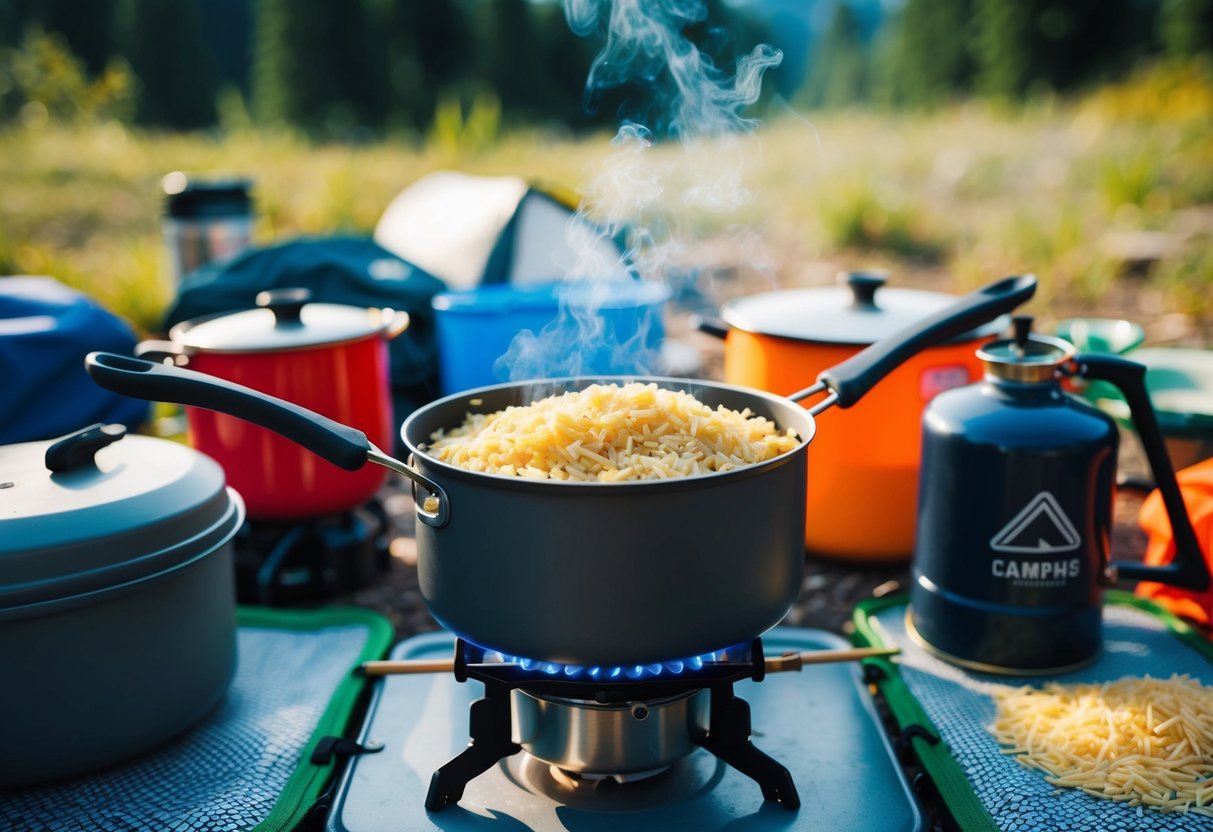
Heading out for your next camping trip? When it comes to camp cooking, instant rice and pasta can be your best friends. They save time, reduce mess, and still deliver a satisfying meal. No one wants to spend hours cooking in the wilderness, right?
Instant rice is pre-cooked and then dehydrated, making it quick to prepare, often in just 1-7 minutes. It’s super convenient, especially after a long day of hiking. It’s lightweight, which makes it easy to carry with you. Though it can be a bit pricier than regular rice, the time saved often makes it worth it.
Pasta is another excellent choice for camp cooking. It’s familiar, easy, and versatile. Think of all the combinations you can create with just a few ingredients! Instant or quick-cook pasta can significantly cut down your cooking time, allowing you more time to explore and relax.
On your camping stove, prepare instant rice or pasta by following package instructions. Both typically require just water and heat, and they cook in no time. For variety, throw in some dried herbs or spices—whatever you can carry without hassle.
If the simplicity of instant foods appeals, you’re not alone. Many campers are turning to these quick methods to make meal prep a breeze. So next time you’re packing, don’t forget the instant rice or pasta! It might just become your go-to for camping meals.
Pre-Make Pancake Mix
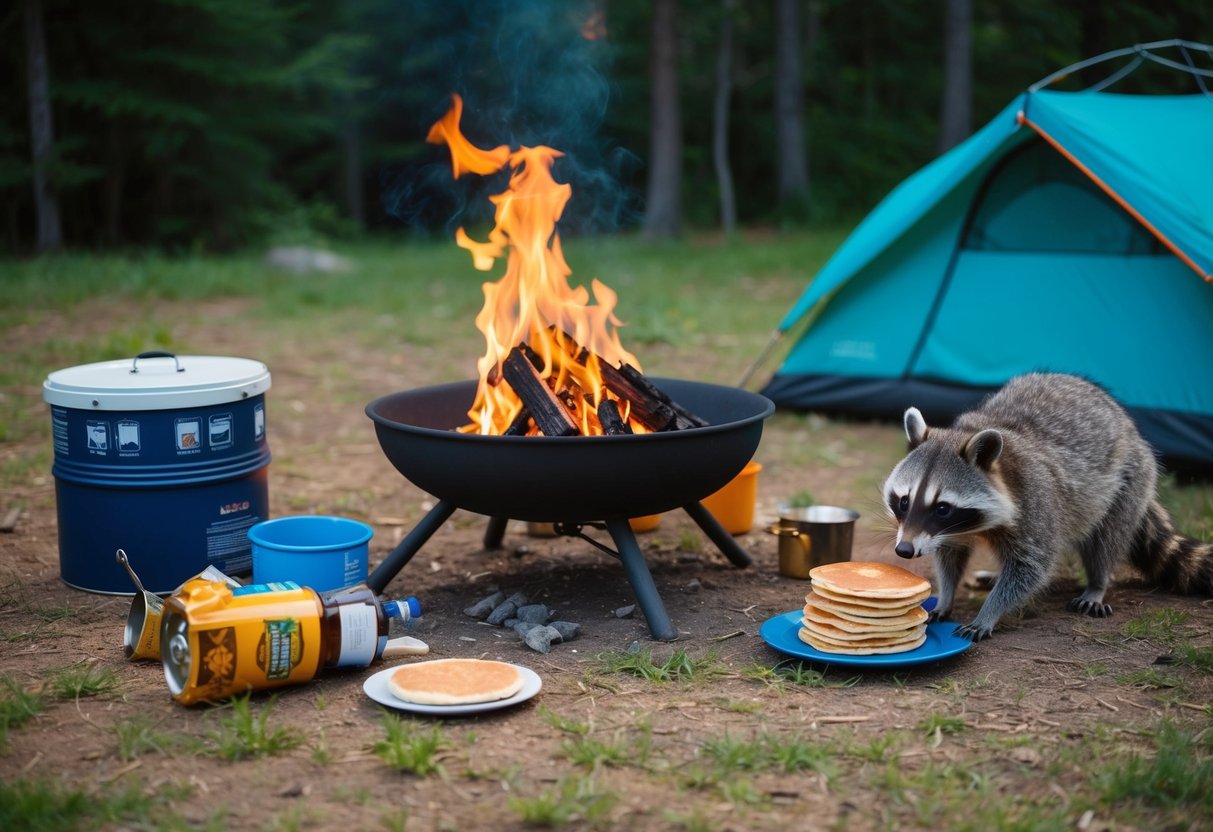
Prepping your pancake mix at home can save you time and hassle when cooking at camp. Instead of lugging around various ingredients, try using this simple trick.
First, get a large zip-top plastic bag. This will be your mixing bowl and storage container all in one. At home, measure and pour in all the dry ingredients your recipe calls for.
This might include flour, baking powder, sugar, and a pinch of salt. Seal the bag and shake it up to mix everything well.
Packing your ingredients this way helps you avoid messy spills in your backpack. Once you’re at your campsite, all you’ll need to add are the wet ingredients.
You can crack an egg and add liquid like milk or water right into the bag. Mix it up by kneading the bag gently in your hands.
Cut a small corner off the bag to pour your batter directly onto the hot pan or griddle. This method makes it easy to control the flow and reduce clean-up.
This pancake mix hack is a game-changer for your breakfast routine. You’ll impress your campmates with how quickly you can get breakfast ready. Plus, you can experiment by adding extras like cinnamon or chocolate chips to your dry mix.
Give it a shot, and you might never go back to the traditional mixing bowl! Preparing your mix ahead of time lets you focus on enjoying the great outdoors, rather than stressing about your meal prep.
Cook Over Coals for Even Heat
Cooking over coals is a fantastic way to get that even heat, which is great for many campfire meals. Unlike the open flames, coals provide a more stable cooking temperature. If you’ve ever burned your marshmallow or made a half-raw-half-charred burger, you know what I mean!
Making a bed of coals is pretty simple. You start by letting the fire burn down until you have glowing embers. The trick is patience—waiting until the flames are gone and the coals are nice and hot. You can use a stick to spread them out for an even surface.
Want to grill a steak with beautiful sear marks? Lay a grate over the coals. For evenly cooked foods like veggies or chicken, place them right on the grate. This method helps to avoid burning and ensures everything cooks through. Quick tip—use tongs to shift coals as needed.
If you’re preparing a dish like a stew or soup, go for indirect heat. This means moving the pot away from the main heat source. A tripod can be handy here, hanging your pot so it doesn’t sit directly on the coals.
Ever tried foil packets? With coals, they cook food evenly, and they’re super fun for compact meals. Just wrap your ingredients in foil and place them on the coals. They’re perfect for softening veggies or melting chocolate over bananas.
Whether you’re a camp cook pro or still learning, embracing the coal method can take your skills up a notch. It creates steady heat, perfect for a range of recipes. Give it a try next time you’re out in the wild!
Try One-Pot Dishes
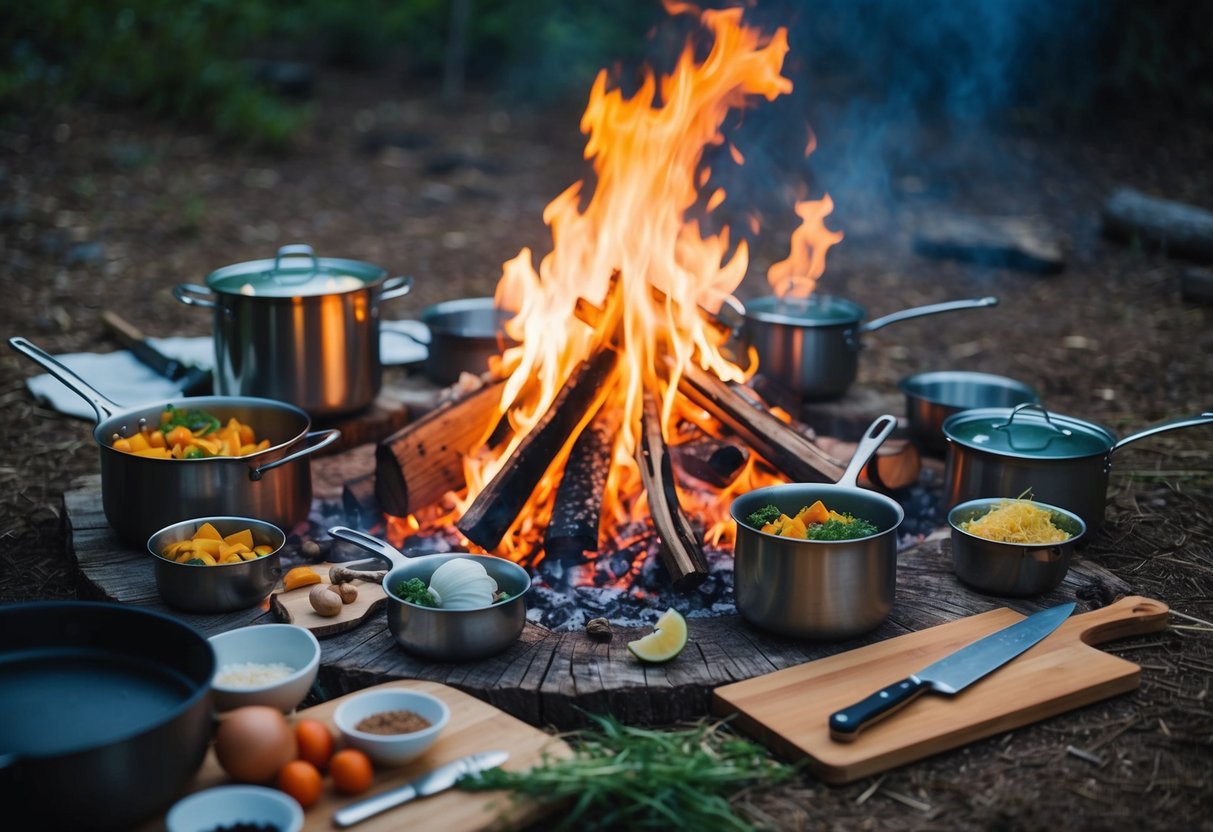
When you’re at the campsite, trying to deal with lots of pots and pans can be a real headache. Consider one-pot meals as a great solution to simplify your camp cooking. They’re convenient, require less cleanup, and can be deliciously satisfying.
Think about meals that need just a few ingredients. For example, pasta dishes, stews, or rice-based meals can easily be made in one pot. Not only are they quick to prepare, but they also keep your packing list light. Plus, fewer dishes mean more time to enjoy the outdoors.
Getting started with one-pot dishes doesn’t have to be complicated. Use store-bought rice or pasta mixes as a base, and add some fresh or canned veggies. You can also pack precooked meats or tofu for some added protein. With little effort, you’ll have a hearty meal ready in no time.
Remember, planning is key. Before you go, portion out your spices in small containers to make cooking faster once you’re at the campsite. This little tip can save you time and space, both in your backpack and in your cooking process.
Try experimenting with popular one-pot recipes like chilaquiles, beef stroganoff, or a coconut red lentil stew with kale. Each of these dishes can be made in under 30 minutes. They’re nutritious and comforting after a long day of outdoor activities.
The best part? You won’t have to spend the evening scrubbing pots and pans. Instead, you can relax by the fire, satisfied with your smart and tasty meal choice. So pack those one-pot meal ingredients, and get ready for a stress-free camp cooking experience!
Understanding Heat Control
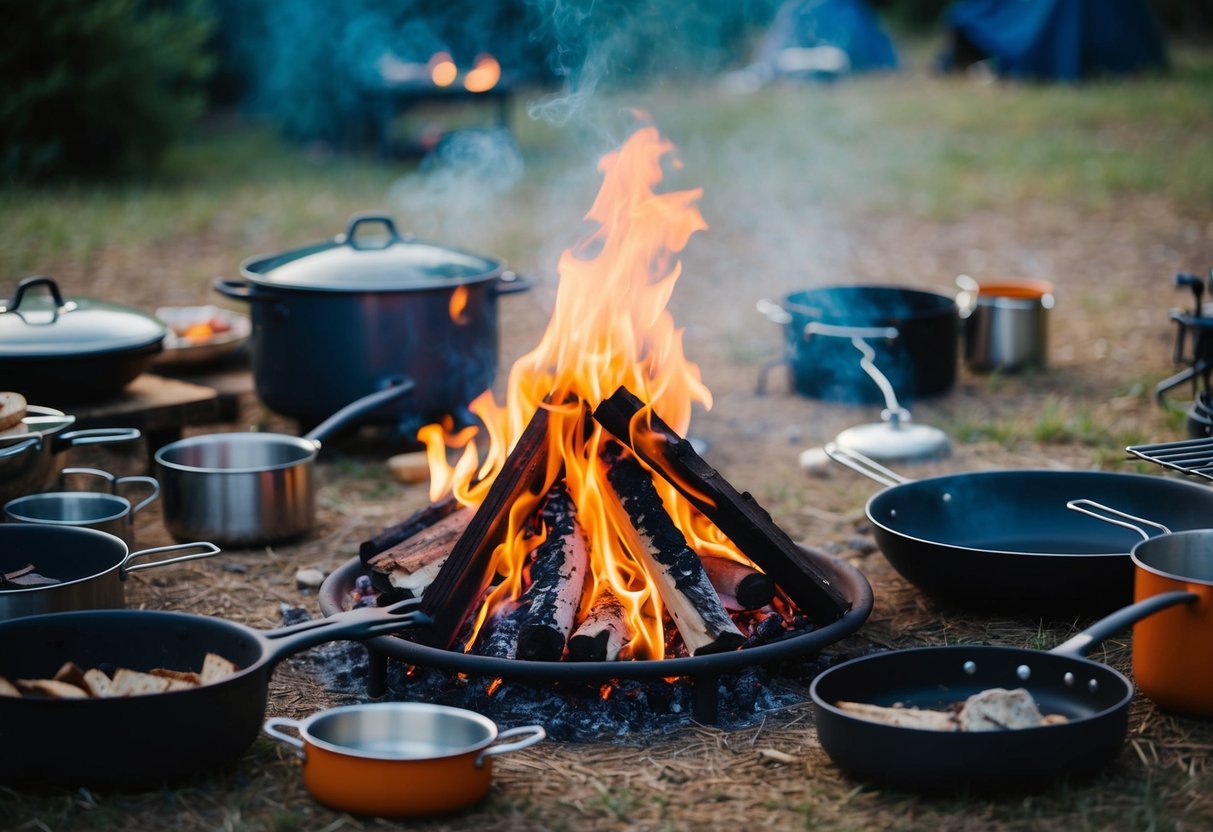
Mastering heat control when you’re cooking away from a full kitchen isn’t always easy, but it’s essential. Whether you’re using a camp stove or an open fire, getting it right can make the difference between a perfect meal and a culinary mishap.
Differences Between Camp Stoves and Open Fires
Have you noticed how cooking on a camp stove differs from using an open fire? Camp stoves offer precise heat control with knobs or buttons, allowing you to adjust the flame easily. They’re great when you want to cook more delicate dishes or when you’re in a hurry. Open fires, on the other hand, need a bit more attention and skill. You have to manage the wood or coals to increase or decrease the heat, which can be less exact.
When using an open fire, stacking different-sized logs or rocks can help direct the heat where you need it. Placing a kettle on a camp stove is as easy as turning up the dial. But over a fire, you might use a tripod or grate. Both methods have their advantages, so choose based on your cooking needs and the time you have.
Maintaining Consistent Temperatures
Ever tried keeping your temperature steady while cooking in the wild? Consistent heat is crucial if you want everything cooked evenly. On a camp stove, setting the flame to medium can usually keep things steady. You can easily adjust the heat if something starts boiling over or isn’t cooking fast enough.
With an open fire, things are a tad trickier. The fire’s intensity can change based on wind and wood type. Arrange coals in a single layer for even heat. If you’re baking or making something sensitive to temperature changes, it’s smart to have more coals ready to add if needed.
Efficient Meal Preparation
Getting meals ready for camping can be straightforward with a few smart strategies. By preparing ahead of time and choosing versatile tools, you can cut down on effort and enjoy more time outdoors.
Pre-Camping Prep to Save Time
Before you leave for your trip, spend some time preparing your meals at home. Chop veggies, marinate meats, and pack them in resealable bags for easy storage and transport. This not only saves time but reduces the need for a large kitchen setup at camp.
Tip: Use a reusable spice container to portion spices ahead of time. This minimizes the hassle of carrying multiple jars. You can have your spices ready for recipes like Chilaquiles or Beef Stroganoff.
Another smart idea is to cook and freeze meals beforehand. Planning ahead allows you to simply heat these meals over a campfire or stove. Prepping this way can save you effort and give you more time to relax and explore!
Multi-Purpose Cooking Tools
Selecting cooking tools that serve more than one function can make your camping kitchen more efficient. A cast iron skillet, for instance, can be your go-to for frying, baking, and grilling. It works well over a campfire or an RV stove.
Consider a Dutch oven for its versatility. It can be used to cook stews, bake bread, or even make a dessert. This tool lets you cook a variety of meals without needing a full array of pots and pans. It’s a small investment that pays off.
Add a pie iron or roasting sticks for fun additions. Kids love using them for roasting marshmallows or making campfire sandwiches. Each item adds value to your packing by providing multiple uses while keeping the gear list light.
Frequently Asked Questions
Cooking while camping can come with its own set of challenges, from forgotten gear to unpredictable campfires. Here are some practical solutions to help you manage common mishaps.
What are some quick fixes for common cooking mishaps while camping?
If you forgot to prep ingredients at home, consider using a compact grater for fresh flavors. For easy cleanup, go with foil packs. They’re perfect for quick meals with little mess. Misplaced spices? A small spice kit comes in handy for adding flavor to any dish.
Any tips for dealing with weather-related cooking challenges at the campsite?
Unpredictable weather can be tough. Investing in a campfire tripod can help keep your food cooking at the right height even in windy conditions. Make sure to have a backup cooking method, like a portable stove, in case the weather gets too rough for a campfire.
How can you manage food safety and avoid spoilage when camping?
Keep perishables in a cooler with plenty of ice. Regularly check the ice to ensure it stays cold. Separate raw and cooked food to avoid cross-contamination. Don’t forget a meat thermometer to ensure food reaches a safe temperature.
What should you do if you forget essential cooking gear at home?
It happens to the best of us. You can often improvise with what you have. Forgot a pan? Try cooking directly on clean rocks or foil. Get creative with your gear, like using a stick to skewer meat or veggies for grilling.
Can you suggest some versatile camping recipes that require minimal equipment?
Try foil-pack meals with protein, veggies, and seasoning. They’re simple and versatile. One-pot pasta dishes are also easy to make with just a single pan. Don’t forget about sandwiches and wraps for quick, no-cook lunch options.
How do you handle cooking over an inconsistent campfire?
Cooking over an inconsistent campfire can be tricky. You can keep an eye on the flames and adjust your cooking distance with a tripod or grate. You can also use metal skewers or griddles for uniform cooking. If the fire becomes too unpredictable, consider a portable stove for backup.
Growing up in the Pacific Northwest, we’ve always felt at home in the outdoors. We created Evergreen Adventures PNW to share our love of hiking, camping, and exploring, and to help others discover the best adventures this region has to offer. Along with trip guides and tips, we also enjoy diving into the science behind the landscapes—thanks to a background in Environmental Science—because understanding nature makes every adventure even more meaningful.