
Exploring the great outdoors is an exciting adventure, and having the right food can make all the difference. If you’re planning a camping trip, you might be wondering about meal options that will provide the energy you need. Plant-based proteins are a fantastic choice for camping meals because they’re not only nutritious but also easy to pack and prepare. They offer the perfect blend of convenience and health, keeping you fueled for your outdoor activities.
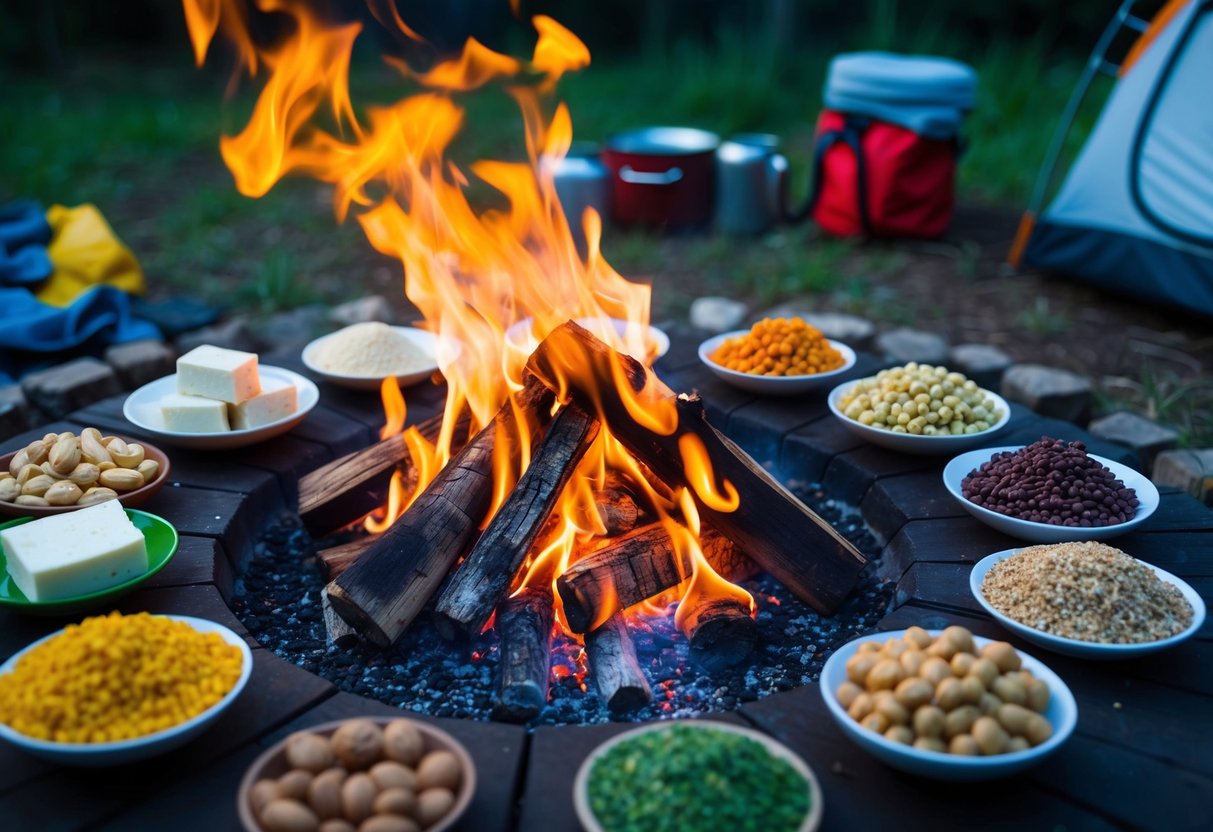
The great thing about plant-based proteins is their versatility. Whether you’re hiking up a mountain or camping by a lake, these foods can be adapted to suit any setting. Even if you’re not strictly vegan or vegetarian, incorporating plant-based meals into your cooked meals can add variety and flavor to your outdoor diet. It’s about feeling nourished and ready to conquer your next adventure with enthusiasm and a satisfied stomach.
As you plan your camping experience, knowing what to pack can make the journey more enjoyable and sustainable.
Chickpea Salad Sandwiches
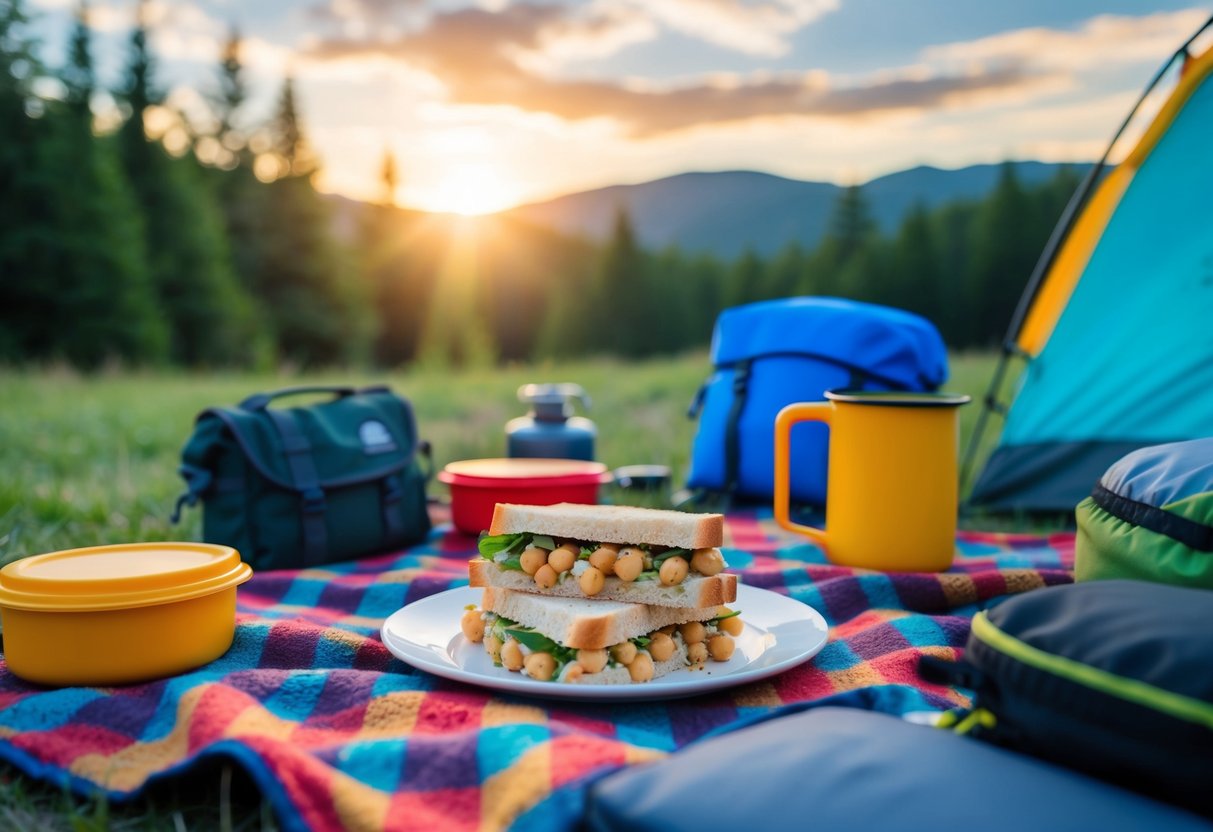
Ever wondered how to take a classic lunch option like chickpea salad sandwiches and turn it into the perfect camping meal? Chickpeas are not only a great source of plant-based protein, but they’re also super easy to pack and prepare while you’re on the go.
Think about a mix of mashed chickpeas, creamy ingredients like yogurt or avocado, and your favorite spices. It’s a blend that not only satisfies your taste buds but is also filling enough for outdoor adventures. Add a squeeze of lemon juice and some chives for that fresh burst of flavor.
You can customize your sandwich by adding extra ingredients like caramelized onions or even a pinch of nutritional yeast for a savory twist. Who said you can’t experiment while camping? Pair your sandwich with some crunchy chips or fruit for a balanced meal.
Use whole-grain bread or a wrap to hold everything together. It’s portable and won’t get soggy easily. Perfect for day hikes or lounging around the campfire, don’t you think? Plus, you won’t need any special kitchen tools. A simple fork can do most of the mashing work for you!
Lentil Tacos
Do you love tacos but want to try something plant-based? Lentil tacos are a delicious choice for your camping adventures. Lentils are a great source of protein, boasting about 25% protein by weight. This makes them perfect for vegetarians and vegans who want a hearty meal while exploring the great outdoors.
To make lentil tacos, you’ll need some simple ingredients: canned lentils, spices, and a selection of your favorite taco toppings. Sorting and rinsing the lentils is important to remove any debris or small pebbles.
Don’t skip blooming the spices in the pan first. This step gives the spices a stronger flavor, enhancing your taco experience.
Want an extra twist? Try mashing some of the lentils. This creates a texture similar to ground beef and makes the tacos even more satisfying.
Once your filling is ready, simply spoon it into taco shells. Add toppings like salsa, avocado, or lettuce.
The beauty of lentil tacos is their flexibility. They’re easily customizable based on what you like and what you have on hand. Plus, with lentils being high in both fiber and protein, you’ll stay full longer, leaving you more energy for adventures.
Quinoa Stuffed Peppers
When you’re camping and need a delicious, protein-packed meal, quinoa stuffed peppers are a perfect choice. These hearty peppers are not only tasty but also easy to prepare. Plus, they’re great for both vegetarians and meat-eaters.
First, get your ingredients ready. You’ll need bell peppers and quinoa. Quinoa is awesome because it’s a complete protein, offering about eight grams per cup. Add black beans too, which have about 15 grams of protein per cup. Just imagine how much energy you’ll have for hiking and exploring!
Prep is straightforward. Hollow out your bell peppers, making them ready for the filling.
Cook quinoa and black beans together with some spices for flavor. Chop any veggies you like to mix in—onions, garlic, or tomatoes work well.
Now, fill the peppers with your quinoa mixture. You can top them with your favorite goodies, like salsa or avocado slices. And don’t forget: these can be made in a baking dish or even over a campfire if you’re feeling adventurous.
Finally, bake or grill until the peppers are soft. Quinoa stuffed peppers are not only nutritious but also freezer-friendly. So, you can make them ahead of time and bring them along for your outdoor adventures.
Tofu Stir-Fry Packs
Wondering what to eat under the stars? Tofu stir-fry packs are a fantastic idea to elevate your camping menu. They are not only easy to prepare but also packed with plant-based protein. Best of all, you can customize them to your heart’s content!
Start with some firm tofu. Tofu is an excellent choice for camping because it’s lightweight and stores well in a cooler.
Slice it into small cubes — about eight ounces should do for two servings. Marinate it with a simple mix of soy sauce, sesame oil, and a dash of chili-garlic paste.
Next, choose your veggies. Bell peppers and onions work great since they’re sturdy and won’t spoil quickly. Chop them up at home to save time at your campsite.
You might try adding a few handfuls of other vegetables like broccoli and baby corn for added crunch and nutrition.
When it comes to cooking, all you need is a skillet over your campfire or portable stove.
Heat up some vegetable oil, toss in your tofu, and let it brown slightly. Add the veggies, stir, and cook until everything is tender. It makes for a colorful and delicious meal.
To make your meal even more filling, consider preparing a side of rice. You can cook it ahead of time and pack it in a resealable bag. When you’re ready to eat, just throw it into the stir-fry for a quick and satisfying dish.
Feel free to experiment with additional flavors. A sprinkle of ginger or a hint of maple syrup can add a new dimension to your tofu stir-fry packs. Plus, they’ll make your friends ask for the recipe!
Spicy Black Bean Burgers
Have you ever tried black bean burgers? They’re a yummy plant-based option for your camping menu. Imagine sitting around the campfire, flipping these hearty patties. They’re packed with flavor and quite easy to make. Plus, you can prepare them ahead of time, so you have more fun and less work when you’re at your campsite.
To start, you’ll need a can of black beans. Mashed black beans create the perfect base for your burger. Use a potato masher or fork. Mashing helps hold the patties together and gives them that satisfying texture.
Now, let’s bring in the flavor. Add corn, breadcrumbs, and some sautéed onions and garlic. These guys aren’t just tasty but also full of plant-based protein.
Feel free to toss in some spices to heat things up. A little chili powder or cumin can make them even more exciting.
Form your mixture into patties before you go. Shape them into consistent sizes; it helps them cook evenly. Pack them in a cooler so they’re ready to grill when you set up camp.
Black bean burgers aren’t just for vegetarians. They’re a crowd-pleaser, even among meat-lovers. Once cooked, pile them on a bun and layer on your favorite toppings like avocado or spicy mayo. Now doesn’t that sound like a perfect meal under the stars?
Pumpkin Seed Energy Balls
Imagine you’re hiking and suddenly crave something delicious and energizing. That’s where pumpkin seed energy balls come to the rescue! These tasty snacks are packed with nutrients and are easy to make. Plus, they’re a fun way to use the powerhouse of nutrition: pumpkin seeds.
Pumpkin seeds, also known as pepitas, are an excellent source of magnesium and zinc, which are essential for staying energetic on your adventures. They’re also a great vegan option if you’re following a plant-based diet.
To make these energy balls, you just need a few simple ingredients.
Start with pumpkin puree — but make sure it’s pure pumpkin, not pie filling! This adds a soft texture and lovely flavor. Mix in some rolled oats to keep everything together. Oats are a quick energy provider, which is perfect when you’re on the move.
Add almond or sunflower seed butter to bind the ingredients. You can even throw in a pinch of salt for a flavor boost.
If you’re in the mood, sprinkle in some mini chocolate chips or dried cranberries for a tasty treat. This combo turns your energy balls into bite-sized powerhouses that will keep you going.
These no-bake wonders can be prepared in minutes and stored easily for your trips. Just roll them into small balls, pop them in a container, and you’re good to go! They’re healthy, delicious, and exactly what you need for your next adventure.
Hemp Heart Trail Mix
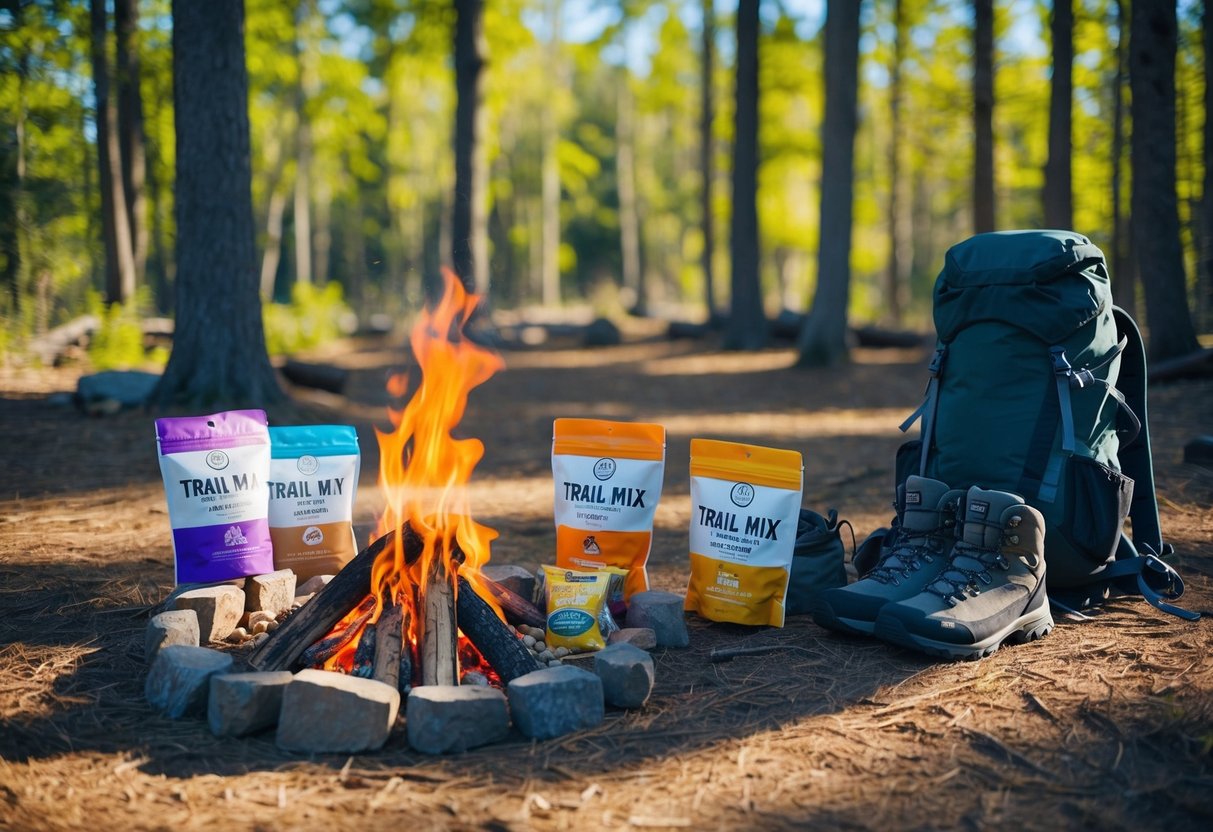
Have you ever tried adding hemp hearts to your trail mix? They might become your new favorite ingredient! Hemp hearts are packed with plant-based protein, making them a great choice for long hikes or camping trips.
Mix hemp hearts with your favorite nuts and seeds like almonds, cashews, or sunflower seeds. This creates a protein-rich, energy-boosting mix.
Add some dried fruits such as cranberries or raisins for a touch of sweetness.
Want something crunchy? Toss in some pretzels or rice cakes. They add a nice texture that keeps things interesting.
If you’re craving a sweet treat, a few dark chocolate chips could do the trick.
In addition to protein, hemp hearts are full of healthy fats like omega-3 and omega-6 fatty acids. These nutritional powerhouses help keep your energy levels stable and provide essential nutrients during your adventure.
The best part is you can customize your trail mix to fit your taste. Whether you like it sweet, salty, or a little bit of both, the choice is yours!
And don’t worry about running out of energy on the trail. With hemp hearts in your mix, you’ll have all the fuel you need. Prepare a batch before your next trip, and you’re ready to go!
Edamame Pita Pockets
Imagine biting into a warm, soft pita stuffed with savory goodness. Sounds amazing, right? Edamame Pita Pockets are perfect for your camping adventures. The star of these pockets is edamame, those little green gems that pack a punch of plant-based protein.
Why edamame? These young soybeans contain about 10 to 19 grams of protein per 100 grams. Plus, they’re full of vitamins like K, iron, and fiber. You get a nutritious boost while enjoying the great outdoors. It’s like your secret weapon for keeping up your energy levels during a hike.
Let’s talk preparation. First, grab some dried or fresh edamame and give them a good steam until they’re tender. This takes about 5 minutes—super quick!
Once steamed, toss them with a little salt, pepper, and a squeeze of lemon juice for a fresh zing.
Ready to fill your pitas? Grab whole wheat pita bread; it’s a healthier choice and offers extra fiber.
Open them up carefully and stuff them with fresh veggies like spinach, cucumber, and shredded carrots. Don’t forget your star ingredient—the edamame!
Feeling adventurous with flavors? Try adding a dollop of hummus or a sprinkle of your favorite seasoning. It’s like a flavor fiesta in your mouth!
You can also experiment with sauces, like a touch of sriracha for spice lovers.
These Edamame Pita Pockets are not just tasty; they’re versatile and easy to prepare. Imagine serving them around a campfire, with everyone enjoying their own custom pocket. Fun, filling, and delicious—exactly what you need for your outdoor meal!
Benefits Of Plant-Based Proteins For Outdoor Adventures
Using plant-based proteins on your outdoor adventures is a game-changer. Not only do these protein sources support the environment, but they also provide essential nutrients to keep you energized.
Sustainability And Environmental Impact
Ever wondered how your food choices affect the planet during your outdoor treks? Plant-based proteins are great for their low environmental footprint. Unlike animal proteins, they use fewer natural resources.
For example, growing plants like lentils and chickpeas requires less water compared to raising livestock.
This green choice helps reduce emissions and preserves our ecosystems. When hiking or camping, you can feel good knowing you’re conserving the environment by munching on these sustainable snacks.
Here’s a joke for you: Why did the bean refuse to grow into a tree? Because it didn’t want to be “stalked”!
Nutritional Advantages
Craving solid nutrition on your hikes? Plant-based proteins pack a punch! They are rich in antioxidants, which help reduce inflammation—something you’ll love after a long day on the trail.
Foods like beans, lentils, and nuts are not just protein-rich but also loaded with vitamins like B12, iron, and fiber.
Planning your meals with these sources ensures you’re getting balanced nutrition. A simple dish of black beans and quinoa can offer 15 grams of protein and important nutrients per cup, keeping you full and focused.
It’s like having your own energy bar made by nature.
How To Pack Plant-Based Proteins For Camping
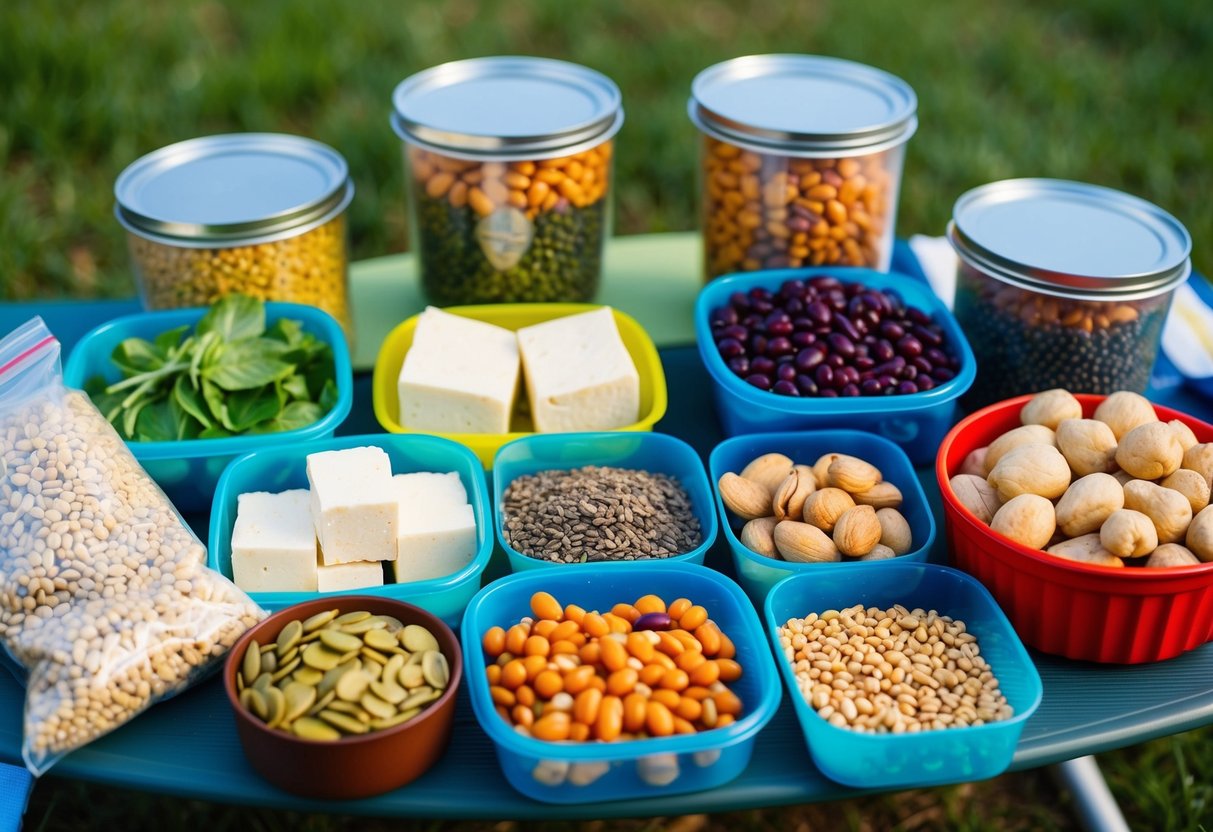
Packing plant-based proteins for camping doesn’t have to be a hassle. With the right storage tips and smart preparation and cooking methods, you can enjoy delicious and satisfying meals in the great outdoors. Let’s dive right into the details.
Storage Tips
Ensuring your plant-based proteins stay fresh is key. First, invest in airtight containers or vacuum-sealed bags to keep moisture out. These will help your nuts, seeds, and legumes remain dry and crunchy.
It’s like keeping your secret stash safe and sound! Plus, when they’re sealed, those pesky critters won’t stand a chance.
For items like tofu and tempeh, a small cooler with ice packs is your best friend. Keeping them cold ensures they won’t spoil.
Consider freezing them at home and letting them slowly thaw during your trip.
Quick tip: Pack frozen items next to each other for maximum efficiency.
If you’re packing protein powders or dry mixes, use small resealable bags instead of bulky containers. Label each bag to avoid playing a guessing game when it’s time to cook.
This saves space and makes organizing your backpack much easier.
Preparation And Cooking
When planning your meals, keep it simple. Opt for ingredients that require minimal cooking, like pre-cooked lentils or canned beans.
You can easily pair these with grains such as instant rice or quinoa for a quick meal.
Need some inspiration? Think of dishes like lentil stew or a chickpea salad sandwich.
For campfire cooking, bring lightweight camping cookware.
A portable grill or skillet can work wonders for grilling veggies or frying up some tofu.
Don’t forget a multitool with a sharp knife for chopping. It’s your trusty sidekick for meal prep.
Spices and herbs bring your meals to life. Pack small containers with your favorite seasonings.
A dash of paprika or cumin can turn a basic dish into something special.
And remember, your meals should be delicious and fueling for those epic hikes. Enjoy every bite of nature’s goodness!
Frequently Asked Questions
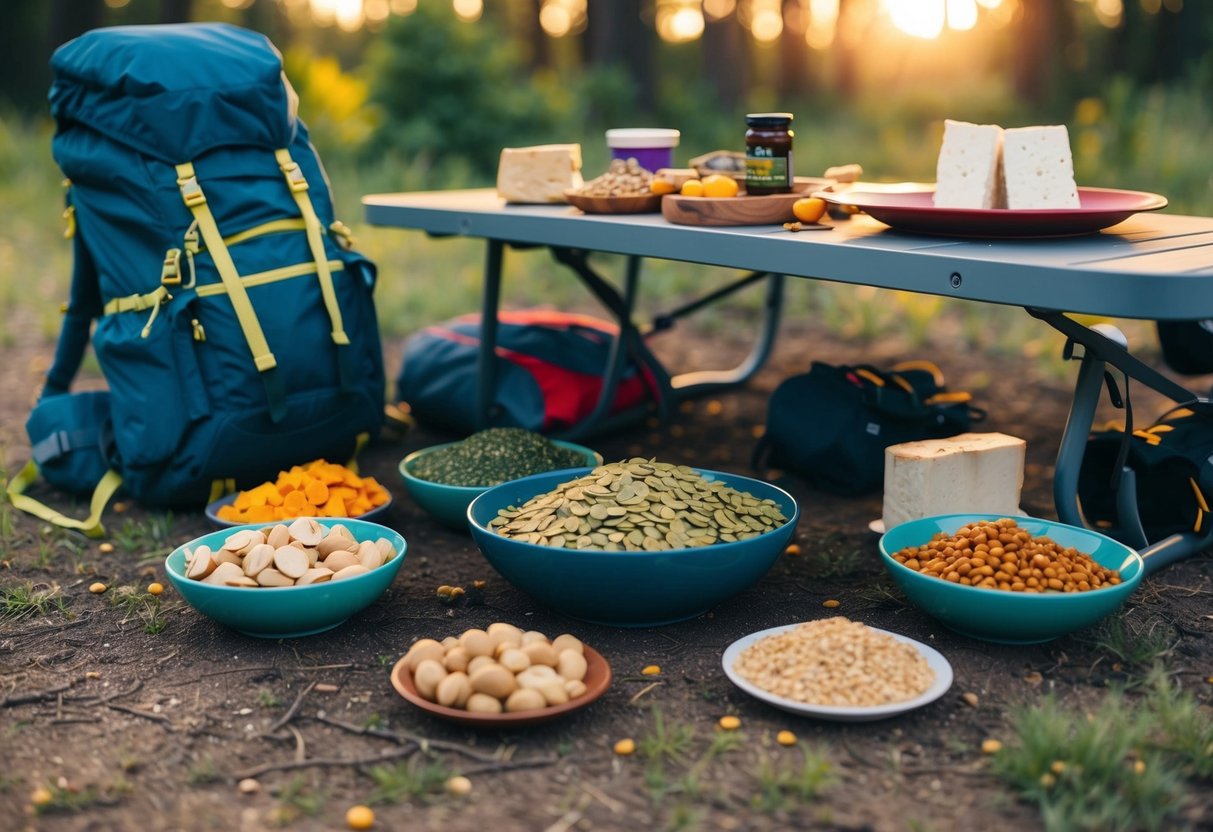
When you’re out exploring nature, staying fueled is important. To make things easier, dive into this quick guide where you’ll discover easy plant-based snacks, campfire recipes, and ways to keep your protein levels up while still enjoying your outdoor adventure.
What are some no-cook vegan meal ideas ideal for backpacking trips?
Simple snacks like protein bars and vegan trail mix are perfect for the trail. Think of peanut butter packets and easy-to-prepare chickpea salad sandwiches. These options provide energy without the need for a stove.
Can you share some tasty vegan recipes that are perfect for campfire cooking?
Campfires bring out the best in food! Try making lentil tacos or spicy black bean burgers. Quinoa stuffed peppers are another yummy option to roast over the fire. A tofu stir-fry pack wrapped in foil cooks beautifully on hot coals.
How can you maintain a high-protein plant-based diet while on an outdoor expedition?
Increase your intake with lightweight protein sources like chia seeds, hemp hearts, and flax seeds. Peanut butter, dried fruits, and nuts are excellent for keeping energy levels up. Toss in some protein powder to sweet breakfasts for an extra boost.
What are some family-friendly plant-based meals that are great for a camping dinner?
Looking for meals the whole family will enjoy? Spicy black bean burgers and tofu stir-fry packs are big hits. Lentil tacos can also be customized with toppings, making meal time both exciting and tasty.
What are the top plant-based protein sources suitable for outdoor adventures?
Edamame, chickpeas, and tempeh are great sources of protein. Edamame comes packed with about 10-19 grams of protein per 100 grams. A can of chickpeas provides 17 grams. These are handy and rich in essential nutrients.
How can you prepare nutritionally balanced vegan meals for larger camping groups?
Batch-cook quinoa stuffed peppers for filling meals. You can prep and freeze tofu stir-fry ahead of time, then cook in large batches.
Don’t forget to pack plenty of nuts and fruits to cater to different tastes and needs.

Growing up in the Pacific Northwest, we’ve always felt at home in the outdoors. We created Evergreen Adventures PNW to share our love of hiking, camping, and exploring, and to help others discover the best adventures this region has to offer. Along with trip guides and tips, we also enjoy diving into the science behind the landscapes—thanks to a background in Environmental Science—because understanding nature makes every adventure even more meaningful.