
When camping in Washington, waterproofing is key. Renowned for its frequent rain, the Pacific Northwest often surprises campers with precipitation, even in summer. This article is your guide, whether you’re an experienced camper or just starting out, to effectively prepare for Washington’s wet conditions with essential waterproofing tips.
Table of Contents
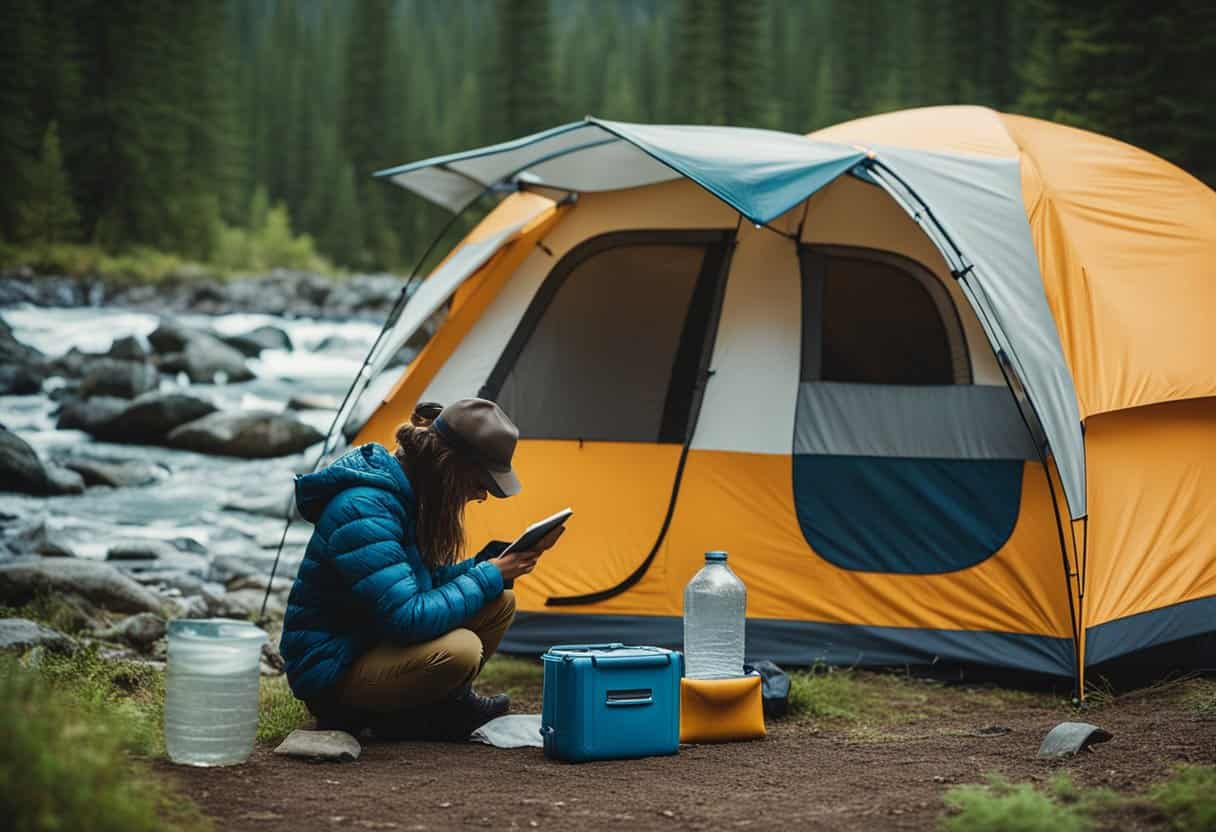
First and foremost, prioritize investing in high-quality waterproof gear. Essential items include a waterproof tent, rainfly, and tarp. Ensure your tent is on high ground, and use a groundsheet to prevent water from seeping through the bottom. Additionally, pack waterproof clothing, such as rain jackets and pants, to keep you dry during hikes and other outdoor activities.
Another important aspect of waterproofing is protecting your electronics and other valuables. Think about buying a waterproof bag or container to store your phone, camera, and other items. It’s also a good idea to bring a backup power source, such as a portable charger, in case of emergency. By following these waterproofing tips, you’ll be able to enjoy your Washington camping trip to the fullest, rain or shine.
Choosing the Right Gear: Waterproofing Essentials
When it comes to waterproofing your camping gear, starting with the right equipment is essential. Here are some tips for selecting the ideal tent and essential waterproofing tools.
Selecting the Ideal Tent
When selecting a camping tent, it’s important to consider the tent’s fabric and design. Most tents are made from nylon or polyester, which are both lightweight and durable. However, not all nylon and polyester tents are created equal. Look for tents that have a polyurethane (PU) coating, which provides an added layer of waterproofing.
Another key factor to consider is the tent’s design. A quality tent should feature a rainfly covering it entirely, including the doors and windows. This will help keep rainwater from seeping into the tent. Additionally, look for tents that have sealed seams. This will prevent water from seeping through the tiny holes created by stitching.
Essential Waterproofing Tools
Besides choosing the right tent, having the right waterproofing tools is important. One of the most important tools is a waterproofing spray. These sprays are designed to add an extra layer of protection to your tent fabric, making it more resistant to water. Look for sprays that contain a durable water-repellent (DWR) coating, which will help the water bead up and roll off the fabric.
Another essential tool is a seam sealer. This is a special type of glue that is used to seal the tiny holes created by stitching. Seam sealer is especially important for tents that don’t have sealed seams. To use seam sealer, simply apply it to the seams using a brush or roller.
By selecting the right tent and having the essential waterproofing tools, you can ensure that your camping trip in Washington is a success.
Advanced Waterproofing Techniques for Washington Camping
When camping in Washington, waterproofing your tent is essential to staying dry and comfortable. Here are two techniques to help you waterproof your tent and prevent leaks.
Sealant Application
One of the most effective ways to waterproof your tent is to apply a seam sealer. Seam sealers are available in liquid form and can be applied to the seams of your tent, rainfly, and footprint. They help seal any gaps in the seams and prevent water from seeping through.
To apply a seam sealer, first, clean the seams with rubbing alcohol and a soft cloth to remove any debris or mold. Then, apply the seam sealer to the seams using a brush or sponge. Be sure to apply it evenly and allow it to dry completely before packing up your tent.
Tent Fabric Maintenance
Regular maintenance of your tent’s fabric can also help prevent leaks and keep your tent waterproof. Start by cleaning your tent with a mild soap and water solution. Avoid using harsh chemicals, as they can damage the waterproof coating on your tent.
Next, inspect your tent for any tears or holes. If you find any, patch them up with a tent repair kit or duct tape. Additionally, check the zippers on your tent and apply a zipper lubricant to keep them working smoothly.
Finally, check the waterproof rating of your tent. The higher the rating, the more waterproof your tent will be. Look for a tent with a bathtub floor, which means the floor of the tent is raised at the edges to prevent water from seeping in.
By following these waterproofing techniques, you can ensure that your tent stays dry and comfortable during your Washington camping trip.
Camping in Washington: Utilizing Waterproofing Tips
Planning a camping trip in Washington promises an unforgettable experience. Washington State offers a wide variety of camping experiences, from secluded campsites in the forest to RV parks with all the amenities.
Best Campgrounds
There are many great campgrounds to choose from in Washington State. Some of the best include:
Camping in Different Seasons
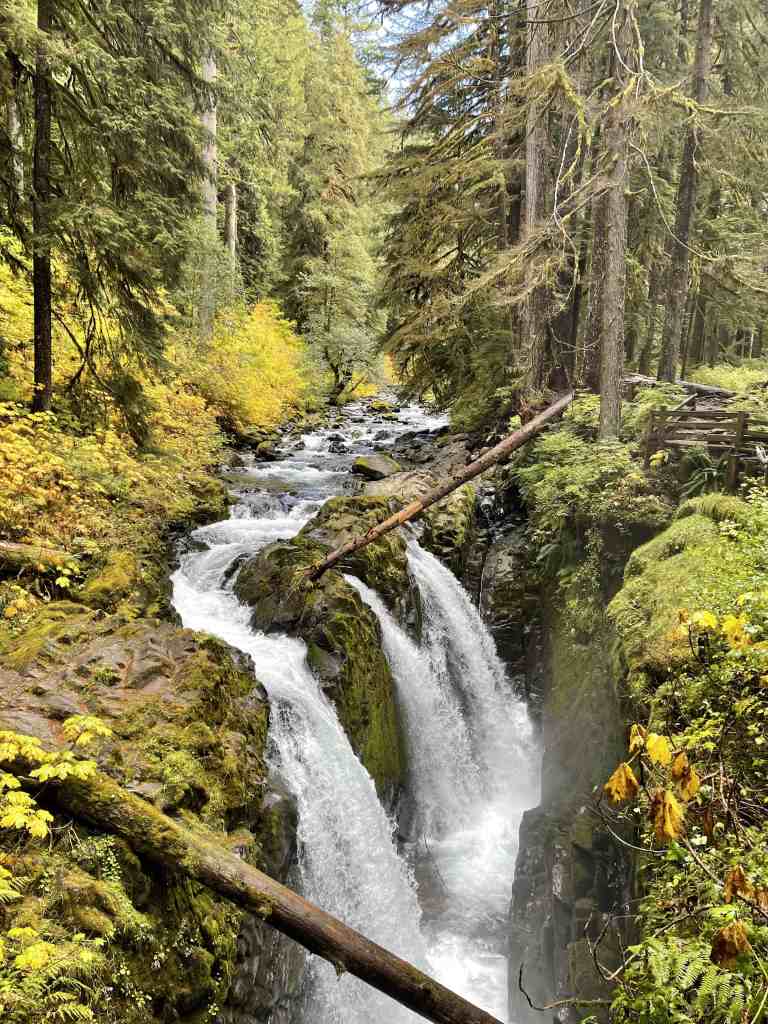
Washington State offers camping opportunities year-round. However, the weather can vary depending on the season.
Olympic National Park: This park has several campgrounds, including Lake Crescent and Sol Duc. The campsites are nestled in the forest and offer stunning views of the surrounding mountains.
- Mount Rainier National Park: This park has several campgrounds, including Cougar Rock and Ohanapecosh. The campsites are located in the shadow of Mount Rainier and offer breathtaking views of the mountain.
- North Cascades National Park: This park has several campgrounds, including Newhalem Creek and Colonial Creek. The campsites are located in the heart of the North Cascades and offer stunning views of the surrounding mountains.
Washington State Parks: Many state parks throughout Washington offer camping, including Lake Chelan and Deception Pass. Many of these parks have boat launches, hiking trails, and other amenities.
KOA: There are several KOA campgrounds throughout Washington that offer camping for RVs and tents. These campgrounds have all the amenities you need, including showers, laundry facilities, and campfire pits.
Summers here are typically warm and sunny, making it the perfect time for camping. However, this is also the busiest time of year, so campsites can fill up quickly.
In the fall, the weather is cooler, and the leaves start to change color, making it a beautiful time to camp. However, the weather can also be unpredictable, so be prepared for rain and colder temperatures.
In the winter, the weather can be cold and snowy, but this is also the perfect time for winter sports like skiing and snowshoeing. Many campgrounds are closed in the winter, but there are still plenty of opportunities for camping.
In the spring, the weather starts to warm up, and the flowers start to bloom, making it a beautiful time to camp. However, the weather can still be unpredictable, so be prepared for rain and colder temperatures.
No matter what season you choose to camp in, Washington State has something to offer. So pack your bags, grab your tent, and get ready to experience the great outdoors in one of the most beautiful states in the country.
Additional Waterproofing Tips and Precautions for Washington Campers

Preparing for Weather Conditions
Washington’s weather can be unpredictable, so it’s important to be prepared for any kind of weather. Make sure to pack adequate layers and rain gear, including a waterproof jacket, pants, and shoes. Additionally, bring extra socks and clothing to change into in case you get wet.
It’s also important to be aware of hazards such as fallen trees and slippery trails. Always check the weather forecast before heading out, and avoid hiking during extreme weather conditions. If you’re camping during the winter, make sure to pack warm sleeping bags and a good quality sleeping pad to insulate you from the cold ground.
Ensuring Campsite Cleanliness
Maintaining a clean campsite is essential for safety and environmental preservation. Properly store food to avoid attracting wildlife and avoid leaving any trash or food scraps around your campsite.
Use designated fire pits and be mindful not to harm trees or other vegetation to minimize environmental impact. Additionally, be mindful of where you set up your tent and avoid camping too close to water sources to prevent contamination.
These simple tips will help guarantee a safe and enjoyable Washington camping experience.
Your adventure in Washington’s wilderness awaits, and now you’re better prepared with these waterproofing tips. But we know the wisdom doesn’t stop here. Do you have any tried-and-true waterproofing hacks or unforgettable camping stories from Washington? Share them in the comments!
Waterproofing Tips: Your Questions Answered
How can I waterproof my tent for a camping trip in Washington?
There are a few ways to waterproof your tent for a camping trip in Washington. First, make sure your tent is clean and dry before applying any waterproofing treatment. You can use a waterproofing spray, seam sealer, or a waterproofing solution to treat your tent. Follow the manufacturer’s instructions carefully and apply the treatment evenly. Allow the tent to dry completely before packing it up.
What is the best waterproofing spray for tents?
There are many waterproofing sprays available for tents, but some of the most popular and effective options include Nikwax Tent & Gear SolarProof, Scotchgard Heavy Duty Water Shield, and Granger’s Xtreme Repel. Look for a spray that is specifically designed for tents and follow the instructions carefully.
Can I wash my tent in a washing machine after camping?
It is not recommended to wash your tent in a washing machine after camping. The agitation of the machine can damage the fabric and waterproof coating of your tent. Instead, use a soft brush or sponge and mild soap to clean any dirt or stains from your tent. Rinse thoroughly and allow the tent to air dry completely before packing it up.
Should I waterproof the inside or outside of my tent?
You should only waterproof the outside of your tent. The waterproof coating on the outside of your tent is designed to keep water out and prevent leaks. Waterproofing the inside of your tent can trap moisture inside and cause condensation, which can make your tent damp and uncomfortable.
What is the best way to clean a tent after camping in Washington?
The best way to clean a tent after camping in Washington is to use a soft brush or sponge and mild soap to clean any dirt or stains from your tent. Rinse thoroughly and allow the tent to air dry completely before packing it up. Avoid using harsh chemicals or abrasive cleaners that can damage the fabric and waterproof coating of your tent.
Are there any tent waterproofing services available in Washington?
Yes, there are tent waterproofing services available in Washington. These services can professionally clean and waterproof your tent to ensure it is ready for your next camping trip. Some outdoor gear stores and camping supply companies offer these services, so be sure to check with your local provider.
Growing up in the Pacific Northwest, we’ve always felt at home in the outdoors. We created Evergreen Adventures PNW to share our love of hiking, camping, and exploring, and to help others discover the best adventures this region has to offer. Along with trip guides and tips, we also enjoy diving into the science behind the landscapes—thanks to a background in Environmental Science—because understanding nature makes every adventure even more meaningful.