
When it comes to camping, organizing your camping equipment is crucial for a successful trip. You want to avoid digging through a pile of equipment to find what you need or realize you left something important behind. Planning and organizing your camping equipment beforehand can save you time, hassle, and stress during your trip.
Start by creating a checklist of all the gear you need for your trip. Categorize your gear by type, such as cooking supplies, sleeping gear, and clothing. Use clear, plastic storage bins to keep your gear organized and easily accessible. Label your bins with the contents to make it easy to find what you need.
When packing your gear, keep items you’ll need frequently, like a flashlight or bug spray, easily accessible. Pack heavier items at the bottom of your backpack or car trunk to distribute weight evenly. Before leaving, double-check your checklist to ensure you have everything you need. By organizing your camping gear, you’ll be able to enjoy your trip without the stress of disorganized equipment.
Table of Contents
Understanding Your Camping Equipment
When it comes to camping, having the right equipment is essential. Before organizing your gear, you need to understand what you have and what you need. List everything you own and categorize it into groups such as shelter, sleeping, cooking, and lighting.
Your tent is the most critical piece of gear. Consider the size, weight, and seasonality of your tent. A four-season tent provides more protection but is heavier than a three-season tent. Sleeping bags are essential for a good night’s sleep. Choose a bag that is appropriate for the temperature and weather conditions.
Kitchen supplies are crucial for cooking meals. Choose lightweight, durable cookware, utensils, and coolers. Don’t forget to pack water bottles or hydration systems to stay hydrated.
Headlamps and flashlights are essential for navigating at night. Camp lanterns provide ambient lighting. Backpacks are necessary for carrying gear on hikes and adventures.
Toiletries and clothing are also essential. Pack clothing appropriate for the weather conditions, including rain gear and hiking boots. Don’t forget to pack sunscreen, insect repellent, and first aid supplies.
Camping storage boxes help to organize outdoor gear and keep it easily accessible. Consider using a checklist to ensure you have everything you need. Keep frequently used gear at the top of your storage boxes for easy access.
Proper Storage of Camping Gear
Proper storage of camping gear is essential to ensure that your equipment stays in good condition and is ready to use whenever you need it. One of the first things to consider when storing your gear is the storage space you have available. It’s important to choose a dry and temperature-controlled area, such as a garage, closet, shed, or basement, to keep your gear when not in use.
When storing your gear, consider using clear storage bins or nylon and plastic bins with labels to help keep everything organized. Labeling your storage bins will make it easy to find what you need when you need it. You can also use cubbies, overhead storage, shelves, and hanging racks to maximize your storage space.
Before storing your gear, make sure that it is clean and dry. You can use dry bags to keep your gear dry, especially if you plan to keep it in a damp area. It’s also a good idea to keep your gear in a storage system that allows for proper ventilation to prevent mold and mildew growth.
When storing your gear, consider the type of equipment you have. For example, sleeping bags and tents should be stored in large clear bins or hung up to prevent damage. You can use pegboards to hang your camping gear, such as helmets, ropes, and quickdraws, to utilize vertical space.
In summary, proper storage of camping gear is crucial to keep your equipment in good condition and ready for your next adventure. Choose a dry and temperature-controlled storage space, use clear storage bins with labels, and consider the type of equipment you have when storing your gear. With these tips, you can ensure that your camping gear is well-organized and ready to go whenever you are.
Maintaining Cleanliness and Preventing Damage
When it comes to camping equipment, cleanliness is essential. After each trip, clean your gear thoroughly with mild soap and warm water to prevent mold and mildew growth. Avoid using harsh chemicals or bleach, as they can damage the fabric and materials. If you encounter stubborn stains, try using a specialized cleaner designed for outdoor gear.
To prevent damage, consider storing your camping gear in hard plastic containers to keep it organized and protected from dust, sunlight, rust, mold, and pests like mice. Opt for sturdy, waterproof bins or duffel bags with secure closures. Transparent containers can also be beneficial, allowing you to easily see the contents inside each box.
When storing your camping equipment, make sure it is completely dry to avoid moldy and musty smells. Use silica gel packets to absorb any remaining moisture. Additionally, store your gear in a cool, dry place, away from direct sunlight.
Proper insulation is also crucial for protecting your camping gear. Use foam padding or bubble wrap to insulate fragile items like cookware and electronics.
In summary, maintaining cleanliness and preventing damage is essential for keeping your camping equipment in good condition. Clean your gear after each trip, store it in hard plastic containers, ensure it is completely dry before storage, and use proper insulation to protect fragile items.
Efficient Packing and Organization
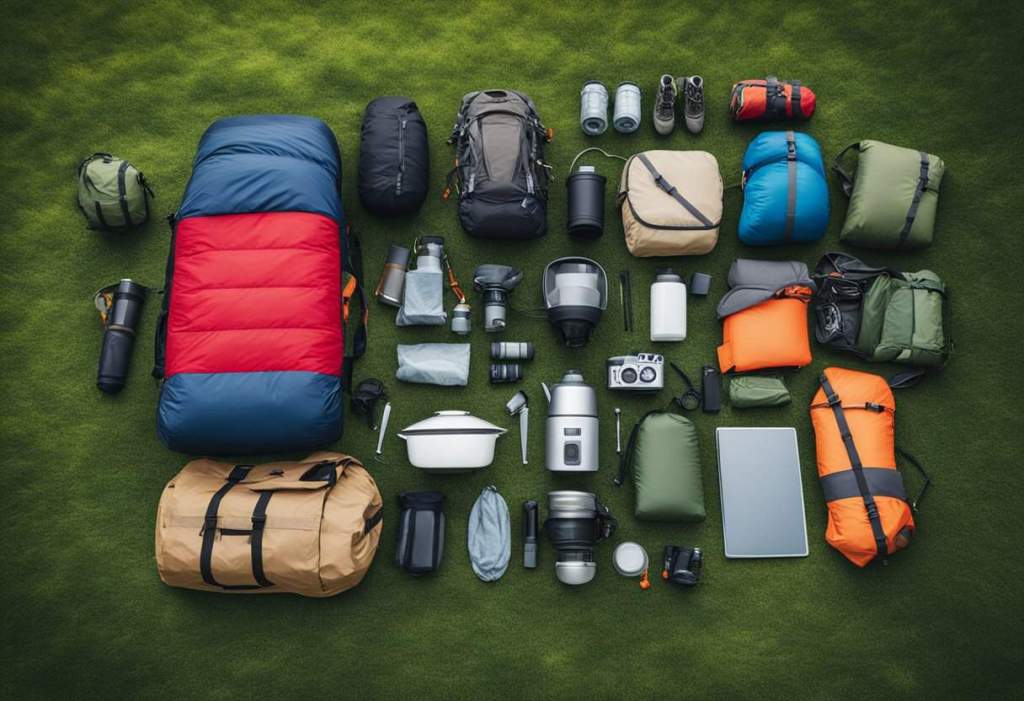
Efficient packing and organization are crucial for a successful camping trip. Properly organizing your camping gear will save you time and space at the campsite. Utilize camping storage ideas such as compression sacks and different colored bags to keep your gear organized.
When packing, start with the essentials and prioritize based on the frequency of use. Keep frequently used items at the top of your pack or easily accessible in your vehicle. Consider using lightweight gear and storage hacks to save space.
In the camp kitchen, use stackable containers and label them for easy identification. Keep your cooking utensils in a separate bag or container for quick access. Utilize a kitchen-sized organizing table to keep your food and cooking supplies organized.
At the campsite, keep your gear organized by designating specific areas for each item. Use storage containers to keep your gear off the ground and easily accessible. Keep your emergency kit separate and easily identifiable.
In summary, proper organization and packing techniques are essential for a successful camping trip. Utilize camping organization hacks and storage ideas to save space and keep your gear organized. By prioritizing your essentials and keeping frequently used items easily accessible, you’ll be able to enjoy your trip without the stress of disorganized gear.
Considerations for Specific Items
When organizing your camping gear, it’s important to consider the specific items you’ll be bringing along. Here are some tips to help you organize some of the most common camping items:
Cooler
Pack your cooler strategically by placing the items you’ll need first (such as drinks and snacks) on top. Use ice packs or frozen water bottles to keep food cold and avoid having to refill with ice. Consider investing in a high-quality cooler for better insulation and longevity.
Toiletries
Keep toiletries in a separate bag or container to avoid spills and leaks. Use travel-sized containers to save space and pack only what you need. Don’t forget hand sanitizer and biodegradable soap.
Snacks
Bring a variety of non-perishable snacks such as trail mix, granola bars, and jerky. Pack them in a separate bag or container for easy access. Don’t forget to pack a few treats for a special snack time.
Kids
Pack activities and games to keep kids entertained. Consider bringing a portable crib or sleeping pad for young children. Make sure to pack extra clothes and diapers.
Duffel
Use a duffel bag to pack clothes and other soft items. Roll clothes to save space and keep them wrinkle-free. Use compression bags to save even more space.
Gallon
Bring a few empty gallon-sized bags for various purposes such as collecting water or storing wet clothes. They can also be used to keep items organized and separated.
Tarps
Bring tarps to create a dry space for cooking and lounging. Use them to cover gear and protect it from rain and moisture. Don’t forget to pack extra stakes and guylines.
Fresh
Pack fresh fruits and vegetables for a healthy snack option. Store them in a separate bag or container to avoid contamination. Don’t forget to pack a cutting board and knife.
Toilet Paper
Pack plenty of toilet paper and keep it in a waterproof container. Consider bringing biodegradable toilet paper to minimize your impact on the environment.
Blankets and Towels
Pack blankets and towels in a separate bag or container. Consider bringing quick-drying towels to save space and avoid musty smells.
Batteries
Bring extra batteries for flashlights and other electronic devices. Store them in a separate container to avoid contact with moisture.
Backpacking
If backpacking, pack only the essentials. Use a backpack with multiple pockets and compartments for easy organization. Don’t forget to pack a lightweight sleeping bag and tent.
Pockets
Use pockets in clothing and gear to store small items such as a pocket knife or matches. Keep frequently used items in easily accessible pockets.
Expensive Gear
Store expensive gear such as cameras and electronics in a separate bag or container. Consider investing in a waterproof and shockproof case for added protection.
Camping Checklist
Create a camping checklist to ensure you don’t forget anything important. Check off items as you pack them to avoid leaving anything behind.
Bedroom
Create a cozy and comfortable sleeping space by bringing a sleeping pad or air mattress. Use a sleeping bag liner for added warmth and comfort.
Paper Towels
Bring paper towels for easy cleanup. Store them in a separate bag or container to avoid getting wet.
Duffle Bag
Use a duffle bag to pack gear such as tents and sleeping bags. Roll them tightly to save space. Consider investing in a waterproof duffle bag for added protection.
Frequently Asked Questions
How can I maximize space when organizing camping equipment?
Maximize space by using collapsible containers and packing cubes. Use every inch of space in your vehicle and camping gear by packing items inside of other items.
What are some effective ways to store camping gear at home?
Store camping gear at home in a dry, cool, and dark place. Use plastic bins with lids to keep everything organized and protected from dust and moisture.
What are the benefits of using an outdoor gear storage rack?
Using a rack helps keep camping gear organized and easily accessible. It also frees up floor space in your garage or storage area.
How can an outdoor gear storage wall help with camping equipment organization?
A storage wall can help by providing a designated area to hang and store camping gear. It keeps gear off the ground and easily accessible, making it easier to find and pack for your next trip.
What are some innovative ways to organize a camping tent?
Innovative ways to organize a camping tent include using hanging organizers and collapsible storage containers. Use the walls of the tent to hang gear and keep items off the ground.
What are some tips for reducing the amount of camping gear needed for a trip?
Reduce the amount of gear needed by planning ahead and making a list of essential items. Pack multi-use items, such as a camping stove that also functions as a grill. Only bring what you need and leave unnecessary items at home.

Growing up in the Pacific Northwest, we’ve always felt at home in the outdoors. We created Evergreen Adventures PNW to share our love of hiking, camping, and exploring, and to help others discover the best adventures this region has to offer. Along with trip guides and tips, we also enjoy diving into the science behind the landscapes—thanks to a background in Environmental Science—because understanding nature makes every adventure even more meaningful.