
Are you ready to embrace the chill of winter camping? If so, you’re in for a treat! Winter camping can be a thrilling experience, offering serene landscapes and a unique connection with nature.
Staying warm is essential for making your adventure comfortable and enjoyable. With the right tips, you can avoid cold toes and shivering nights, while creating awesome memories under frosty skies.
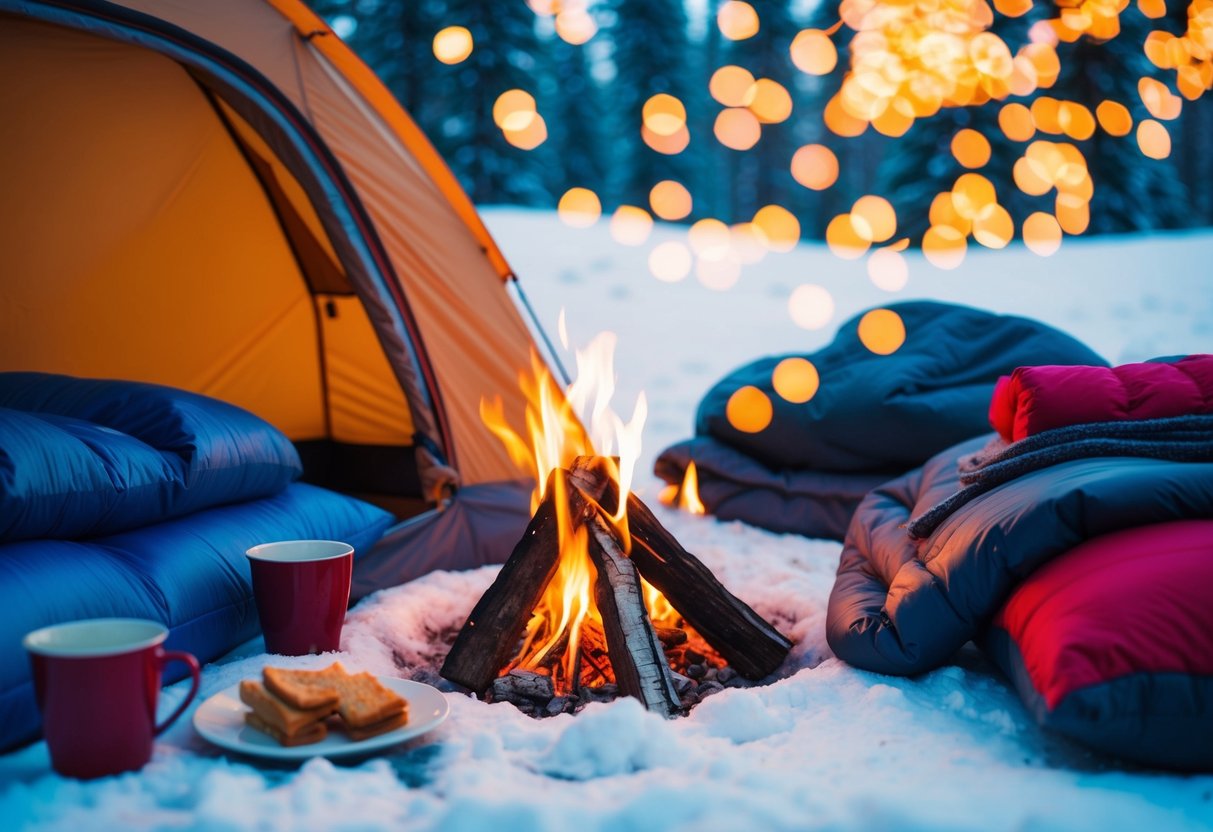
Imagine waking up to a snowy wonderland with a cozy layer of warmth wrapped around you. You’re not just surviving the cold; you’re thriving in it! Whether you’re a seasoned camper or a newbie, these hacks can turn a potentially daunting outing into a delightful escapade. Get ready to discover your perfect winter camping strategy!
1. Pack a Four-Season Tent
Imagine camping in a tent that keeps out the cold, wind, and snow, so you can sleep cozily even in the heart of winter. A four-season tent might be just what you need for your next cold-weather adventure. These tents are made specifically for harsh weather conditions, offering extra warmth and protection compared to regular tents.
Four-season tents are built with sturdier poles and thicker fabric to withstand strong winds and snow. They’re like the superheroes of tents, ready to fight off icy blasts and keep you snug inside. These tents often have less mesh and more solid fabric to trap your body heat effectively.
When choosing a four-season tent, think about the size and shape that will best fit your needs. Dome-shaped tents are popular because they shed snow well and are stable in windy conditions. Look for tents that have reinforced seams and high-quality zippers, as they help keep the elements out.
Setting up your four-season tent correctly can make a big difference, too. Ensure that the tent is pitched firmly and the rainfly is secure. Use all the stakes and guy lines provided to avoid any unwanted surprises during the night. Packing a map and studying the weather forecast are also good strategies to stay ahead of any unplanned situations.
So if you’re heading into the mountains this winter, pack a four-season tent and enjoy a warm, comfortable sleep without any worry. Your future cozy self will thank you!
2. Use a Sleeping Bag Liner
Ever heard of a sleeping bag liner? It’s like giving your sleeping bag a warm hug. These handy liners add an extra layer of insulation that can increase the warmth inside your sleeping bag.
You can think of it as wearing an extra layer of clothing, but for your sleeping bag.
Imagine being cozy and snug, even when it’s frosty outside. That’s the beauty of a sleeping bag liner. These liners can make your sleeping bag at least 10 degrees warmer. If you already love your sleeping bag, but wish it was a bit toastier, this is a simple solution!
Sleeping bag liners come in various materials, like fleece, cotton, and silk. Each type offers different benefits, like lightweight portability or extra warmth. Silk liners are light and compact, perfect for backpacking, while fleece liners are cozy and warm.
Using a sleeping bag liner is also great for keeping your sleeping bag clean. You can toss the liner in the wash after your trip, saving you from cleaning the whole sleeping bag.
The best part? Liners are easy to pack and don’t take up much space. This means you can carry extra warmth without the bulk. Preparing for your winter camping adventure? Don’t forget to pack a liner! It’ll make a world of difference when you’re out enjoying those crisp, starry nights.
3. Layer Up with Merino Wool
Have you ever found yourself shivering while trying to enjoy a winter camping trip? One of the easiest ways to stay warm is to layer up with Merino wool.
Merino wool is like nature’s little secret for staying cozy. It’s soft and doesn’t itch like other wools. Plus, it keeps you warm even if it gets wet, which is perfect for snow-filled adventures.
When you’re starting your layering system, grab a Merino wool base layer. These base layers are key because they help wick away sweat and keep your body dry. It’s like wearing a cozy, protective hug under your outer layers.
Add a mid-layer to trap heat. Merino wool makes a great choice here, too. It offers insulation and breathability, making it ideal for long periods where you might switch between activity and rest.
If you’re worried about overpacking, fear not! Merino wool is lightweight, so you can carry more gear without feeling like a pack mule. This makes it fantastic for any adventure, whether you’re hiking up a snowy trail or sitting by a crackling campfire.
Want another bonus? Merino wool resists odors. You can wear it multiple times before washing without smelling like a wilderness wildman. This means you can save space in your pack for important things like your favorite camping snacks!
4. Invest in Heated Insoles
Winter camping can be an amazing experience, but keeping your feet warm is crucial. Have you ever tried heated insoles? They’re game-changers for those chilly nights and frosty mornings. Picture slipping your feet into warm, cozy boots, even when the ground is icy.
Heated insoles are easy to find and come in different styles. Some are battery-powered, while others are rechargeable. They can usually fit into your existing boots, so you don’t need to get new footwear. Plus, heated insoles offer adjustable temperature settings, letting you choose the perfect level of warmth for your comfort.
You may wonder how effective they are. Many campers swear by them, saying their toes have never been toastier. It’s like having a personal heater just for your feet. Sounds pretty amazing, right? These insoles can even extend your camping season. No need to pack up early once your feet start to get cold!
Remember, your body loses a large amount of heat through extremities like hands and feet. Keeping them warm helps maintain your overall body temperature, making your whole camping adventure more enjoyable. Heated insoles are not just a luxury; they can make a big difference in keeping you comfortable and safe out there.
5. Try the Hot Water Bottle Trick
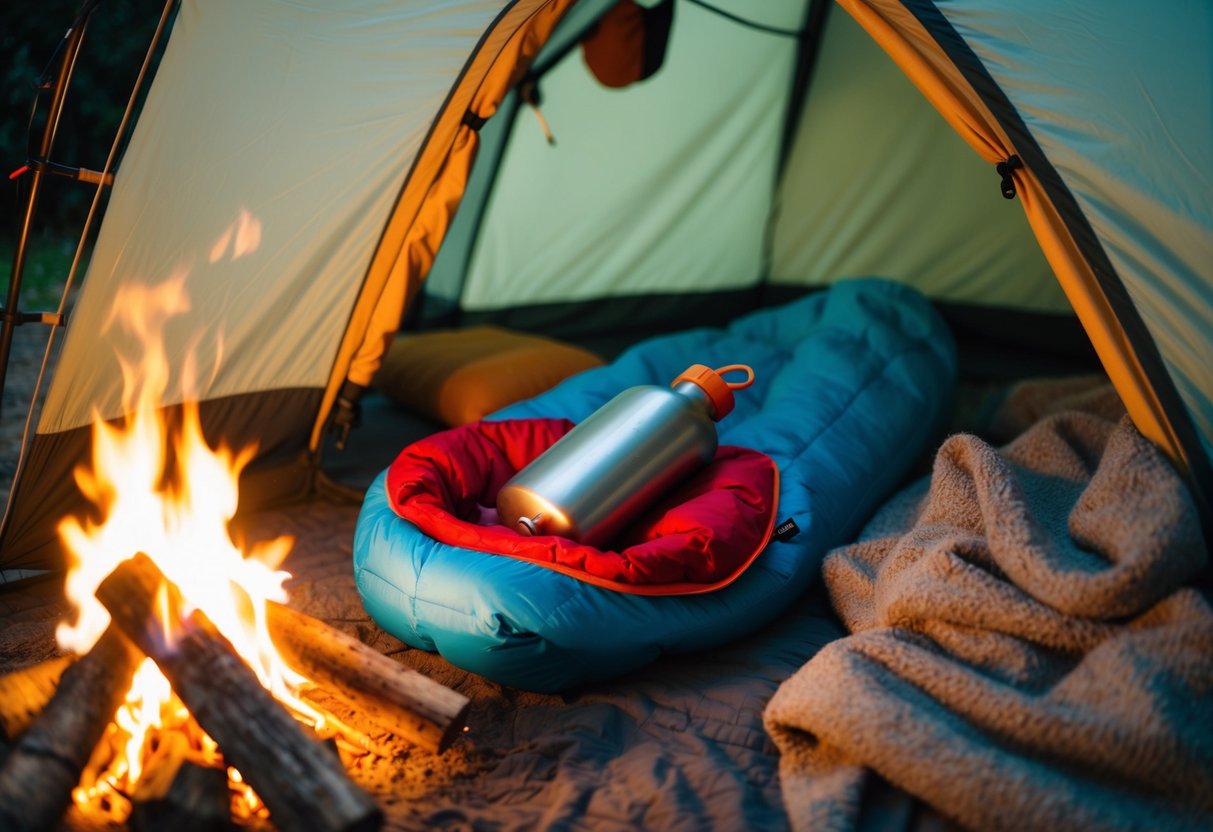
Feeling chilly at night? A hot water bottle might be your new best friend. It’s a simple trick that can really make a difference when camping in cold weather. Fill a sturdy bottle with hot water before bedtime. Make sure it has a secure cap, so you won’t wake up with wet socks!
Choose a bottle that’s big enough to hold a decent amount of water. This helps it stay warm longer. Something like a Nalgene works well because it’s tough and has a reliable screw-on cap.
Put the bottle inside your sleeping bag or even your winter coat pocket for cozy warmth. You can also hug it while you drift off to sleep. It’s like having a personal heater, minus the electricity.
For a fun bonus, try positioning the bottle near your feet or lower back—you’ll feel the heat all night! Just be careful with metal bottles. They can get hot to touch, so wrap them in a cloth.
Did you know some campers even use this trick with their hammocks? It warms up the space nicely, like a toasty cocoon. Next time you’re out braving the cold, don’t forget your hot water bottle. It might just become your favorite gear on chilly nights!
6. Set Up a Tent Heater
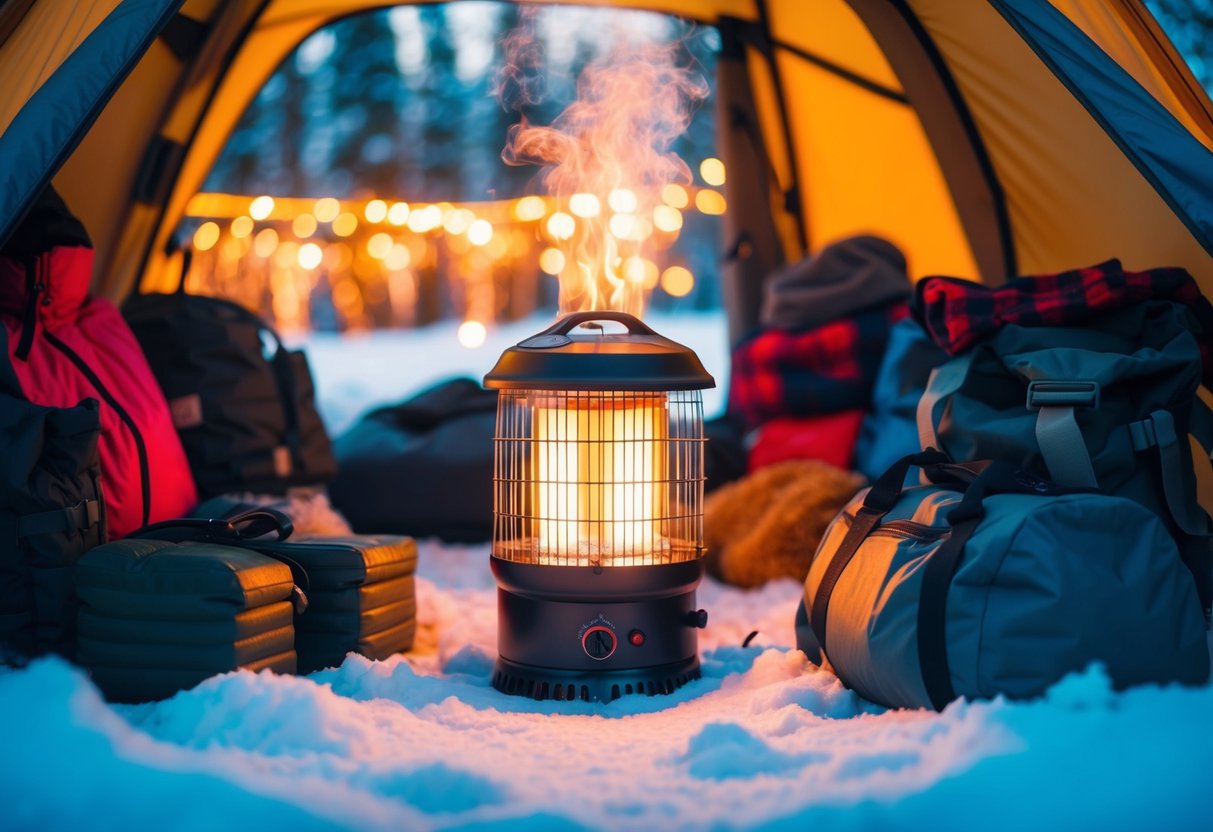
Ever thought about bringing the cozy warmth of home out to your campsite? A tent heater can make all the difference. You get to share your camping stories without freezing your toes off!
There are different types of tent heaters you can consider. Propane heaters can quickly warm up your tent. Just make sure you have proper ventilation. Electric heaters are also an option if you have access to electricity.
Safety should always be on your mind. Make sure the heater is stable and placed on a flat surface. Keep anything flammable away from it. You don’t want a camping trip turning into a fire drill!
Now, let’s talk about running the heater. Some people use it just before they sleep and right when they wake up. This helps keep the tent temperature cozy without using too much fuel or power.
And speaking of fuel, if you’re using propane, check your fuel supply before you head out. You wouldn’t want to run out of warmth halfway through your adventure. It’s like running out of marshmallows during a s’mores night—big bummer!
If you’ve got furry friends or kids, keep an extra eye on them around the heater. We know they’re curious, but better safe than sorry, right?
7. Create a DIY Wind Barrier
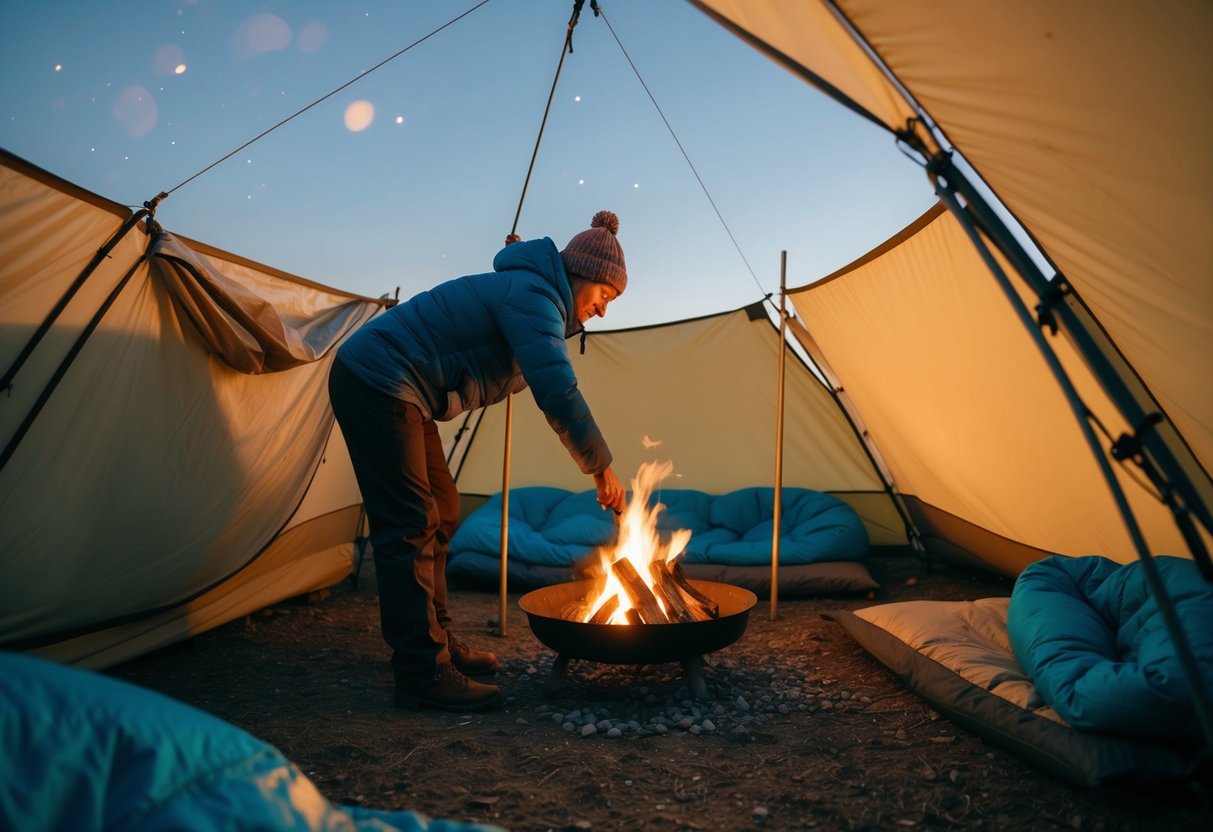
When you’re out in the wild facing chilly winds, creating a wind barrier can be a game-changer. It helps in keeping the cold gusts at bay, allowing your tent to retain the warmth much better. This can make your campsite feel cozier and more inviting.
To build your own wind barrier, you can use things right at your campsite. Think about using tarps, extra blankets, or even large plastic sheets.
Secure these around your campsite or tent, focusing on the side that faces the wind. This not only cuts down on the chill but may also reduce noise from the howling wind.
Rocks or logs can act as supports. Simply prop up your barrier against them. It’s an easy way to stabilize everything, even if the wind picks up.
If you have bungee cords or strong twine, that’s a bonus. You can tie the material to nearby trees or poles for added security.
If you’re using a tarp, angle it slightly towards the ground. This helps in deflecting the wind over your tent rather than letting it hit you directly.
Remember, creativity is your friend when setting up a wind barrier. Assess your surroundings and use them to your advantage.
With this simple hack, you can enjoy your winter camping adventure with less worry about cold winds sneaking into your tent. Stay warm and snug, so you can focus on creating unforgettable camping memories.
Understanding the Winter Camping Environment
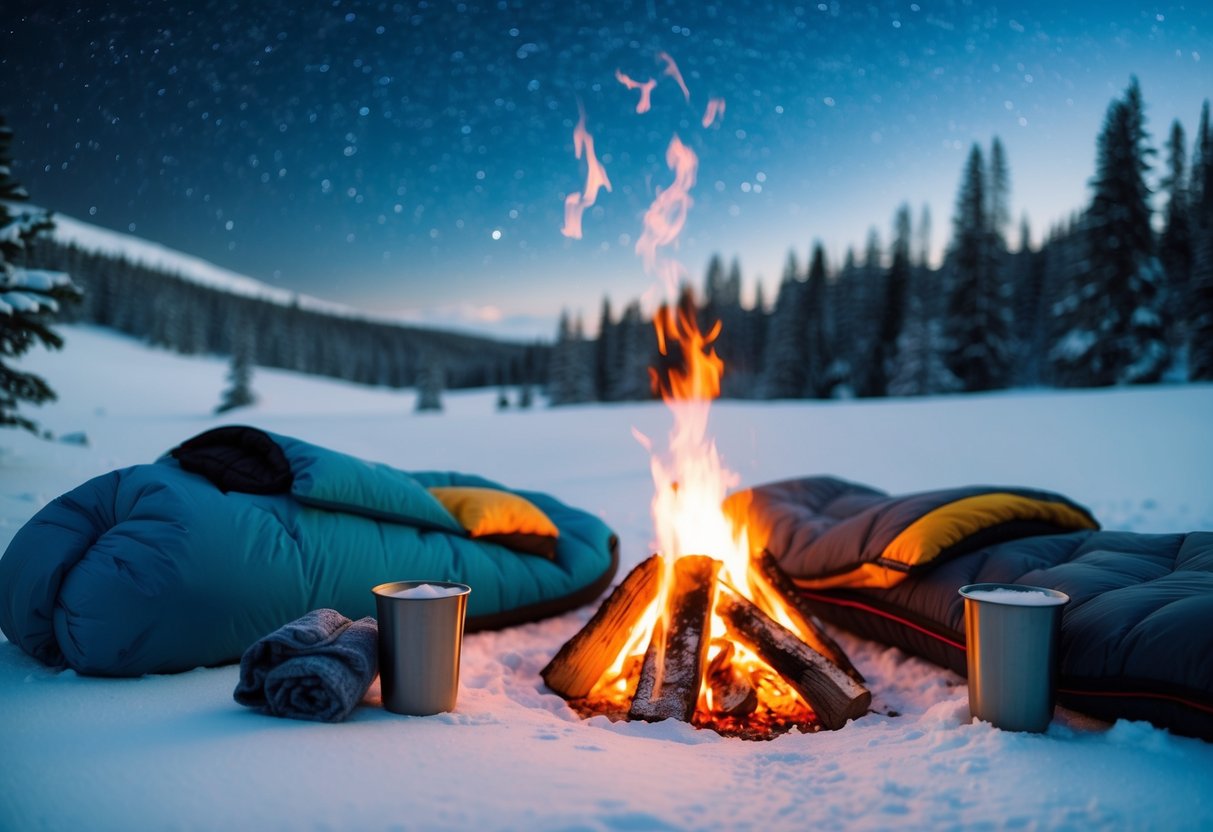
When you go winter camping, it’s vital to appreciate the unique elements you’re facing. Weather conditions and terrain can transform your adventure, so it’s crucial to prepare for chilly temperatures and rugged landscapes.
Weather Conditions
The weather during winter camping can be extreme and unpredictable. You’ve got freezing temperatures to worry about, which can quickly lead to hypothermia or frostbite if you’re not careful.
Snowstorms might pop up out of nowhere, causing visibility issues and making your surroundings tricky to navigate. Always check the weather forecast before setting out.
Wind is another factor that can challenge your camping trip. It can make temperatures feel much colder, so it’s important to pack gear that can handle the wind chill. Thermal clothing, windproof jackets, and quality tents with sturdy stakes are essential. Are you ready to brave the cold?
Terrain Challenges
Winter landscapes are beautiful but can be hard to navigate. Snow-covered paths might become slippery, making every step an adventure in balance.
Sometimes, you’ll face unexpected obstacles like frozen lakes or ice-covered rocks. It’s essential to have the right equipment. Sturdy boots with good traction, trekking poles, and crampons can make all the difference.
Depth perception can be tricky in snowy conditions, so pay attention to each step.
How about choosing a sheltered campsite? Look for areas protected from the wind by trees or hills. This can significantly increase your comfort level.
Be ready for nature’s surprises, and you’ll have an unforgettable winter camping trip!
Essential Gear for Winter Camping
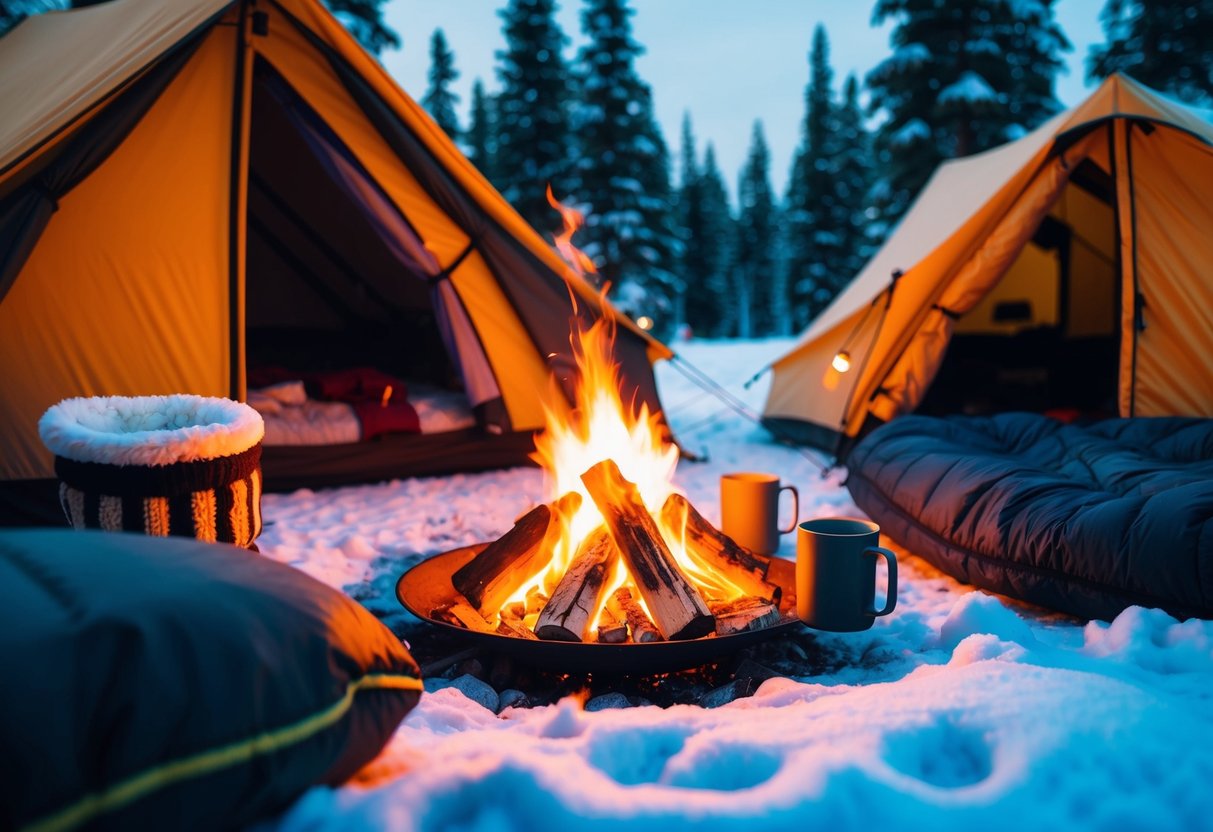
Ready to brave the chilly outdoors? Here’s what you’ll need: a good sleeping bag for warmth at night and smart clothing layers to keep your body heat in.
Insulated Sleeping Bags
Imagine snuggling in a toasty cocoon while snow falls outside. That’s what a winter sleeping bag offers. Look for bags with a temperature rating lower than the coldest weather you expect. This might mean choosing a bag rated for -10°F or lower.
Material matters. Synthetic fills are great because they handle moisture well.
Down-filled sleeping bags are lighter and pack smaller but need to stay dry to keep you warm. Don’t forget a mummy-style bag for snug fit and heat retention. It’s like a warm hug in the wilderness!
Smaller details make a big difference. A good bag should have a hood, draft tubes, and collars to stop heat from escaping. Sleep soundly knowing the cold can’t sneak in!
Layering Techniques
What’s your winter wardrobe looking like? Wearing the right layers can mean the difference between cozy and miserable.
Start with a moisture-wicking base layer, like a snug fleece. This is all about keeping sweat away from your body.
Your middle layer traps heat. A good insulator might be a down jacket or a synthetic equivalent.
You need warmth without the weight – keep it breathable, too! For the outer layer, you want something waterproof to fend off wind, rain, or snow.
Don’t underestimate accessories. Gloves, hats, and wool socks can be game-changers. And remember, avoid cotton – it gets wet and stays wet, perfect for making you chilly. Who knew staying warm could be so layered?
Setting Up the Perfect Campsite
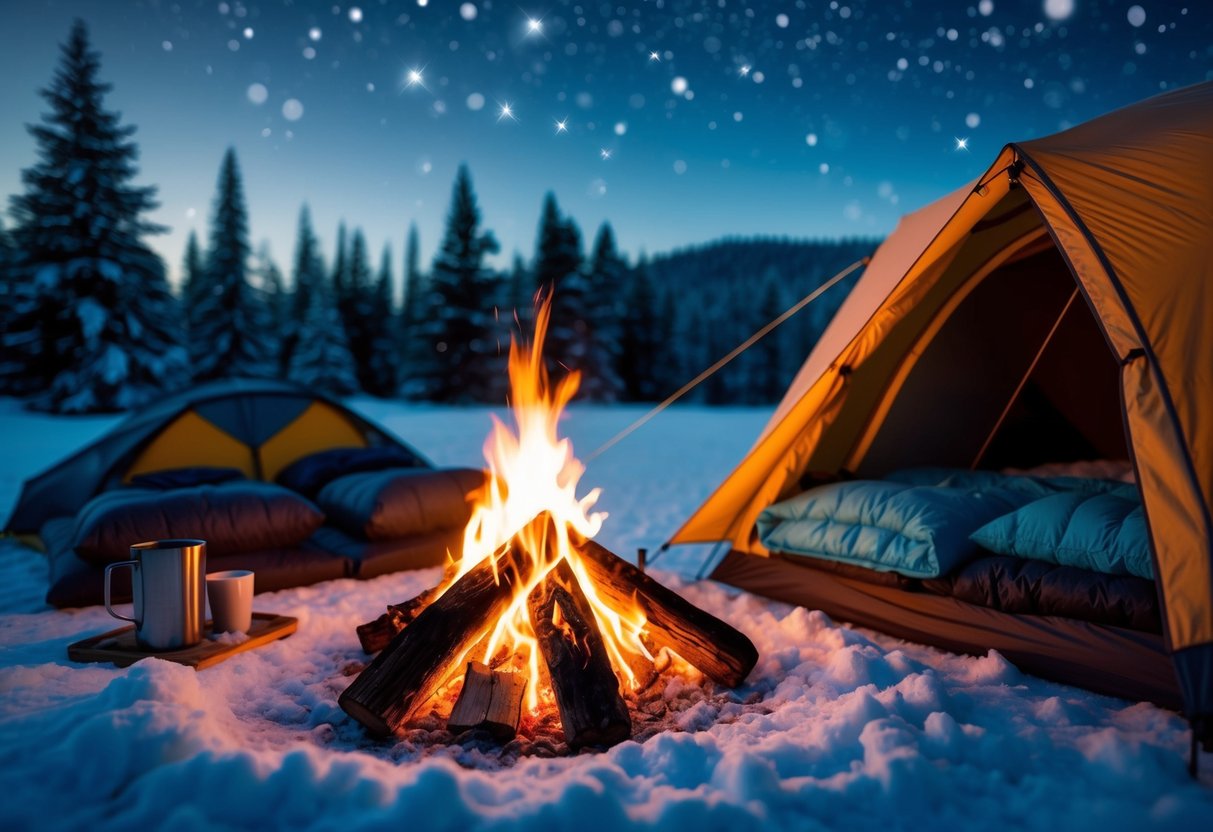
Creating a comfortable winter campsite involves choosing the right location and ensuring campfire safety. By following these steps, you’ll have a snug retreat in the wild.
Choosing the Right Location
Selecting a campsite in winter requires some strategic thinking. Look for areas sheltered from the wind, such as near hills or dense tree lines.
The goal is to avoid strong winds that can make your night cold and uncomfortable.
A flat and dry ground is your friend when setting up a tent. Avoid low spots where water might gather if it rains or snow melts. Plus, you’ll want to keep clear of avalanche-prone areas if you’re in the mountains. Does it sound promising yet?
Position your tent entrance away from the wind for extra protection. If possible, use natural features like rocks or fallen trees as windbreaks. They’ll make a big difference in keeping your campsite cozy.
Campfire Safety
Ah, the warmth of a campfire! It’s fantastic but demands some care, especially in a winter setting.
Start by checking local regulations—there are places where fires are restricted to prevent accidents.
Choose a spot for your fire that’s away from overhanging branches and tents to avoid any risks.
Clear the ground of snow and debris in a 10-foot circle to create a fire-safe zone. It’s vital for keeping the flames contained.
Build your fire using a circle of rocks for added safety and consider having a bucket of water or a shovel nearby. You never know when you might need a quick extinguish!
When you’re done, ensure the fire is completely out, not even a single ember should remain. Stirring in water while checking for heat helps ensure it’s safe to leave. Aren’t these tips handy?
Frequently Asked Questions
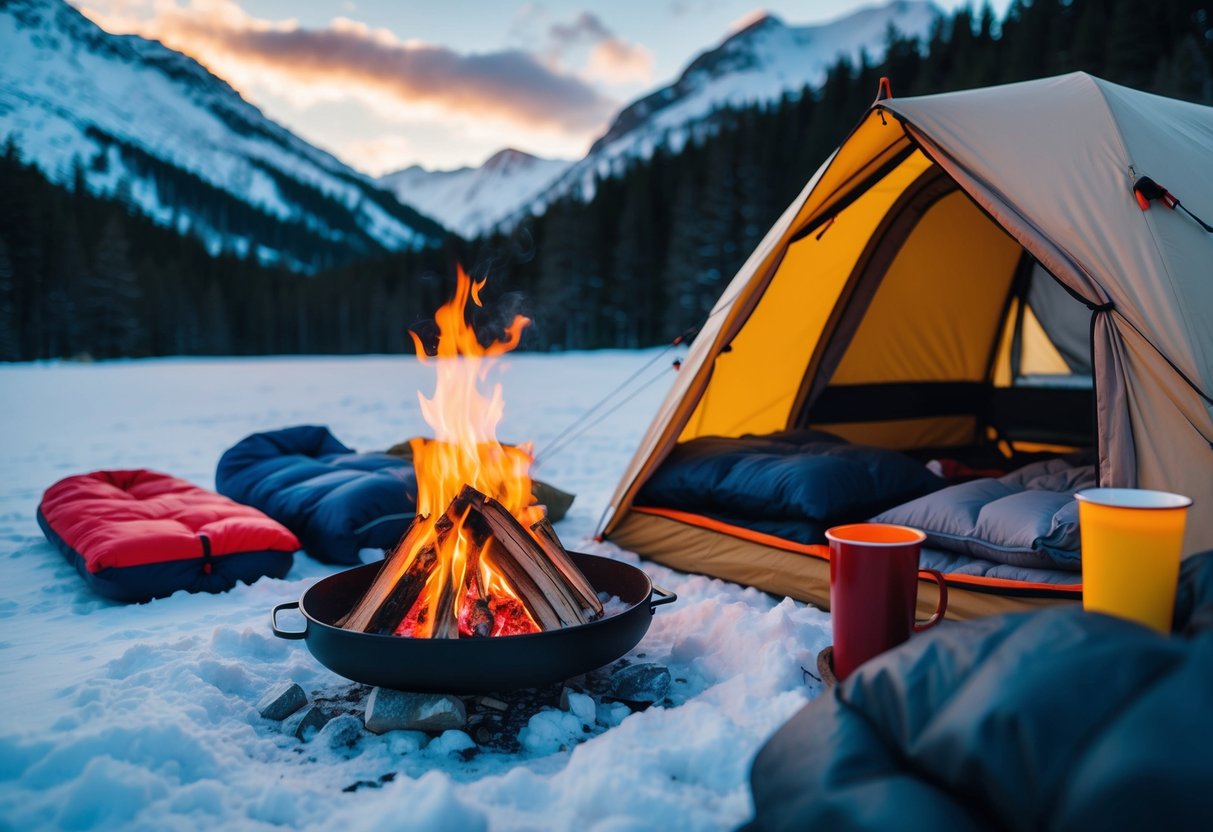
Staying warm while winter camping is all about preparation and smart choices. You’ll want to know what essential gear to bring, how to insulate your tent, and other tricks to keep cozy without electricity.
Let’s dive into some common questions people have about braving the cold.
What are some essential items to include in my camping in cold weather checklist for staying cozy?
You’ll need some key items to ensure comfort: a four-season tent, a sleeping bag liner, and warm layers like merino wool.
Consider heated insoles for extra warmth. Handy tricks like packing a hot water bottle can also make a big difference in keeping you snug. Don’t forget plenty of food and water to maintain energy and hydration.
Without using electricity, how can I ensure warmth in my tent during chilly nights?
To keep warm without electricity, wrap a hot water bottle in a cloth and place it in your sleeping bag.
Layer up with thermals and use a good-quality sleeping bag liner. Hand and toe warmers can be slipped into socks and gloves, helping to keep extremities nice and toasty during cold nights.
Can you share tips on insulating a tent to help brave extreme winter temperatures?
Insulating your tent can be a lifesaver. Add extra ground insulation with a thick sleeping pad.
Use a tarp or space blanket under and over your tent. Try to block any drafts with extra blankets or gear. It’s all about creating a cozy cocoon against the biting cold.
If I don’t have a sleeping bag, what alternative methods can I use to keep warm while camping?
No sleeping bag? No worries! Layer up in thermals and merino wool clothes.
Use extra blankets or sleeping pads to trap heat. Create a barrier between you and the ground with pine branches or leaves if needed. Make sure your head is covered too, as lots of heat escapes from there.
At what temperature range does camping become too uncomfortable, and how can I prepare for it?
Camping in temperatures below freezing can be quite challenging. Proper planning is crucial.
Make sure you have a four-season tent, and a sleeping bag rated for extreme cold. Dress in layers and bring plenty of high-calorie food. Check weather forecasts and plan for any unexpected temperature drops.
Should I sleep in my car or tent to stay warmer during a winter camping trip?
Choosing between your car or tent often depends on preference and conditions. Cars can offer some insulation against cold winds but may lack ventilation. Tents, equipped with the right gear, can provide a better camping experience. Use thermal sleeping gear for tents. Also, remember to ventilate a bit to prevent condensation.

Growing up in the Pacific Northwest, we’ve always felt at home in the outdoors. We created Evergreen Adventures PNW to share our love of hiking, camping, and exploring, and to help others discover the best adventures this region has to offer. Along with trip guides and tips, we also enjoy diving into the science behind the landscapes—thanks to a background in Environmental Science—because understanding nature makes every adventure even more meaningful.