
Camping is a great way to connect with nature, but pesky bugs can sometimes make it less enjoyable. Whether it’s mosquitoes, flies, or ants, campers often worry about dealing with insects. But don’t worry! There are effective ways to keep them at bay.
In this article, you’ll find helpful tips to tackle this issue head-on. You’ll be able to enjoy your camping trips without constantly swatting away bugs. With the right strategies, a peaceful and bug-free camping experience is within reach.
Pack a Mosquito Net
When you’re planning your camping trip, packing a mosquito net might not be at the top of your list. Yet, it can be one of the most effective ways to keep mosquitoes at bay.
While your tent provides shelter, a mosquito net offers an extra layer of protection, especially if you enjoy sleeping under the stars or naps during the day.
Have you ever woken up to a chorus of buzzing? A good quality mosquito net can be your best friend. It’s not just about keeping the bugs out. It’s also about peace of mind. Make sure the netting has no holes and fits properly over your sleeping area.
Mosquito nets are lightweight and easy to pack. They’re a breeze to set up. Just drape them over your sleeping bag or hammock, and secure them well. This simple step can save you from a night of swatting and scratching.
Want to enjoy your campsite without worrying about bites? Use a mosquito net around your eating area too. Some larger nets are designed to hang over picnic tables or chairs. This way, you can savor your meals without any unwelcome guests buzzing in.
Remember, not all nets are created equal. Look for ones made with a tight weave, which can effectively block even tiny pests. Some are treated with insect-repelling chemicals for added defense.
Consider carrying a portable net even on short trips. Having it handy can make a huge difference. Whether you’re camping in dense forests or near a lake, a mosquito net helps ensure your adventure is about exploring nature, not battling bugs.
Use Citronella Candles
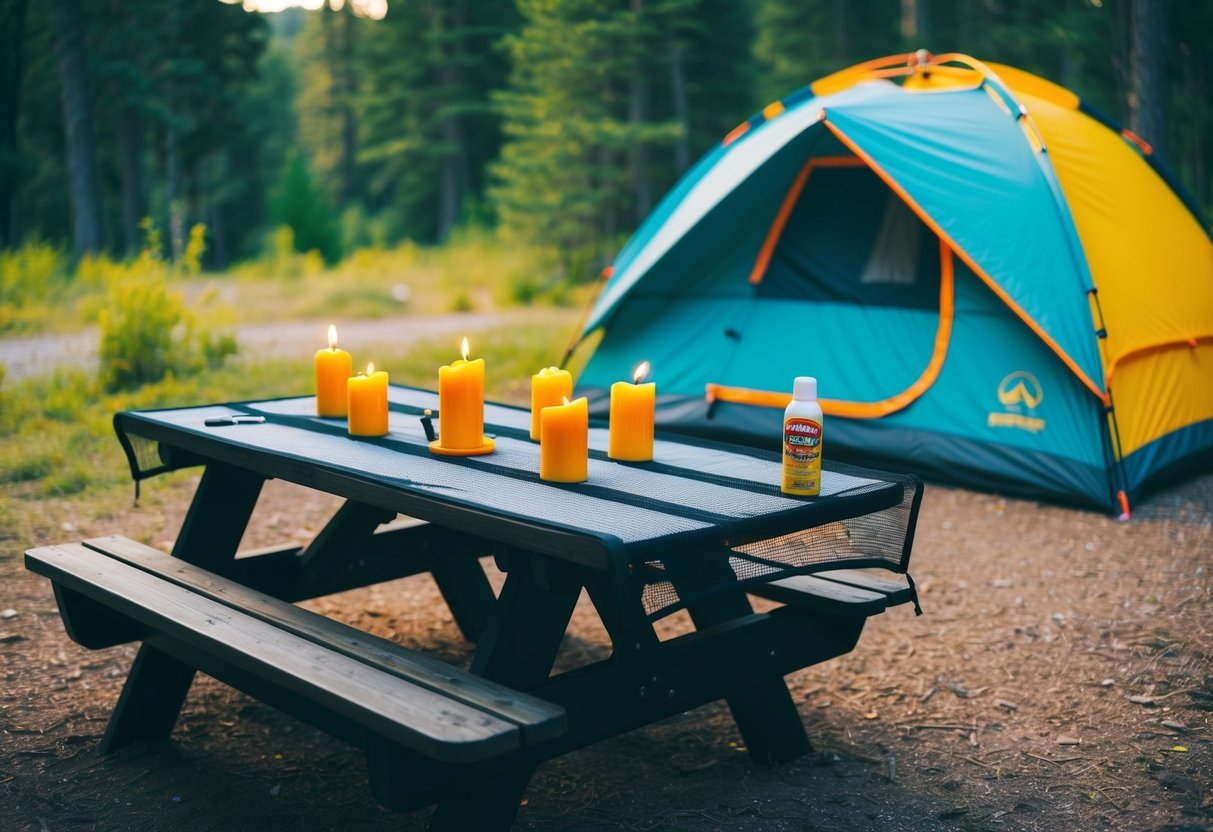
Citronella candles are a popular and easy way to keep pesky bugs away while you’re camping. You might wonder why citronella is such a big deal. Well, the oil in these candles comes from citronella grass. Its natural scent masks the smells that attract mosquitoes and other bugs.
When setting up your campsite, place citronella candles around areas where you relax or eat. Try putting them on tables or near your seating spots. This helps create a barrier around you and your friends, making it harder for bugs to bother you while you enjoy your camping trip.
These candles are not only effective, but also convenient. They’re easy to find in stores, and you can reuse them on future trips. Even better, citronella candles are a more environmentally friendly option compared to some chemical repellents. You won’t need to worry about harming nature while you protect yourself from bites.
Remember, though, that while citronella candles can help, they aren’t perfect. It’s a good idea to pair them with other methods like wearing bug-repellent lotion or setting up nets over your sleeping area. This way, you get the best protection and can focus on having fun outside.
Apply Insect Repellent
When you’re camping, applying insect repellent is a must. It’s one of the best ways to keep those pesky bugs at bay. You want to choose a repellent that works effectively, especially during peak mosquito hours—usually at dusk and dawn.
There are several active ingredients to look for in an insect repellent. DEET, Picaridin, and IR3535 are among the most effective. They can help keep mosquitoes, ticks, and other bothersome insects away. When you’re picking a product, check the label for these ingredients.
Don’t forget about natural options. Citronella oil and burning sage are alternatives if you’re looking for something less chemical-based. Both have proven to be effective for some campers and might work well for you, too.
When applying repellent, make sure to cover all exposed skin. Some areas are easy to miss, like the back of your neck or behind your ears. Be thorough, but use it sparingly as directed on the product label.
Keep an eye on the weather, too! If you’re sweating or you’ve been swimming, reapply the repellent. Many products are waterproof, but it’s always good to double-check and follow the instructions.
Always follow safety precautions, especially with kids. Avoid spraying the repellent directly on their faces. Instead, apply it to your hands and then gently rub it on their skin. This method helps avoid eye irritation or accidental ingestion.
By using the right insect repellent, you can focus more on enjoying your camping trip and less on swatting bugs.
Try Permethrin-treated Clothing
Hey there, camp enthusiast! Have you ever had bugs buzzing around, ruining your outdoor fun? Well, here’s a tip: consider wearing permethrin-treated clothing. It’s like having a secret weapon against those pesky critters.
Permethrin is a synthetic chemical, safe for humans but lethal to insects. You spray it on your clothes to help keep mosquitoes, ticks, and other bugs at bay. Insect-repellent clothing brands like Outdoor Research and Sea-to-Summit often use it.
Before heading out, treat your clothing with permethrin. You can find it in spray form at many outdoor or camping stores. It’s easy to use: just apply the spray to your clothes and let them dry. Remember to do this outdoors and make sure pets, especially cats, stay away while it dries.
Permethrin-treated clothing can continue to protect you through several washes. Usually, it stays effective for about 5-6 washes. So, no need to reapply every time you do laundry. This makes it an excellent option for long camping trips.
A fun fact for you: permethrin is modeled after the natural bug-repelling properties of chrysanthemum flowers. So even technology is taking cues from nature!
One little caution: while permethrin is a wonderful bug repellent for you, it’s not safe for cats. They are sensitive to it, so keep them away from treated materials.
Give permethrin-treated clothing a try on your next camping trip. It’s like having an extra shield. Enjoy your time in the great outdoors without the constant worry of bites!
Set Up a Bug Trap
When you’re camping, dealing with bugs can sometimes feel like a constant battle. One handy solution is setting up bug traps. Have you ever tried one?
Bug traps often come with a chemical attractant and a sticky substance. This combination lures bugs in and keeps them from bothering you.
Disposable bug traps are budget-friendly and easy to use. Simply set them up when you arrive at your campsite and toss them away when you leave.
If you’re camping for a longer period, consider reusable traps. They’re a bit more upfront but can save you money over time. Plus, they’re better for the environment!
Choose a spot for your trap that’s away from your tent and food. This prevents bugs from being attracted to the areas where you sleep and eat.
Always follow the instructions provided with your bug trap for the best results. Some traps need specific placement or orientation to work effectively.
Keep in mind that bug traps are only one part of keeping your campsite comfortable. Pair them with other methods for a well-rounded approach to pest control.
Understanding Common Bugs
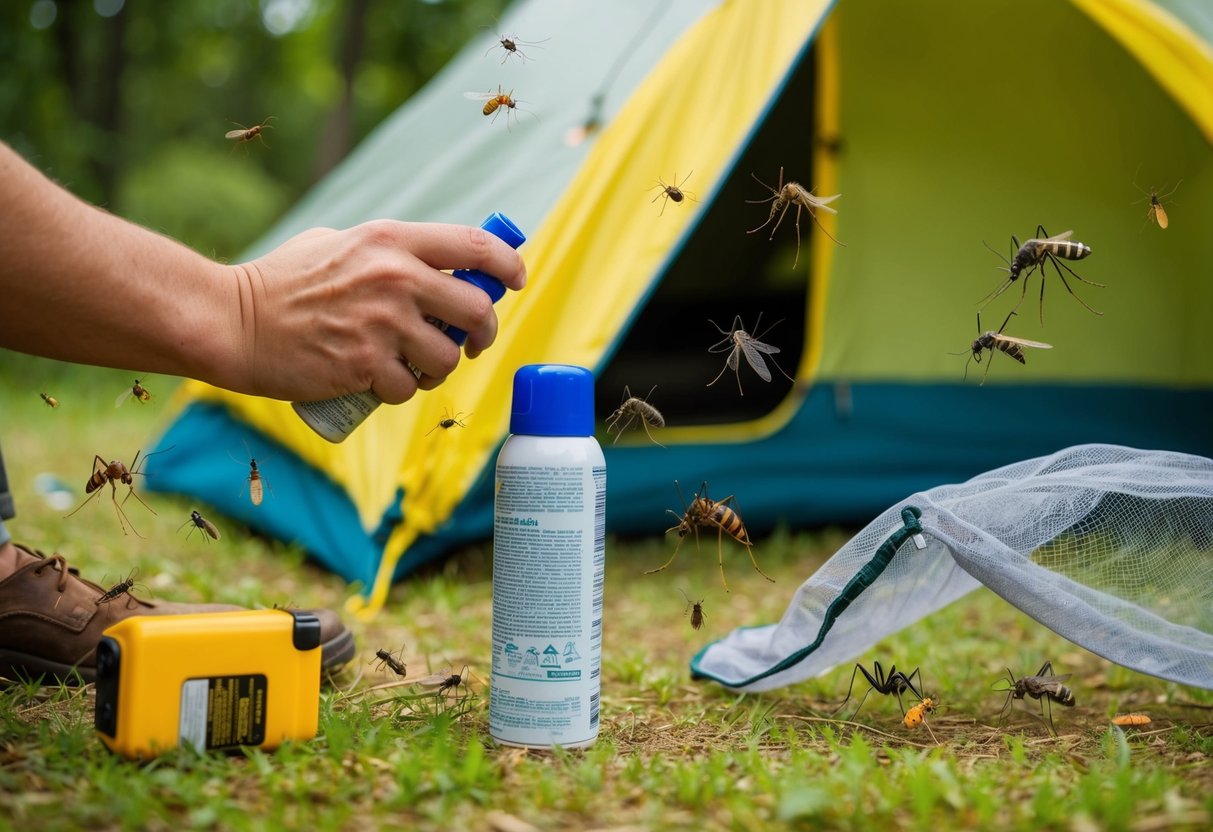
When you’re out camping, it’s common to encounter a variety of insects. Knowing what types of bugs you may come across and understanding their habits can help you avoid unwanted bites and annoyances. By recognizing common camping bugs and their behaviors, you’ll be better equipped to enjoy your outdoor experience.
Bug Types Specific to Camping Areas
Different camping areas have distinct bug populations. If you’re camping in a forest, expect mosquitoes and ticks. These insects thrive in wooded areas, often hanging out around trees and thick vegetation. Mosquitoes are most active around dusk and dawn, drawn to standing water.
In grassy areas or meadows, grasshoppers and fleas might be more common, especially in late summer. Ants are often found near campsites, particularly if food is left out. In desert locales, you might see scorpions, so it’s essential to wear sturdy shoes and shake out boots before putting them on.
Bug Behaviors and Patterns
Understanding bug behaviors helps in minimizing their impact. Mosquitoes are attracted to CO2 and body heat; using repellents and wearing light-colored clothing can deter them. Ticks tend to wait on tall grass and bushes before latching onto passing hosts. A quick body scan after being in the woods can help spot them.
Ants may seem harmless, but they quickly invade food supplies if given the chance. Store food in airtight containers to keep ants at bay. Flies are drawn to strong odors, so keeping a clean campsite helps reduce their presence. Moreover, setting up camp away from dense bug populations can help reduce encounters.
Effective Bug Prevention Strategies
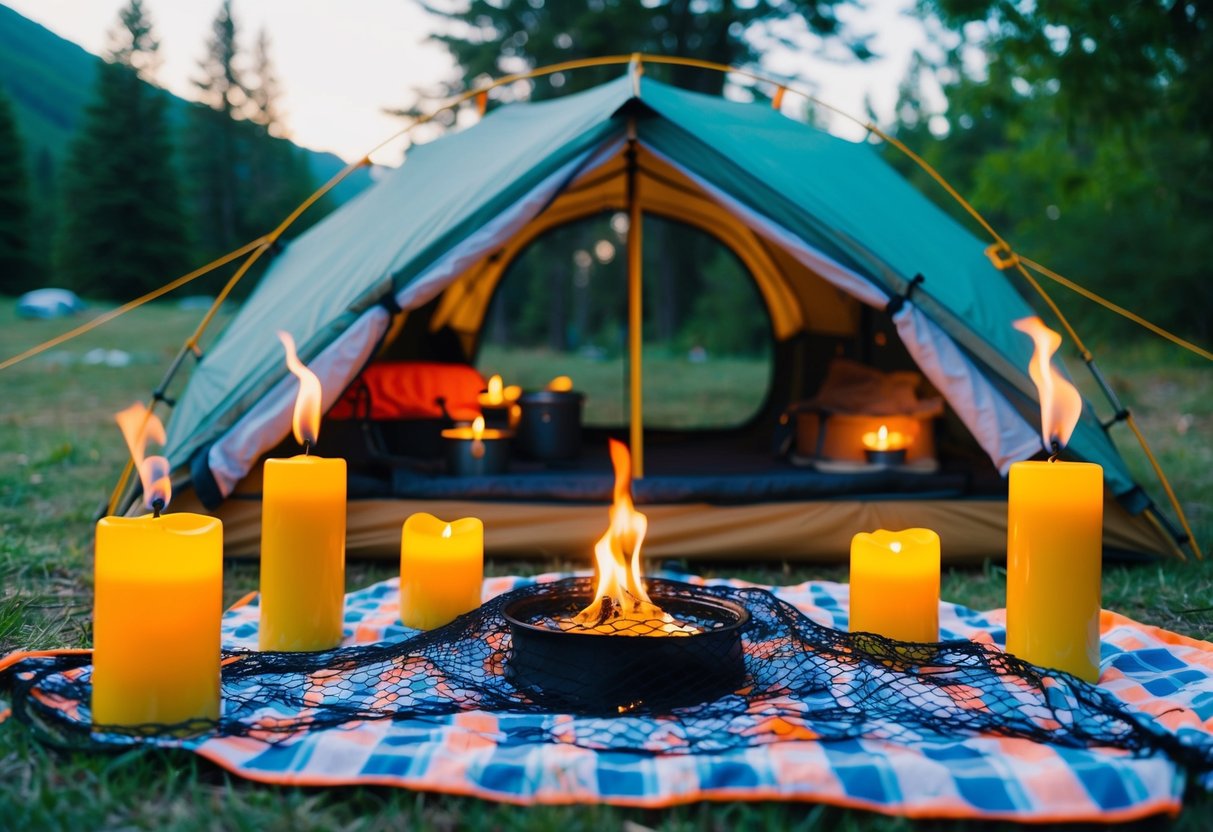
Getting ready to enjoy your camping trip without being bothered by bugs? Let’s dive into some specific strategies, like picking the best campsite and setting up zones free from insects. These tips will help keep you comfortable and pest-free.
Choosing the Right Campsite
Your choice of campsite is crucial when camping. Steer clear of areas with standing water, like ponds or marshes, since mosquitoes thrive there. They love to breed where water collects. Instead, pick spots on higher ground where wind can help keep insects at bay.
Look for sites with natural barriers. Trees and bushes can act as windbreaks and natural screens, blocking bugs from reaching you. If possible, choose a location with firm, dry ground. This reduces the chance of setting up camp in a bug hotspot.
Use tents with fine mesh screens. These help prevent bugs from sneaking in, keeping your sleeping area secure and bite-free. By combining these strategies, you’re setting up for a much more enjoyable camping trip away from pesky insects.
Setting Up Insect-Free Camp Zones
Now that you’ve picked the perfect spot, it’s time to set up a bug-free camp. Use screen rooms or netting to create an area protected from insects. This can be a designated spot for eating or relaxing without the worry of bites.
Make sure to seal all food in airtight containers. This helps stop bugs from getting attracted to lingering smells. Keeping things clean is key, too. Clean up scraps and spills right away to cut down on unwanted insect attention.
Consider using battery-powered bug-repelling diffusers. These devices release essential oils that deter bugs, creating a barrier around your camp. With these steps, you can enjoy more of your outdoor adventure and less of the pesky pests.
Frequently Asked Questions
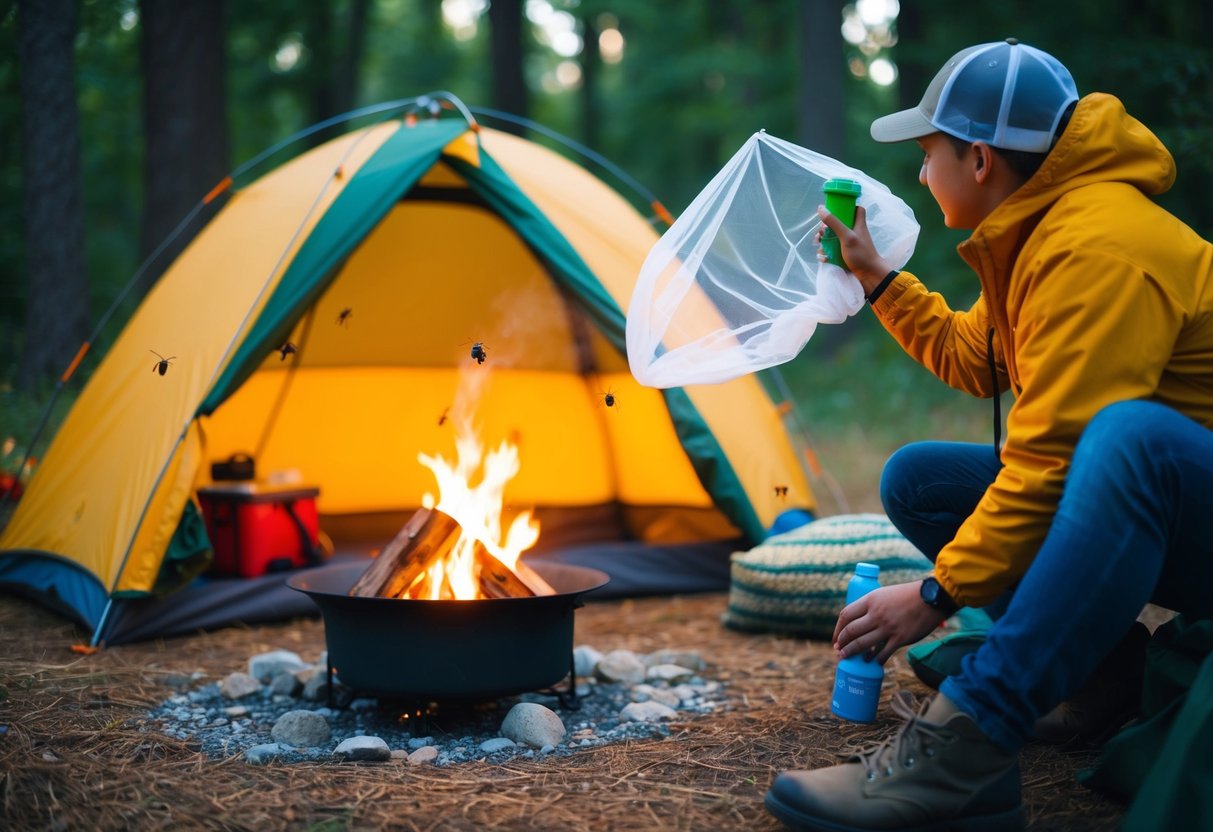
Keeping bugs away while camping can make your outdoor trip much more enjoyable. From natural methods and ensuring your tent stays bug-free to choosing the right repellents and DIY solutions, there are plenty of ways to keep pesky insects at bay. Here are some common queries campers have.
What natural methods are effective for repelling bugs during a camping trip?
Natural bug repellents like citronella, eucalyptus oil, and lavender can work wonders. Burning citronella candles around your campsite creates an unwelcome environment for mosquitoes. Plant-based essential oils can also help, providing a pleasant aroma while keeping insects away.
How can I keep my tent bug-free while enjoying the great outdoors?
To keep bugs out of your tent, zip it securely whenever you’re outside. Use a mosquito net over your tent opening when relaxing. Inspect your tent for any small holes, and patch them with repair kits. Ensure your camp setup avoids areas with still water, which attracts bugs.
Can you recommend some top bug repellents that outdoor enthusiasts swear by?
Insect repellents containing DEET are popular choices for their effectiveness. For those who prefer alternatives, picaridin-based repellents offer a less greasy feel. Clothing treated with permethrin provides additional protection. Always apply repellent to exposed skin and clothing for the best results.
Are there any DIY bug repellent recipes that are easy to make for camp use?
Absolutely! Mix witch hazel or alcohol with essential oils like eucalyptus, tea tree, or citronella to create a DIY bug spray. Combine water with peppermint oil in a spray bottle for a quick repellent for gear or clothing. These simple recipes are both effective and budget-friendly.
What are the best practices for bug-proofing a campsite?
Set your campsite in areas with good airflow and away from stagnant waters. Keep food stored in sealed containers to avoid attracting flies and ants. Consider setting up a bug trap using light as an attractant placed away from your sleeping area for added protection.
Which smells or substances can help deter bugs in a wilderness setting?
Bugs dislike certain scents like mint, basil, and lemon balm. Place a few drops of these essential oils on clothing. You can also use scented lotion to mask natural odors that attract insects. Campfires also provide some deterrence, as smoke can drive bugs away from your perimeter.

Growing up in the Pacific Northwest, we’ve always felt at home in the outdoors. We created Evergreen Adventures PNW to share our love of hiking, camping, and exploring, and to help others discover the best adventures this region has to offer. Along with trip guides and tips, we also enjoy diving into the science behind the landscapes—thanks to a background in Environmental Science—because understanding nature makes every adventure even more meaningful.